
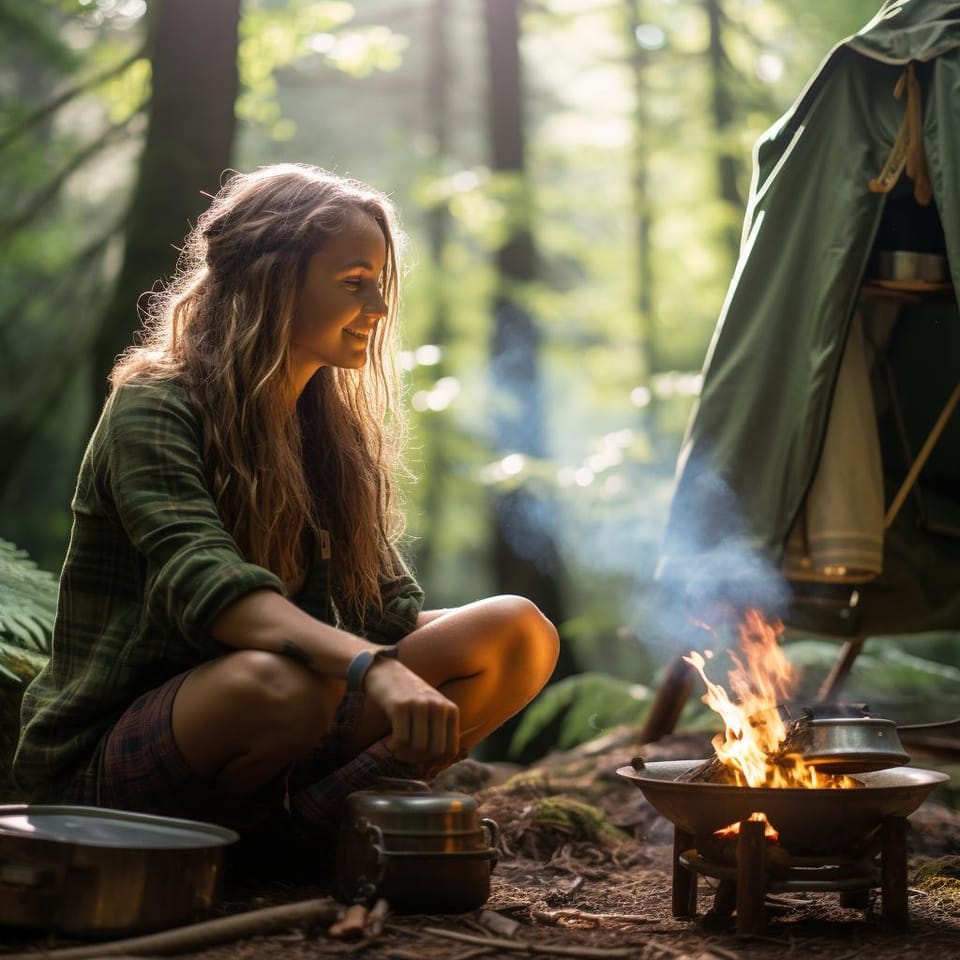

🍃Starting Your Green Adventure: Sustainable Cooking in the Great Outdoors
Ever pondered the footprints you leave behind on your outdoor adventures? Not just the literal ones on the trail, but the environmental ones too? As we embrace the wild, it's crucial to remember our role as stewards of nature, and this extends right into our camp kitchens. Sustainable cooking practices are not just a trend, they're a responsibility - and choosing the right backpacking stove can make a significant difference.
Whether you're a seasoned hiker, a weekend warrior, or a newbie to the camping scene, the shift towards eco-friendly camping gear is a step in the right direction. From ultralight backpacking cookware to the best outdoor cooking stoves, we've got your green adventure covered. So, ready to turn a new leaf in your outdoor cooking journey? Let's dive into the world of sustainable cooking gear!

🔥The Hidden Cost: How Traditional Camping Stoves Affect Our Planet
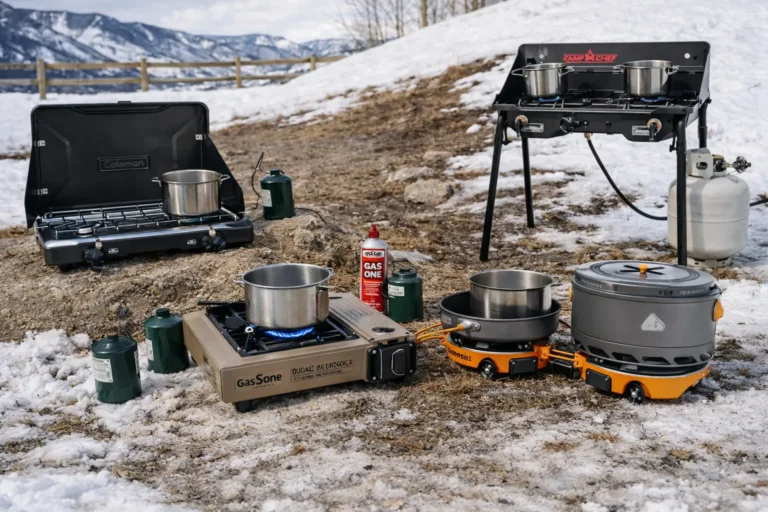
Every time we spark up a traditional camping stove, we're contributing to a larger issue. These conventional stoves are often powered by non-renewable fuels such as propane or butane, which release harmful pollutants into the atmosphere. The carbon footprint of a single camping trip can be surprisingly high, not to mention the potential impact of fuel canister waste.
Imagine a mountain trail littered with discarded fuel canisters, or a forest under a haze of cooking smoke. Not quite the idyllic outdoor adventure we all dream of, is it? But there's a solution to this, and it starts with making informed choices about our outdoor cooking gear.
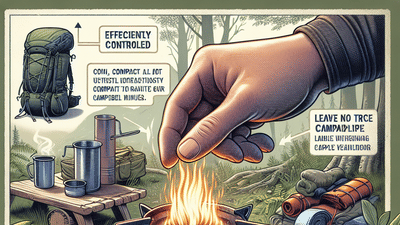
We've all heard the saying, "Leave no trace," but have we ever considered how this applies to our cooking practices? In our backpacking stove reviews, we delve into the best outdoor cooking stoves that are both efficient and kind to Mother Nature. It's time to rethink how we fuel our outdoor adventures.
Pollution Levels of Different Types of Backpacking Stoves
🌍Good for You, Better for Earth: The Perks of Using Eco-Friendly Backpacking Stoves
Imagine sipping a hot cup of coffee on a chilly morning, surrounded by the serenity of nature, knowing that your actions are not harming the environment. This is the reality with eco-friendly backpacking stoves, a choice that's as good for you as it is for the planet. These sustainable cooking gear pieces are not only efficient but also help reduce your carbon footprint, making your outdoor adventures more environmentally friendly.
But how do these stoves contribute to your health? Well, unlike conventional stoves that emit harmful fumes, eco-friendly stoves offer a healthier cooking environment. This means you can enjoy your favorite camping recipes without worrying about inhaling toxic gases.
From the lightweight titanium stoves to the collapsible wood-burning options, eco-friendly stoves are revolutionizing the outdoor cooking scene. So, are you ready to join the sustainable cooking revolution?
The Benefits of Eco-Friendly Backpacking Stoves
- Reduced Carbon Footprint: By using eco-friendly stoves, you significantly reduce your carbon emissions, contributing to a healthier planet.
- Less Pollution: Traditional camping stoves often emit harmful pollutants. In contrast, eco-friendly stoves produce minimal pollution, ensuring cleaner air during your outdoor adventures.
- Non-dependence on Non-renewable Fuel: Eco-friendly stoves often rely on renewable resources like wood or solar power, reducing your dependence on non-renewable fuels such as propane.
🔆Your Choices Matter: Exploring the Variety of Sustainable Camping Stoves
Now, let's delve into the heart of the matter - the eco-friendly backpacking stoves. The sun, our most abundant energy source, powers the solar-powered stoves. They are silent, smokeless, and perfect for sunny weather trips. But what about when the sun goes down? Fret not, for the wood-burning stoves have you covered. They utilize twigs and leaves as fuel, ensuring you're never out of cooking options while also reducing waste in the wilderness. Crafting your own wood-burning stove can be an exciting DIY project too!
Lastly, we have the alcohol stoves, the featherweights of backpacking cookware. They are compact, ultralight, and operate on denatured alcohol, a renewable resource. Ideal for the minimalist backpacker, they are a testament to the fact that ultralight doesn't mean underprepared. So, which of these sustainable warriors aligns with your outdoor adventure cooking essentials?
Top Eco-Friendly Stoves for Sustainable Outdoor Cooking
Now that we've looked at some eco-friendly stove options, let's take a closer look at one of them in action. The following video provides a detailed review of the Biolite Campstove 2+, a popular wood-burning backpacking stove.
That video should have given you a good idea of what to expect from an eco-friendly backpacking stove. Now, let's move on to some tips for using your stove efficiently.
👍Maximize Your Green Stove: Tips for Efficient and Effective Use
Getting the most out of your eco-friendly backpacking stove is a blend of art and science. The first step? Understanding your stove. Whether you're using a solar-powered, wood-burning, or alcohol stove, each has its own quirks and nuances. Familiarize yourself with your chosen stove by reading backpacking stove reviews and practicing before your outdoor adventure.
Next, ensure you're using the best outdoor cooking stoves for your needs. Are you a fan of quick, easy meals, or do you enjoy a gourmet feast under the stars? Your culinary style will influence your stove choice and usage. Don't forget to check out our guide on choosing the best stoves for more insights.
Last but not least, maintenance is key. A well-kept stove lasts longer and performs better, contributing to a more sustainable cooking experience. Clean your stove after each use, and store it properly to prolong its lifespan. Interested in DIY stove ideas? Check out our creative ways to cook on the trail for some inspiration!
Now that we've discussed the benefits and types of eco-friendly stoves, let's dive into a practical guide on how to use and maintain a wood-burning stove efficiently.
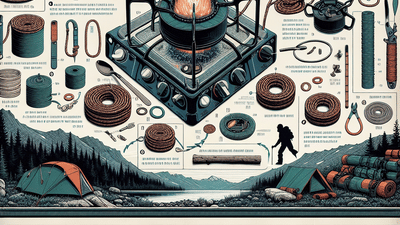
Mastering Your Wood-Burning Stove: A Step-by-Step Guide

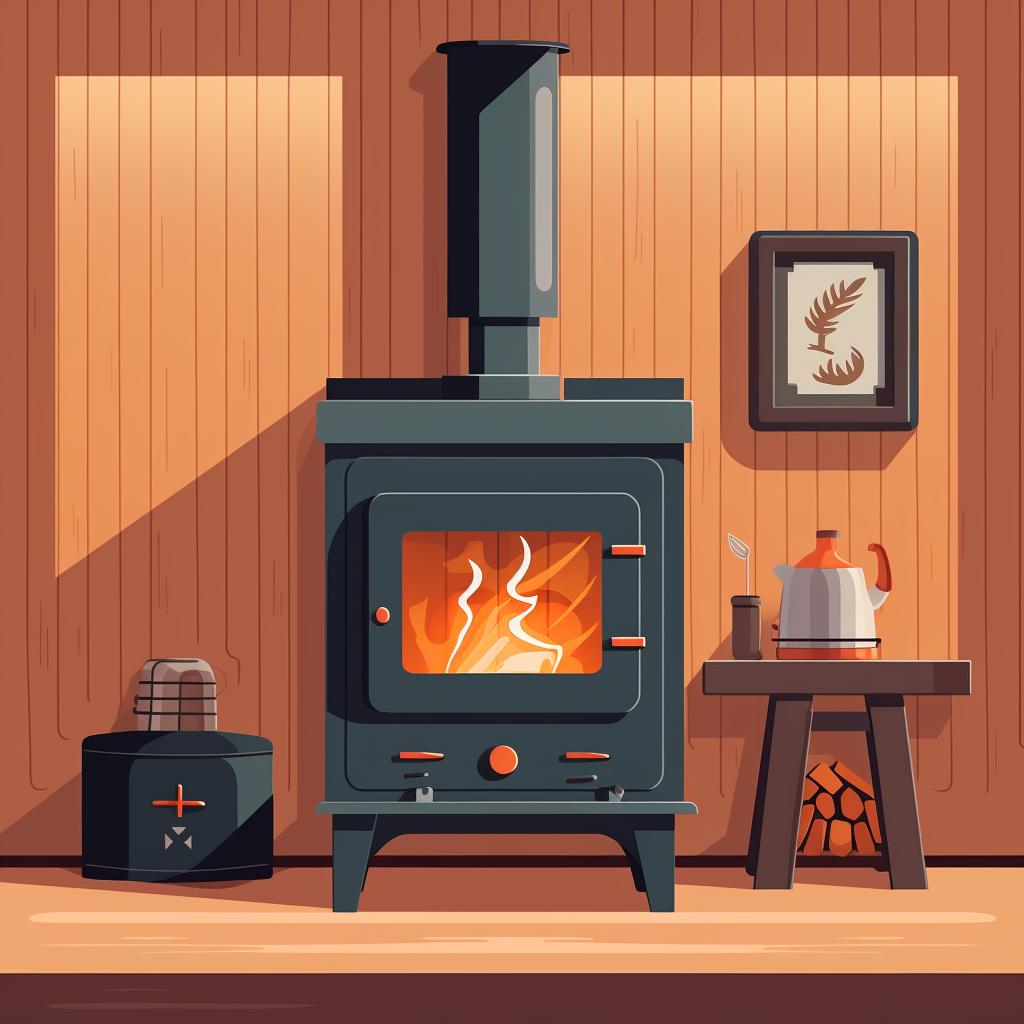
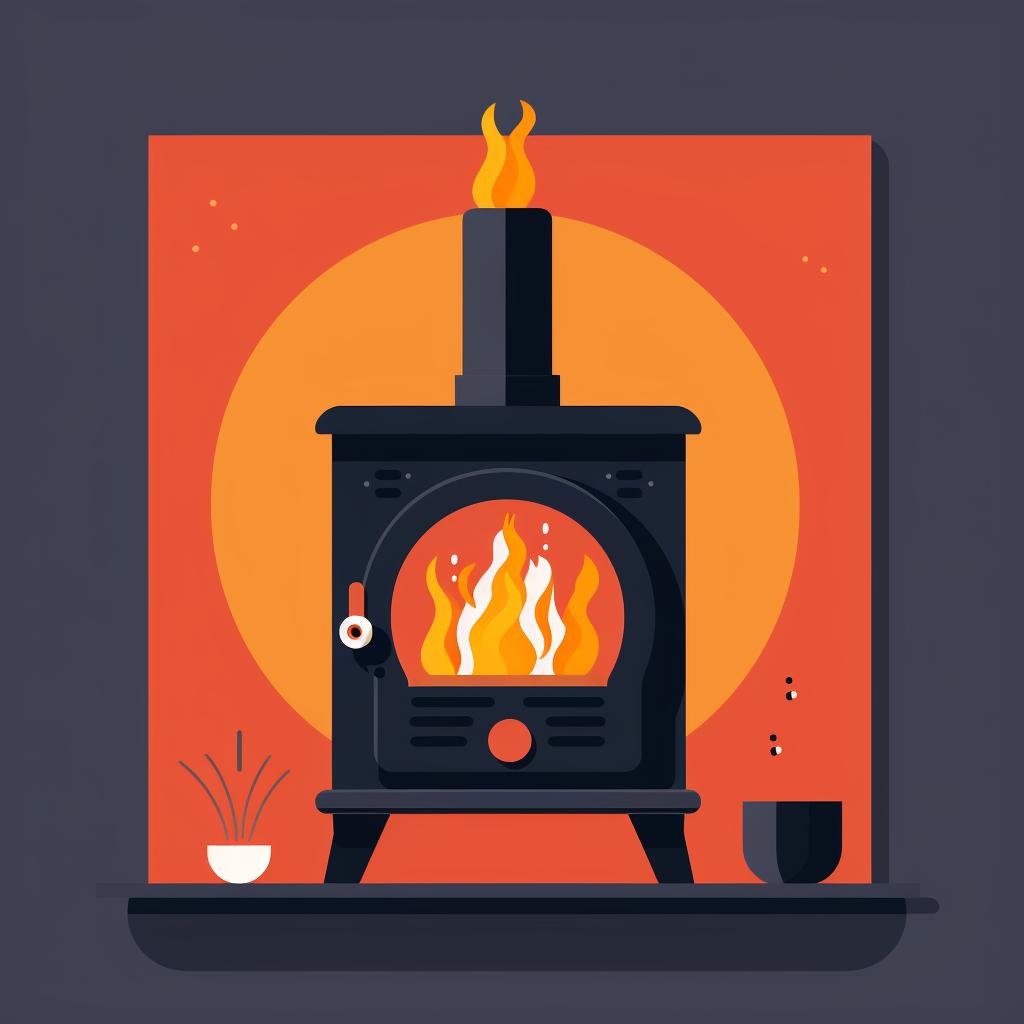

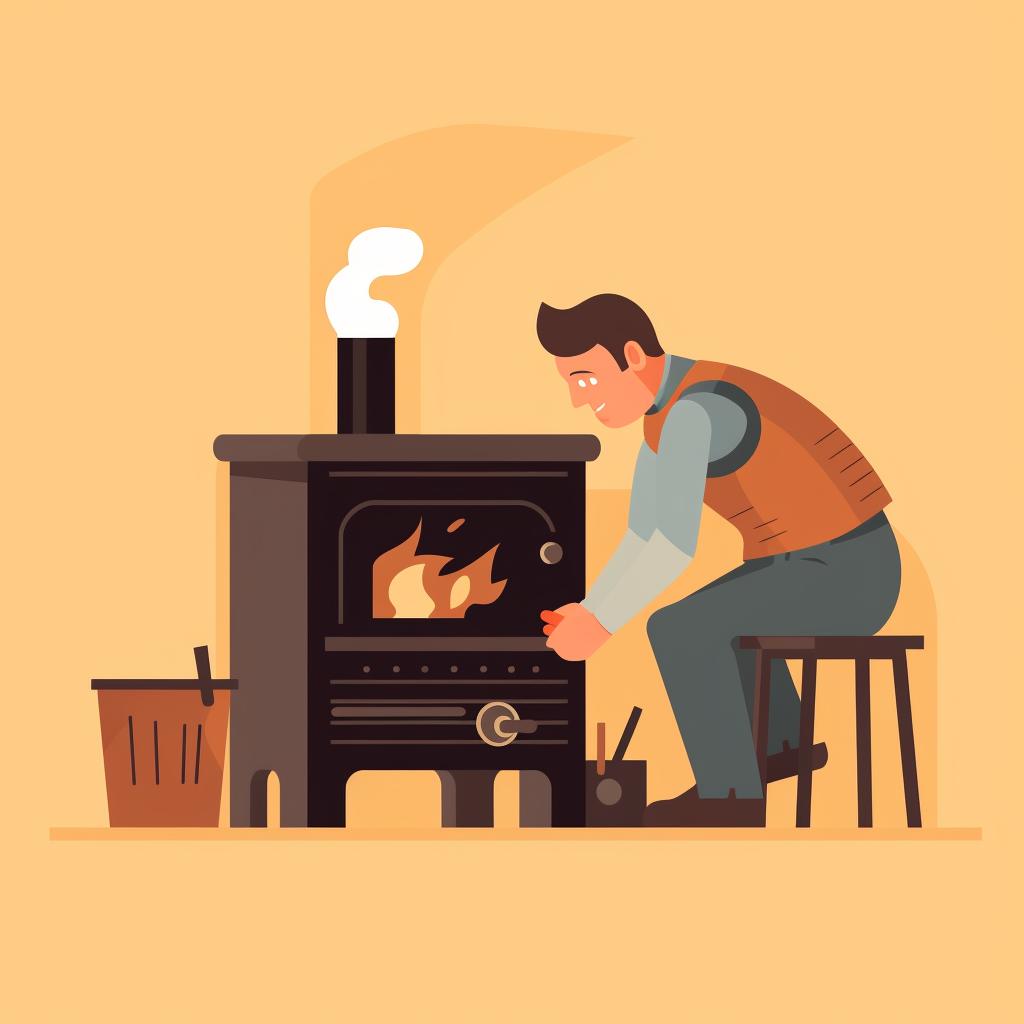
Learn more about 🔥 Mastering Your Wood-Burning Stove: A Step-by-Step Guide or discover other Chef Camper guides.
By following these steps, you'll be able to efficiently use and maintain your wood-burning stove. Now, let's look at how you can transition to a more sustainable outdoor cooking lifestyle.
🔄Embrace the Change: Shifting Towards a Sustainable Outdoor Cooking Lifestyle
Transitioning to sustainable cooking gear is more than a trend; it's a lifestyle change that starts with choosing the right eco-friendly backpacking stove. But how do you make the switch without compromising your outdoor culinary prowess? It's simpler than you think.
Begin by exploring affordable options for eco-friendly stoves. Our backpacking stove reviews will guide you to the best outdoor cooking stoves that align with your budget and environmental values. Next, consider your cooking gear. Opt for ultralight backpacking cookware made of sustainable materials like titanium.
Finally, blend in other green practices. Use biodegradable soaps for dishwashing, pack out your trash, and leave no trace. Remember, every small step towards sustainability counts. Ready to cook up a storm while preserving Mother Nature? Check out our backpacking recipes for some eco-friendly culinary inspiration.
Eco-Friendly Camping Stoves Quiz
Test your knowledge on sustainable cooking and eco-friendly camping stoves.
Learn more about 🌱 Take the Eco-Friendly Camping Stoves Quiz 🌱 or discover other Chef Camper quizzes.
🌳Your Next Step: Championing Sustainability in Every Camping Trip
As we wrap up this culinary journey through the wilderness, let's once again ignite the flame of awareness about our environment. It's time to step up as the true guardians of nature we campers claim to be, and it all begins with a simple choice - our stoves. Will we stick to the old ways, or will we pioneer a sustainable path forward?
Remember, every campfire tells a story, and by choosing eco-friendly backpacking stoves, we can ensure ours is one of respect for Mother Earth. Let's gear up for our next outdoor adventure with sustainable cooking gear, creating memories and hearty meals without leaving a carbon footprint.
Tomorrow, when the sun rises, will you be ready to redefine your camping narrative, one eco-friendly stove at a time? Because, dear campers, the future of outdoor adventure cooking is not just about eating under the stars – it’s about preserving them too.
Would you consider switching to an eco-friendly stove for your next camping trip?
After learning about the environmental impact of traditional camping stoves and the benefits of eco-friendly alternatives, we're curious about your thoughts. Would you make the switch?

No comments yet. Be the first to share your thoughts!