

Ultralight Stove Landscape: 2026 Trends
The world of ultralight backpacking stoves is in constant motion. We’re seeing a continued drive toward minimizing weight, with manufacturers pushing the boundaries of material science and design. Titanium remains the gold standard for its strength-to-weight ratio, but advanced aluminum alloys are becoming increasingly common, offering a good balance of performance and cost. The demand for truly minimalist setups, particularly within the bikepacking community, is influencing designs – stoves are getting smaller and more integrated with other gear.
Fuel options are diversifying too. While canister stoves still dominate, alcohol stoves are experiencing a resurgence in popularity due to their simplicity and global fuel availability. Liquid fuel stoves haven’t disappeared, though; they hold a crucial niche for those venturing into extreme conditions. This isn’t simply about lighter weight, it's about finding the right balance between weight, cost, reliability, and how well a stove performs in the conditions you expect to encounter.
There's a clear trend towards stoves that are more versatile. Many models now offer better simmer control, which is important for more elaborate meals. Wind resistance is also a major focus, as even a slight breeze can significantly impact boil times and fuel efficiency. Bikepacking, with its emphasis on pack volume and weight, is also pushing manufacturers to create stoves that pack down incredibly small or even integrate directly into cookware systems.
The trade-offs are real. Shaving ounces often comes at a price, either financially or in terms of performance. A super-light canister stove might struggle in cold weather, while an alcohol stove might take longer to boil water. Understanding these trade-offs is key to choosing the best stove for your specific needs. It’s a really exciting time for backpacking stoves, with innovation happening at a rapid pace.
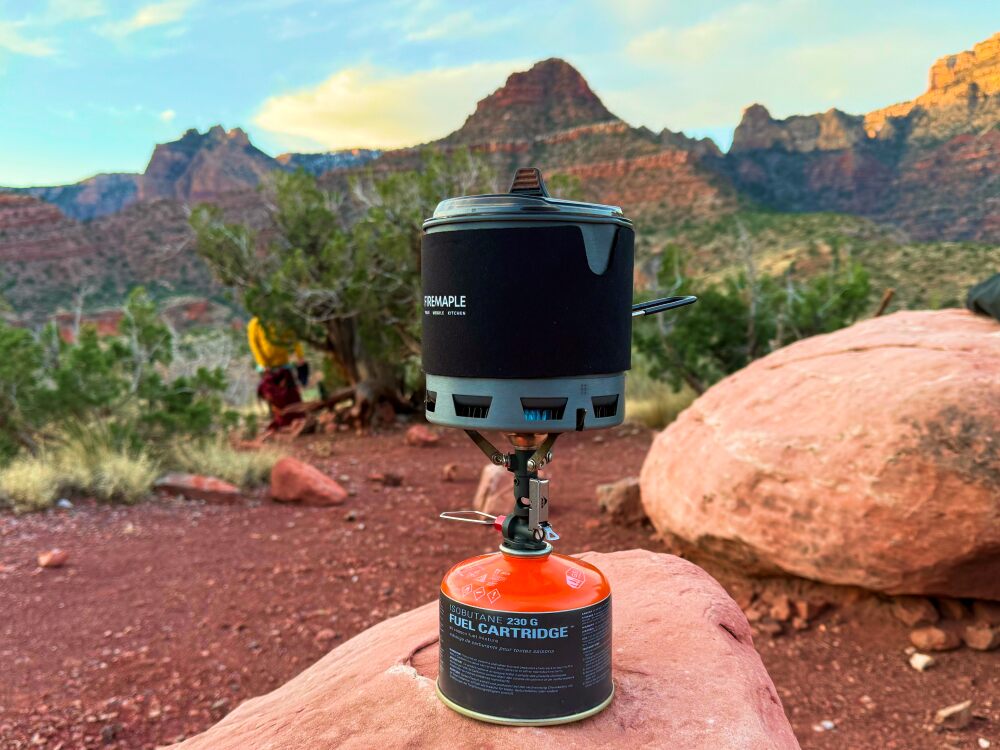
Canister Stoves: The Convenience Factor
Canister stoves are popular because they are easy to use and set up, appealing to both beginners and experienced backpackers. Simply screwing on a fuel canister and lighting the stove is very convenient. Isobutane-propane blends are the most common fuel, offering good performance and cold-weather capability, though performance can drop significantly in freezing temperatures.
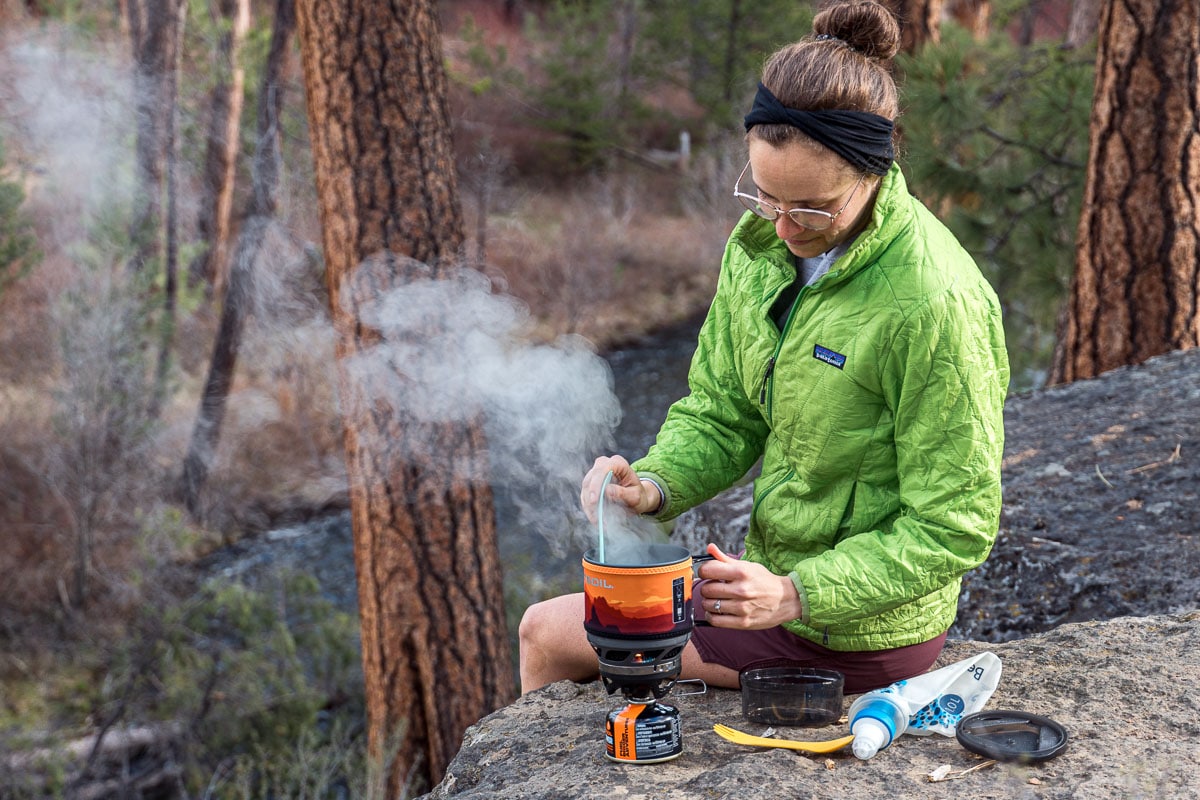
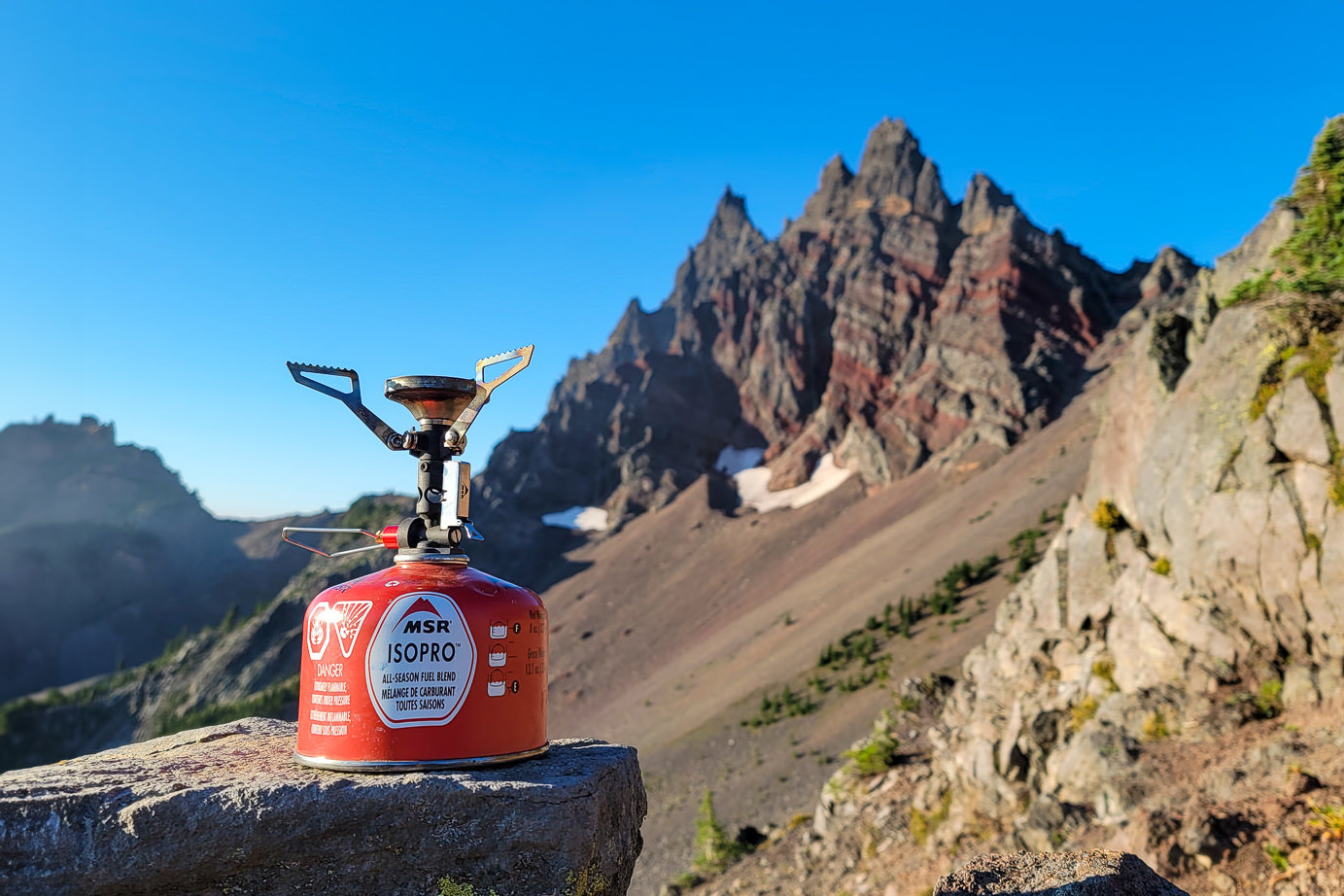
Canister stoves are lightweight, compact, and offer excellent flame control. Models like the MSR PocketRocket 3 (around 3 ounces) and the Jetboil Flash (around 12 ounces, including the cooking cup) are consistently rated for performance and portability. Simmer control is generally good, allowing for a wider variety of meals. However, fuel availability can be an issue in remote locations, and the environmental impact of discarded canisters is a growing concern.
Wind resistance is a weakness for many canister stoves. Even a moderate breeze can reduce efficiency and increase boil times. A windscreen is essential for maximizing performance in windy conditions. Some stoves, like certain Jetboil models, integrate a windscreen. Fuel canisters can freeze in very cold conditions, requiring warming with body heat.
The cost of canisters adds up, and their environmental impact is a consideration. While recycling programs are increasing, many canisters end up in landfills. Pack out your empty canisters and dispose of them responsibly. Choosing a fuel-efficient stove can reduce your environmental footprint and save money.
Alcohol Stoves: Simplicity and Fuel Access
Alcohol stoves offer a different approach to backpacking cooking, excelling in simplicity and reliability. With few moving parts, they are less prone to failure than more complex stoves. Their main advantage is fuel access, as denatured alcohol is available worldwide, making them suitable for international travel or remote expeditions.
Designs vary, from simple side-burners to more efficient caldera stoves. The Trangia spirit burner is a classic example, known for durability and ease of use. Alcohol stoves are generally affordable, and the fuel is inexpensive. However, boil times are typically slower than with canister or liquid fuel stoves, and simmer control is limited.
The simplicity means less control. Adjusting the flame precisely is harder, making delicate meals more challenging. Fuel efficiency isn’t great, requiring more fuel for longer trips. Alcohol is flammable and requires careful handling; never refuel a hot stove or one near an open flame.
Alcohol stoves remain a popular choice for ultralight backpackers prioritizing simplicity and fuel availability. They are a good option for shorter trips where boil time isn't critical, or when other fuel sources are unavailable. Proper ventilation is key when using an alcohol stove, as they produce carbon monoxide.
Liquid Fuel Stoves: High Altitude & Cold
Liquid fuel stoves offer reliability in challenging conditions. White gas (naphtha) is the most common fuel, but some stoves also burn kerosene or unleaded gasoline. They perform well at high altitudes and in cold weather, where canister stoves struggle with pressure. Liquid fuel stoves create their own pressure through pumping, unlike pressurized canister stoves.
Liquid fuel stoves offer consistent performance in all conditions, can burn multiple fuel types, and have a longer lifespan. Brands like Primus and MSR offer models from lightweight options like the MSR WhisperLite International (around 11 ounces) to more robust stoves for extended expeditions. However, they are heavier and more complex to operate than canister or alcohol stoves, requiring regular maintenance to prevent clogging and ensure optimal performance.
Regular maintenance is critical. Clean the jet to remove sediment and prevent blockages. Store fuel in an approved container away from heat and flames. Fuel spills are a hazard, so be careful when filling and operating the stove. Prime the stove properly by preheating the fuel line before lighting.
The initial investment is higher, but a liquid fuel stove can be worthwhile for backpackers who frequently venture into demanding environments. Their reliability and consistent performance are invaluable when miles from civilization and dependent on a hot meal. This system demands respect and care, but rewards you with dependable performance.
Top 7 Ultralight Stoves of 2026
Choosing the 'best' stove depends on your priorities. Here are seven excellent ultralight options, covering a range of price points and performance characteristics. This list draws from testing data from CleverHiker and user feedback, including the innovative FeatherLight 700.
1. FeatherLight 700 (Titanium): Weighing just 32 grams, this stove is incredibly light. It’s a simple design, but it’s surprisingly effective. Boil time is slower than canister stoves, but it’s a great option for minimalists. (Approx. $50). 2. MSR PocketRocket 3: A consistently top-rated canister stove. It’s lightweight, compact, and provides excellent flame control. (Approx. $55, 3 ounces).
3. Jetboil Flash: An integrated system that includes a stove and cooking cup. It’s efficient and boils water quickly, but it’s heavier than some other options. (Approx. $150, 12 ounces). 4. Soto OD-1AZ: A compact and lightweight canister stove with a micro-regulator for consistent performance in cold weather. (Approx. $70, 2.8 ounces).
5. Trangia Spirit Burner: A classic alcohol stove known for its durability and simplicity. It’s affordable and reliable, but boil times are slow. (Approx. $30, 3.5 ounces). 6. Primus OmniFuel: A versatile liquid fuel stove that can burn white gas, kerosene, and unleaded gasoline. It’s heavier, but offers excellent performance in all conditions. (Approx. $180, 11.5 ounces).
7. BRS-3000T: An unbelievably lightweight titanium canister stove. It’s incredibly affordable, but build quality can be variable. (Approx. $20, 1.1 ounces). It's worth noting that the BRS-3000T's micro-regulator isn't as reliable as more expensive stoves.
These stoves represent a range of options, from the ultra-minimalist FeatherLight 700 to the versatile Primus OmniFuel. Each has its strengths and weaknesses, so it’s important to consider your specific needs and priorities when making your choice. CleverHiker's 2026 testing consistently highlights the PocketRocket 3 for its overall balance of weight, performance, and price.
Featured Products
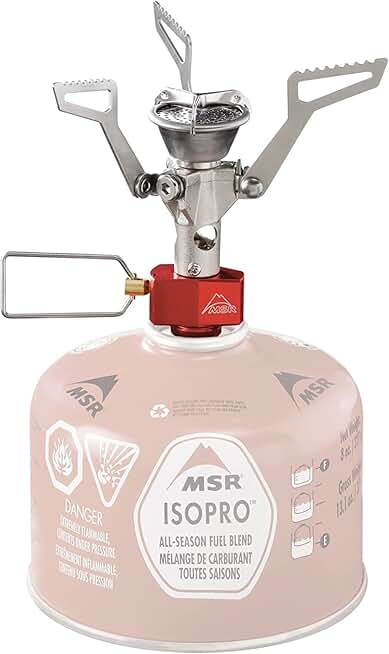
Weighs just 2.6 oz (73g) · Boils 1 liter of water in 3.5 minutes · Compact design folds small for easy packing
A reliable and efficient choice for backpackers prioritizing a balance of weight and performance.

Extremely lightweight at only 25 grams · Made from durable titanium alloy · Compact and portable for minimal pack space
The go-to option for ultralight enthusiasts where every gram counts, offering basic functionality at an unbeatable weight.

Complete system weighs 7.1 oz (202g) · Designed for fast boil times and fuel efficiency · All components nest together for compact storage
This integrated system offers exceptional performance and efficiency in a lightweight package, ideal for those who value speed and convenience.

Versatile multi-fuel capability (wood, alcohol) · Constructed from durable titanium · Collapsible design for easy transport
Provides a fuel-flexible and lightweight cooking solution for adventurers who may encounter varied fuel availability.

Weighs only 1.7 oz (48g) · Durable titanium construction · Foldable legs and precision jet burner for stability and efficiency
A highly efficient and durable ultralight stove that offers excellent performance for its minimal weight and affordable price.
As an Amazon Associate I earn from qualifying purchases. Prices may vary.
Weight vs. Performance: Finding Your Balance
undefined altitude, a more robust liquid fuel stove like the Primus OmniFuel might be a better choice.
Consider your trip length. Longer trips require more fuel, so fuel efficiency becomes a more important factor. If you’re planning a trip to a remote area where fuel availability is limited, you’ll need a stove that can burn a variety of fuel types. Also think about the expected weather conditions. Canister stoves struggle in cold weather, while alcohol stoves take longer to boil water.
There are diminishing returns to weight savings. Going from a 3-ounce stove to a 2-ounce stove might save you an ounce, but it might also cost you significantly in terms of performance or durability. It’s important to find a balance that works for you. Don’t sacrifice functionality for the sake of saving a few ounces.
Accessories can add weight, but they can also improve performance. A wind screen is essential for maximizing the efficiency of canister and alcohol stoves. A pot support can make it easier to use a variety of cookware with an alcohol stove. Carefully consider which accessories you really need and which ones you can leave behind. Spending a bit more on a higher quality stove can often pay off in the long run, both in terms of performance and durability.
Ultralight Backpacking Stove Suitability Guide - 2026
| Trip Length | Altitude | Weather | Simmer Control Need | Budget | Overall Score |
|---|---|---|---|---|---|
| Canister | Low | Low | Low | Medium | 2/5 |
| Alcohol | Medium | Medium | Medium | Low | 3/5 |
| Liquid Fuel | High | High | High | High | 4/5 |
Illustrative comparison based on the article research brief. Verify current pricing, limits, and product details in the official docs before relying on it.
Stove Maintenance & Longevity
Proper stove maintenance is essential for extending its lifespan and ensuring reliable performance. Canister stoves require minimal maintenance, but it’s important to keep the burner clean and free of debris. Liquid fuel stoves require more attention. Regularly clean the jet to prevent clogging, and store fuel properly to prevent contamination.
For alcohol stoves, ensure the burner is clean and free of residue. Check for leaks and cracks in the stove body. Always store alcohol in a tightly sealed container. With any stove, proper storage is crucial. Store your stove in a dry, protected place to prevent corrosion and damage. A dedicated storage bag can help keep everything organized.
Replacement parts are often available for many stoves, extending their usable life. MSR and Primus, for example, offer a wide range of replacement parts for their stoves. Knowing where to find these parts can save you from having to replace your entire stove. Repair services are also available, although they can be expensive.
Taking care of your stove isn’t just about saving money; it’s also about reducing waste. A well-maintained stove will last longer, reducing the need to replace it. This is a more sustainable approach to backpacking, and it’s better for the environment. A little preventative maintenance can go a long way.
No comments yet. Be the first to share your thoughts!