

The Weight Game: Why Titanium and Carbon Fiber Dominate Ultralight Cookware
Backpacking is about freedom, and a heavy pack steals that freedom quickly. Every ounce matters when you’re facing miles of trail, and that’s especially true when it comes to your kitchen setup. Traditional cookware materials like stainless steel and aluminum are simply too bulky and heavy for serious ultralight backpacking. They add significant weight without offering the benefits needed for extended trips.
For years, backpackers have sought lighter alternatives, and the search has largely landed on two materials: titanium and carbon fiber. These materials aren’t just about shaving ounces; they represent a fundamental shift in how we approach backcountry cooking. The goal is to minimize weight without sacrificing functionality or durability, a tricky balance to achieve.
Titanium has been the established leader for a while, celebrated for its impressive strength-to-weight ratio. Carbon fiber is the relative newcomer, promising even greater weight savings and surprisingly good cooking performance. But it’s not a simple win for either material. There are trade-offs, and understanding them is crucial for making the right choice for your adventures. This isn’t about having the lightest kit for bragging rights, it's about preserving your energy and maximizing your enjoyment on the trail.
The increasing popularity of ultralight backpacking has driven innovation in cookware materials. CleverHiker’s 2026 guide highlights this trend, noting a surge in demand for both titanium and carbon fiber options as backpackers prioritize weight reduction (CleverHiker, 2026).
Titanium Cookware: The Proven Performer
Titanium cookware has earned a reputation as the gold standard for ultralight backpacking. It’s incredibly strong for its weight – significantly stronger than aluminum – and completely corrosion resistant. This means it won’t rust or leach metallic flavors into your food, a major plus for long-term use. It’s also biocompatible, so you don’t have to worry about any adverse reactions.
However, titanium isn’t perfect. Its biggest drawback is its relatively slow heat conduction. Compared to aluminum or carbon fiber, it takes longer to boil water or heat food. This isn’t a dealbreaker, but it does require a bit more patience and potentially more fuel. The cost is also a factor; titanium cookware is generally more expensive than its aluminum counterpart.
Different grades of titanium exist, impacting both performance and price. Commercially Pure (CP) titanium is the most common and affordable, offering a good balance of weight and strength. Titanium alloys, incorporating other metals like aluminum and vanadium, can offer increased strength but also come with a higher price tag. The thickness of the titanium also plays a role, with thinner walls saving weight but potentially sacrificing durability.
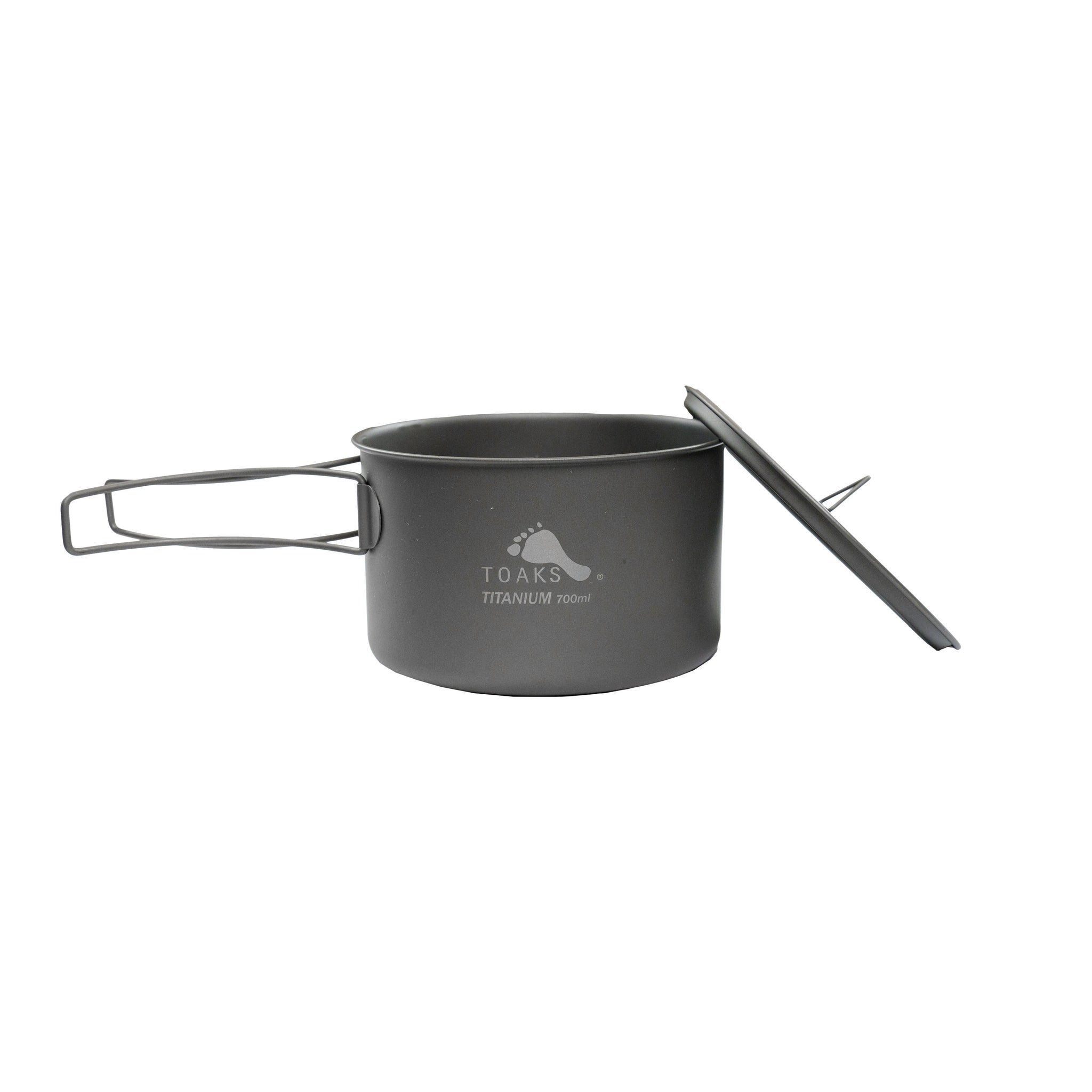
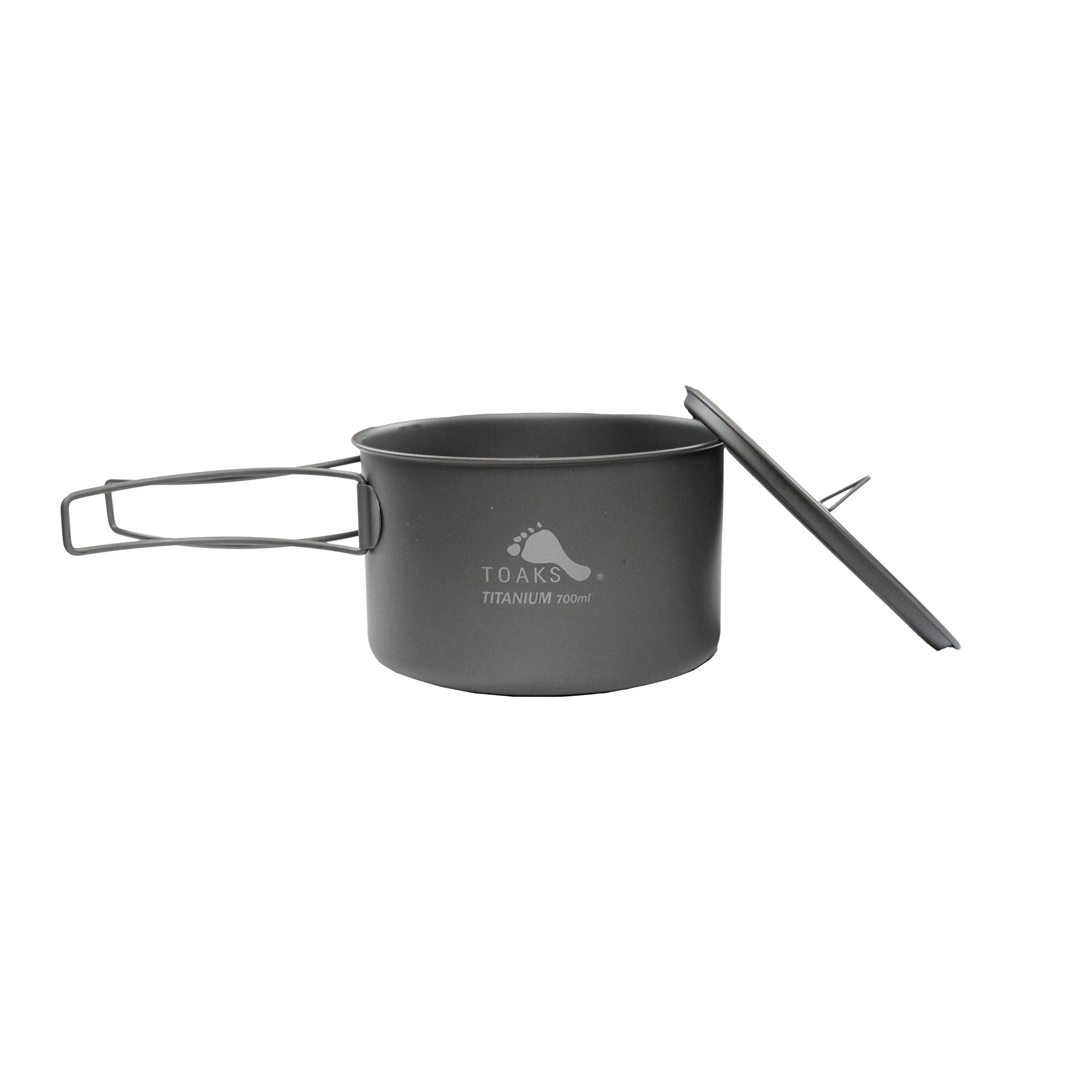
I’ve personally been using a Toaks Titanium 750ml pot for the past three years, and it’s become a staple in my kit. It’s survived countless trips, from weekend overnighters to week-long treks, without a scratch. The slow heat conduction is noticeable, but I’ve learned to adjust my cooking techniques accordingly. The peace of mind knowing it’s incredibly durable and won’t impact the flavor of my food is well worth the investment.
- Toaks Titanium 750ml Pot: A popular choice known for its durability and lightweight design.
- Snow Peak Titanium Cookset: A premium option with excellent craftsmanship and a sleek aesthetic.
- REI Co-op Flex Lite Mug: A lightweight titanium mug for enjoying your morning coffee or tea.
Top Ultralight Titanium Cookware for Backpackers
Ultralight titanium construction · 750ml capacity · Foldable bail handle for easy carrying and hanging
This pot is a fantastic choice for solo backpackers due to its excellent balance of capacity, weight, and durability.
Collapsible silicone body with a rigid aluminum base · 1.3L capacity · Lightweight and compact for easy packing
The innovative collapsible design makes this kettle incredibly space-efficient, ideal for backpackers who need to maximize pack volume.
Pure titanium construction · 1.3L volume · Includes a lid with a folding handle
This pot offers a generous capacity and robust titanium build, suitable for cooking more substantial meals for one or two people.
Made from high-quality titanium · 1.3L capacity · Deep profile suitable for boiling water and cooking
Evernew is known for its exceptional titanium craftsmanship, and this deep pot is a reliable and lightweight option for various backcountry cooking needs.
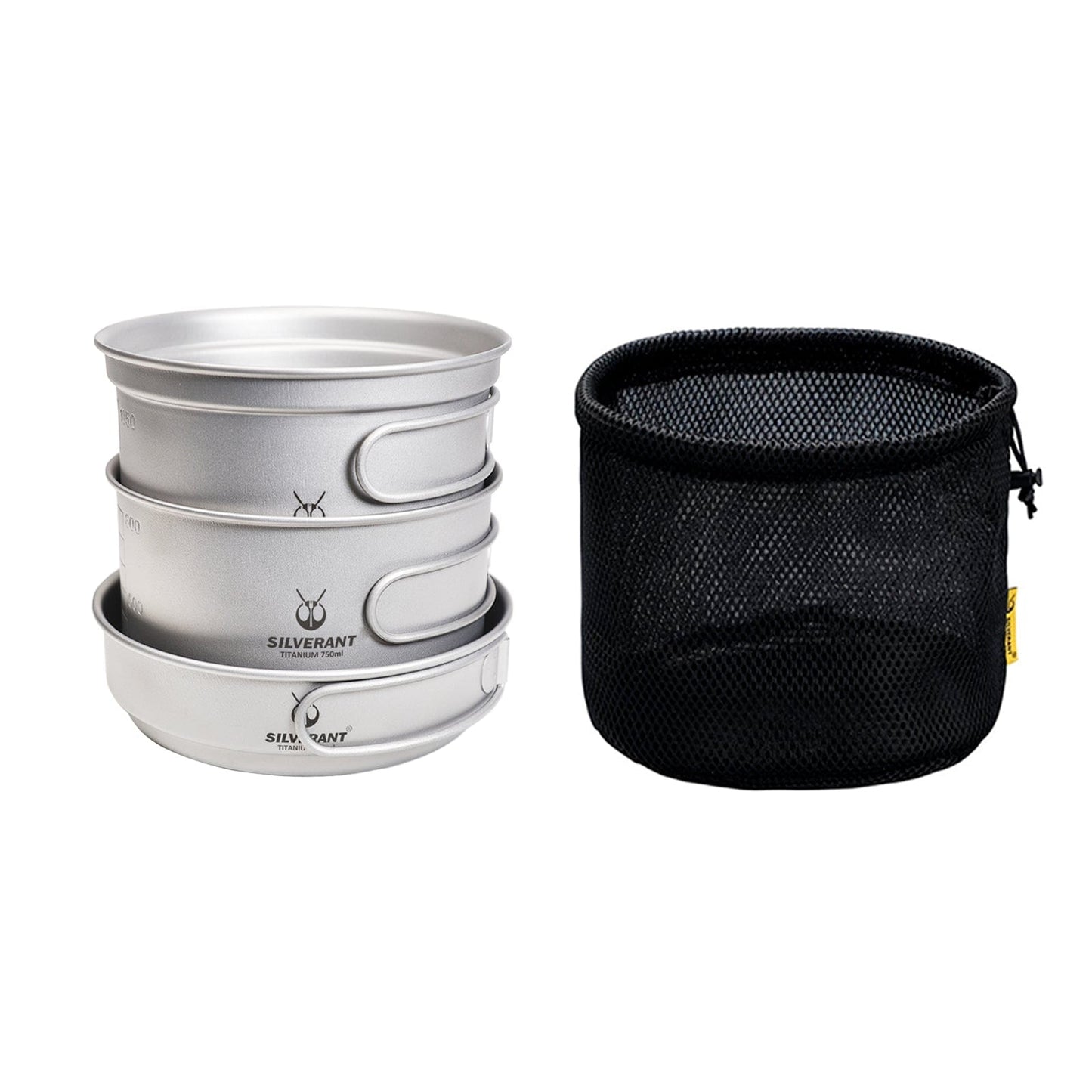
Integrated cook set including pot, mugs, and bowls · Nesting design for compact storage · Includes a pot gripper and lid
This all-in-one set is perfect for backpackers looking for a complete, lightweight cooking and dining solution for two people.
As an Amazon Associate I earn from qualifying purchases. Prices may vary.
Carbon Fiber Cookware: The New Kid on the Block
Carbon fiber cookware is a more recent innovation in the ultralight backpacking world. It achieves its incredibly low weight through a unique manufacturing process that involves layering carbon fibers and binding them with resin. The result is a material that’s exceptionally light and surprisingly strong.
One of the key advantages of carbon fiber is its excellent heat conduction. It heats up faster and more evenly than titanium, reducing cooking times and minimizing hot spots. This can be particularly beneficial when you’re trying to conserve fuel or cook quickly in challenging conditions. The even heating also leads to more consistent cooking results.
However, carbon fiber isn’t without its concerns. Its primary weakness is potential fragility. While strong in some directions, it can be prone to chipping or cracking under impact. This is especially true if the carbon fiber isn’t properly reinforced or protected. It’s also generally more expensive than titanium, and availability is currently more limited.
I'm not sure about the long-term durability of carbon fiber cookware yet. It’s a relatively new material in this application, and there’s limited data on how it holds up to years of repeated use and abuse. Initial reports are promising, but more extensive testing is needed to fully assess its longevity. Pie on the Trail notes that carbon fiber is still gaining traction among serious backpackers (Pie on the Trail, n.d.).
Durability Face-Off: How Do They Hold Up on the Trail?
When it comes to real-world toughness, titanium generally has the edge. It’s incredibly resistant to dents, scratches, and punctures. It can withstand a lot of abuse without showing significant wear and tear. Carbon fiber, while strong, is more susceptible to damage from impacts, especially concentrated impacts. A dropped pot or a scrape against a sharp rock could potentially cause a chip or crack.
Titanium’s strength allows for thinner walls without compromising durability, further contributing to its weight savings. Carbon fiber, to achieve comparable strength, often requires a more substantial construction, which can add weight. Repeated heating and cooling cycles can also affect both materials, but titanium is generally more forgiving in this regard.
Backpackers who’ve used both extensively report that titanium is more likely to survive a serious mishap. One hiker I spoke with accidentally kicked a titanium pot while scrambling over rocks, and it barely showed a dent. Another hiker cracked a carbon fiber pot after a minor fall. These are anecdotal examples, but they illustrate the different failure modes of each material.
Coatings can play a role in durability. Some titanium cookware features a ceramic coating to improve heat conduction and non-stick properties, but these coatings can be prone to scratching and chipping. Carbon fiber cookware often has a protective resin layer, but this layer can also be vulnerable to damage. A YouTube video from MyUltralightCookKit demonstrates the types of stress testing gear undergoes (MyUltralightCookKit, 2024).
Cooking Performance: Heat-Up Times and Food Quality
Carbon fiber consistently outperforms titanium in terms of heat-up times. Its superior thermal conductivity means water boils faster and food cooks more quickly. This can be a significant advantage when you’re trying to conserve fuel or prepare a meal in cold weather. Titanium, while still capable of cooking effectively, requires more time and energy.
Carbon fiber also excels at even heating, minimizing hot spots that can lead to burnt or unevenly cooked food. Titanium, with its slower heat conduction, is more prone to hot spots, requiring more careful attention to stirring and temperature control. The difference is subtle, but noticeable, especially when cooking delicate sauces or simmering foods.
The type of stove you use can also influence cooking performance. Gas stoves provide more consistent heat than alcohol or solid fuel stoves, which can help to mitigate the slower heat conduction of titanium. Different stove designs also affect heat distribution, so experimenting with different combinations is recommended.
In terms of food quality, I’ve noticed a subtle difference in flavor when cooking in titanium versus carbon fiber. Titanium doesn't impart any metallic taste, but some backpackers report that food cooked in carbon fiber has a slightly brighter, more vibrant flavor. This could be due to the faster, more even heating. It's a subjective observation, but worth considering.
Price Breakdown: What Will It Cost You?
Expect to pay a premium for ultralight cookware, regardless of the material. Titanium cookware typically ranges from $50 for a basic pot to $200 or more for a complete set including a lid, handle, and storage bag. Individual titanium sporks and mugs can cost between $20 and $50 each.
Carbon fiber cookware is generally more expensive. A basic carbon fiber pot can start around $80, and a complete set can easily exceed $250. Individual carbon fiber utensils are similarly priced, often costing more than their titanium counterparts. The higher cost reflects the more complex manufacturing process and the relative scarcity of the material.
As of late 2026, REI offers a titanium pot and lid set for $129.95, while Backcountry has a similar carbon fiber set listed for $199.95. Amazon offers a wider range of options, with prices varying depending on the brand and features. It's important to shop around and compare prices to find the best deal.
Don't forget to factor in the cost of accessories. A lid is essential for boiling water quickly, and a handle can make cooking and handling hot cookware much easier. A storage bag will protect your cookware from scratches and dings during transport.
Advanced Materials Stocks: Titanium & Carbon Fiber Producers
Stock performance for companies serving ultralight cookware and outdoor gear markets (December 2024)
| Asset | Current Price | 24h | 7d | 30d | Market Cap |
|---|---|---|---|---|---|
| Allegheny Technologies Inc ATI | $52.18 | +1.2% | +3.8% | +8.9% | $7.42B |
| Hexcel Corporation HXL | $68.45 | -0.7% | +2.1% | +5.3% | $5.78B |
| Toray Industries TORAY | $6.82 | +0.3% | -1.2% | +2.7% | $11.2B |
| SGL Carbon SE SGL | $8.95 | +2.1% | +4.6% | +11.8% | $0.95B |
| Wolverine World Wide WWW | $14.73 | -1.8% | -2.4% | -6.2% | $1.18B |
| V.F. Corporation VFC | $19.86 | -0.9% | +1.7% | -3.4% | $7.65B |
Analysis Summary
Advanced materials producers ATI and SGL Carbon show strong momentum with double-digit monthly gains, while outdoor gear companies WWW and VFC face headwinds. Carbon fiber specialists Hexcel and Toray maintain steady performance amid growing demand for lightweight materials.
Key Insights
- Titanium producer ATI leads with +8.9% monthly gains, benefiting from aerospace and premium cookware demand
- SGL Carbon shows strongest momentum at +11.8% monthly, driven by carbon fiber applications expansion
- Outdoor gear retailers WWW and VFC underperform with negative monthly returns amid consumer spending shifts
Prices reflect recent market data for publicly traded companies involved in titanium production, carbon fiber manufacturing, and outdoor gear distribution relevant to ultralight cookware markets
Disclaimer: Stock prices are highly volatile and subject to market fluctuations. Data is for informational purposes only and should not be considered investment advice. Always do your own research before making investment decisions.
High-Altitude Cooking: Does the Material Matter?
Altitude affects cooking times because water boils at lower temperatures at higher elevations. This means it takes longer to cook food, and you may need to adjust your recipes accordingly. Whether titanium or carbon fiber has an advantage in these conditions is debatable.
Carbon fiber’s faster heat conduction could potentially help to offset the longer cooking times caused by lower boiling points. However, the difference is likely to be minimal. Both materials will require you to cook food for a longer period of time at higher altitudes.
Chef Camper’s resources on high-altitude cooking emphasize the importance of using a lid to trap heat and reduce boiling times, regardless of the cookware material. They also recommend increasing the amount of liquid in your recipes to compensate for increased evaporation (Chef Camper, n.d.).
Ultimately, the key to successful high-altitude cooking is to be patient and adjust your cooking techniques accordingly. The choice of cookware material is less important than understanding the science behind altitude and adapting your recipes to compensate.
Making the Call: Which Cookware is Right for You?
The choice between titanium and carbon fiber cookware ultimately depends on your individual needs and priorities. If weight is your absolute top priority and you’re willing to pay a premium, carbon fiber is worth considering. Its faster heat-up times and even heating can also be beneficial.
However, if durability is a major concern, or if you’re on a tighter budget, titanium is the safer bet. It’s a proven performer that can withstand years of abuse. It’s also more readily available and generally more affordable.
Consider these factors when making your decision: Weight sensitivity: How much does every ounce matter to you? Budget: How much are you willing to spend? Durability concerns: Are you prone to dropping things or encountering rough terrain? Cooking style: Do you prefer quick, simple meals, or do you enjoy more elaborate cooking?
For most backpackers, I recommend starting with titanium. It’s a reliable, versatile, and relatively affordable option. As carbon fiber technology matures and prices come down, it may become a more compelling choice. But for now, titanium remains the king of ultralight backpacking cookware. Ultimately, the best cookware is the one that you’ll use and enjoy on your adventures.
- Assess your priorities: Weight, durability, budget, cooking style.
- Research different brands and models: Read reviews and compare features.
- Consider your typical backpacking conditions: Terrain, weather, altitude.
- Choose the cookware that best fits your needs: Don’t be afraid to experiment!


No comments yet. Be the first to share your thoughts!