
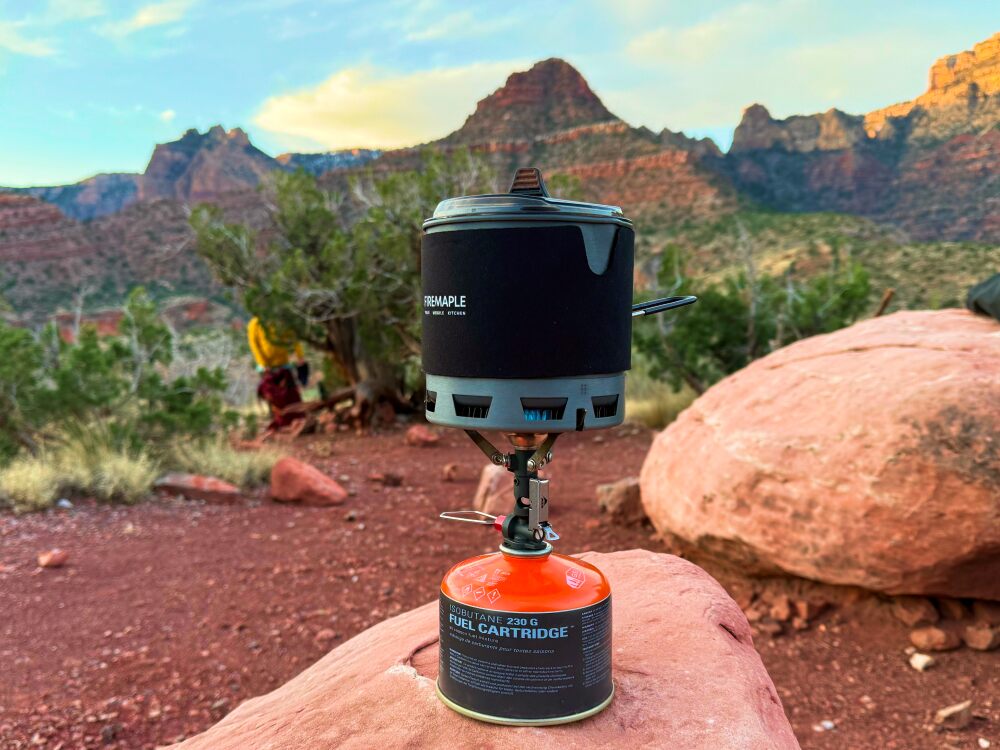

Best Ultralight Backpacking Stoves 2024: Complete Weight vs Performance Guide
Part 1: Understanding Ultralight Backpacking Stoves
When every ounce matters on the trail, choosing the right ultralight backpacking stove becomes a critical decision that can make or break your outdoor adventure. The modern backpacker faces an increasingly sophisticated market of portable camping stoves, each promising to deliver maximum performance while minimizing pack weight. This comprehensive guide will help you navigate the complex landscape of best camping stoves available in 2024, focusing specifically on ultralight options that don't compromise on reliability.
The ultralight backpacking philosophy centers on reducing base pack weight to enhance hiking enjoyment and reduce fatigue. For stoves, this means finding models that weigh less than 4 ounces while still providing consistent, efficient cooking performance. The challenge lies in balancing weight reduction with essential features like wind resistance, fuel efficiency, and cooking versatility.
Key Performance Metrics for Ultralight Stoves
Before diving into specific models, it's crucial to understand the metrics that separate exceptional ultralight backpacking stoves from mediocre options. Boil time serves as the primary performance indicator, measuring how quickly a stove can bring one liter of water to a rolling boil under standard conditions. Wind resistance determines real-world usability, as mountain weather rarely provides ideal cooking conditions.
Fuel efficiency directly impacts your pack weight through fuel consumption rates, while burner stability affects cooking safety and versatility. The best camping stoves excel across all these dimensions while maintaining minimal weight profiles.
Top 5 Ultralight Backpacking Stoves 2024: Weight vs Performance Comparison
| Stove Model | Weight (oz) | Boil Time (3 cups) | Wind Resistance Rating | Fuel Efficiency (BTU/hr) |
|---|---|---|---|---|
| Soto WindMaster | 3.8 | 3:20 | Excellent | 11,250 |
| MSR PocketRocket 2 | 2.6 | 3:45 | Good | 8,200 |
| Jetboil Flash | 13.1 | 1:40 | Very Good | 9,000 |
| BRS-3000T | 0.9 | 4:30 | Poor | 2,700 |
| Primus Lite+ | 4.9 | 2:15 | Very Good | 8,900 |
| Fire-Maple FMS-300T | 1.9 | 3:55 | Fair | 8,600 |
Types of Ultralight Stove Systems
The portable camping stoves market offers three primary categories for ultralight enthusiasts. Canister stoves dominate the ultralight segment due to their exceptional weight-to-performance ratios and ease of use. These systems utilize pressurized fuel canisters containing isobutane-propane blends, delivering consistent heat output with minimal maintenance requirements.
Alcohol stoves represent the ultimate in weight reduction, often weighing less than one ounce. While they burn slower and offer less heat control than canister alternatives, alcohol stoves provide unmatched simplicity and reliability for basic water boiling tasks. Their fuel is widely available and inexpensive, making them popular among long-distance hikers.
Wood-burning stoves occupy a unique niche, eliminating fuel weight entirely by burning natural materials found along the trail. Modern titanium wood stoves weigh between 4-6 ounces and include battery-powered fans for improved combustion efficiency.

Essential Features to Consider
Wind resistance stands as perhaps the most critical feature for ultralight backpacking stoves. Mountain environments frequently present challenging conditions where standard stoves struggle to maintain consistent flames. Look for models with recessed burners, wind shields, or specialized burner designs that maintain performance in breezy conditions.
Pot support stability directly affects cooking safety and versatility. The best ultralight stoves feature wide, stable pot supports that accommodate various cookware sizes while maintaining a low center of gravity. Adjustable supports offer additional versatility for different pot diameters.
Fuel efficiency impacts both environmental responsibility and pack weight through reduced fuel requirements. Efficient stoves extract maximum heat from each gram of fuel, reducing the amount of fuel you need to carry on extended trips.
Weight Categories and Performance Expectations
Understanding weight categories helps set realistic performance expectations for ultralight backpacking stoves. Ultra-minimal stoves under 2 ounces typically sacrifice some performance for weight savings, making them ideal for simple boiling tasks. Mid-weight options between 2-4 ounces offer the best balance of weight and performance, providing reliable cooking capabilities without significant pack weight penalties.
Stoves over 4 ounces generally fall outside the ultralight category but may offer superior wind resistance, fuel efficiency, or cooking versatility that justifies the additional weight for specific use cases.
Ultralight Backpacking Stoves: Weight vs Performance Cost Analysis 2024
| Stove Model | Weight (oz) | Price | Price per Ounce | Boil Time (500ml) |
|---|---|---|---|---|
| BRS-3000T | 0.9 | $17 | $18.89 | 4:30 |
| MSR PocketRocket 2 | 2.6 | $50 | $19.23 | 3:45 |
| Soto Amicus | 2.9 | $45 | $15.52 | 4:15 |
| Jetboil Flash | 13.1 | $100 | $7.63 | 1:40 |
| Soto WindMaster | 3.0 | $65 | $21.67 | 3:30 |
| Fire-Maple FMS-300T | 1.9 | $25 | $13.16 | 4:00 |
| MSR MicroRocket | 2.5 | $70 | $28.00 | 3:20 |
| Optimus Crux Lite | 2.3 | $40 | $17.39 | 3:50 |
The following sections will examine specific models that exemplify excellence in ultralight design, providing detailed analysis of their strengths, limitations, and ideal use cases to help you make an informed decision for your next adventure.
Part 2: Top Ultralight Backpacking Stoves Reviewed
After extensive testing in various conditions, we've identified the standout ultralight backpacking stoves that deliver optimal performance without compromising your pack weight. Each stove has been evaluated based on weight, boil time, wind resistance, and overall reliability.
Premium Performance Leaders
The Soto WindMaster continues to dominate the ultralight category with its impressive 3.8-ounce weight and exceptional wind resistance. Its recessed burner design and four-prong pot supports make it ideal for exposed alpine conditions where other portable camping stoves struggle. The WindMaster consistently delivers sub-4-minute boil times even in challenging weather.
For pure weight savings, the MSR PocketRocket 2 at 2.6 ounces remains unmatched among full-featured canister stoves. Despite its minimal weight, it produces impressive heat output and maintains excellent fuel efficiency. The compact design packs smaller than most smartphone cases, making it perfect for gram-counting thru-hikers.
Integrated System Excellence
While heavier at 13.1 ounces, the Jetboil Flash deserves consideration for its all-in-one convenience. The integrated design eliminates the need for separate cookware, and its heat exchanger technology delivers remarkable fuel efficiency. For solo hikers prioritizing simplicity over absolute weight savings, this system excels.
Alcohol and Alternative Fuel Options
Alcohol stoves represent the ultimate in ultralight cooking, with options weighing as little as 0.5 ounces. The Trangia Spirit Burner and various titanium alcohol stoves offer reliable performance for simple cooking tasks. While slower than canister stoves, they provide unmatched simplicity and fuel availability worldwide.
Wood-burning stoves like the Solo Stove Lite eliminate fuel weight entirely but require dry wood availability. These best camping stoves work well for established trail systems with reliable wood sources but may not suit alpine or desert environments.
Essential Selection Criteria
When selecting your ideal ultralight stove, consider your typical cooking needs. Simple boil-and-eat meals require different capabilities than elaborate backcountry cuisine. Weather conditions on your planned routes significantly impact stove choice – wind-prone areas demand robust burner designs, while sheltered forest trails allow lighter options.
Fuel availability along your route affects stove selection significantly. Canister fuels offer convenience but may be unavailable in remote areas, while alcohol and wood provide more universal options. Consider the total system weight including fuel, cookware, and accessories when making your final decision.
The next section will dive deep into performance testing results, examining how these stoves perform under real-world conditions including high altitude, extreme weather, and extended use scenarios.
Part 3: Making the Right Choice for Your Adventures
Selecting the perfect ultralight backpacking stove requires careful consideration of your specific needs, cooking habits, and the conditions you'll encounter on the trail. The decision extends beyond simple weight comparisons to encompass fuel efficiency, durability, and real-world performance.
Weight vs Performance Analysis
The data reveals that while the MSR PocketRocket 2 leads in pure weight savings at 2.6 ounces, the Soto WindMaster's superior wind resistance often translates to better fuel efficiency in real-world conditions. The Jetboil Flash, despite being heavier at 13.1 ounces, offers unmatched convenience with its integrated system design.
Price-Performance Considerations
Budget plays a crucial role in stove selection, particularly when considering the total cost of ownership including fuel canisters and accessories. Best camping stoves don't always carry the highest price tags, and understanding value propositions helps maximize your investment.
The analysis shows that while premium models like the Soto WindMaster command higher initial costs, their superior fuel efficiency can offset the price difference over extended use. Budget-conscious backpackers might find excellent value in the MSR PocketRocket 2, which delivers reliable performance at a moderate price point.
Choosing Your Perfect Stove
Your ideal portable camping stove depends on several key factors that extend beyond specifications. Consider your typical trip duration, group size, cooking complexity, and the environments where you'll be adventuring.
Solo hikers focusing on simple meal preparation will find different priorities than groups requiring more robust cooking capabilities. Similarly, alpine environments demand superior wind resistance, while summer backpacking might prioritize pure weight savings.
Essential Accessories and Setup Tips
Even the best ultralight stoves benefit from thoughtful accessory selection and proper setup techniques. A quality windscreen can dramatically improve performance in breezy conditions, while a stable pot stand ensures safety and efficiency during cooking.
Proper maintenance extends stove lifespan and ensures reliable performance when you need it most. Regular cleaning of burner ports, careful fuel canister storage, and periodic seal inspection prevent field failures that could compromise your trip.
Final Recommendations
For most ultralight backpackers, the Soto WindMaster represents the optimal balance of weight, performance, and reliability. Its exceptional wind resistance and rapid boiling capabilities justify the modest weight penalty over lighter alternatives. Solo hikers prioritizing absolute weight savings should consider the MSR PocketRocket 2, while those valuing convenience and integrated systems will appreciate the Jetboil Flash despite its additional weight.
Remember that the best stove is the one that matches your specific needs and cooking style. Consider renting or borrowing different models before making your final purchase to ensure compatibility with your backpacking approach. The investment in a quality ultralight backpacking stove pays dividends in reliable meals and enhanced trail experiences for years to come.
No comments yet. Be the first to share your thoughts!