

How to pick ultralight cookware
Choosing the right ultralight backpacking cookware comes down to balancing three competing forces: weight, material durability, and fuel efficiency. There is no single perfect system, but understanding the trade-offs between titanium and aluminum helps you filter options before looking at specific models.
Titanium is the gold standard for durability and weight savings. It is stronger than steel by weight and resists corrosion, meaning your cookware will last for decades. The downside is cost and conductivity. Titanium conducts heat poorly, which often leads to hot spots that can burn food if you aren't careful. It is also significantly more expensive than aluminum.
Aluminum is lighter than steel but heavier than titanium. Its major advantage is thermal conductivity; it heats up quickly and evenly, making it better for cooking meals beyond just boiling water. However, aluminum is softer and more prone to denting. To make it viable for backpacking, most manufacturers anodize the surface to harden it and prevent sticking.
If you hike in cold, windy conditions or plan to burn fuel canisters at altitude, heat exchanger pots change the game. These pots feature fins on the outside that increase surface area, allowing the flame to transfer heat to the water more efficiently. This can cut fuel consumption by up to 30% in windy conditions, offsetting the slight weight penalty of the extra metal.
When evaluating ultralight backpacking cookware, start by defining your primary use case. If you only boil water for dehydrated meals, a simple titanium pot or even a single titanium mug is sufficient. If you plan to cook complex meals with oils or sauces, an anodized aluminum set with a non-stick coating is more practical. Always consider the stove system as part of the total weight, as the cookware must fit securely over your burner.
Top ultralight cookware picks
Choosing the right ultralight backpacking cookware comes down to matching the gear to your group size and cooking style. A single titanium pot is enough for boiling water and rehydrating meals, while a nesting set with a frying pan offers more flexibility for duo trips or longer treks where fresh food is on the menu. High-altitude camping often requires specific stove-pot combinations to manage boil times and wind resistance.
The following selections represent the current best-in-class options for solo hikers, pairs, and specialized high-altitude use. Each product has been chosen for its balance of weight, durability, and thermal efficiency.
Best for Solo Hikers: TOAK Titanium 750ml Pot
The TOAK 750ml is a staple for solo ultralighters who prioritize weight savings without sacrificing basic functionality. Made from 0.3mm titanium, it weighs nearly nothing and fits most standard canister stoves. The pour spouts are designed to minimize spillage, and the pot is compact enough to nest inside most lightweight fuel canisters. It is ideal for one person who primarily boils water for dehydrated meals or coffee.
Best for Duo Trips: Evernew Pasta Pot 1L
For two people, the Evernew Pasta Pot 1L strikes a balance between capacity and weight. It features a unique design that allows for efficient boiling and easy draining, making it versatile for pasta, rice, or stew. The titanium construction ensures it lasts for years of rough use, and its nesting capability allows it to hold small accessories. This pot is a favorite among thru-hikers who need to cook slightly more complex meals than just rehydrating packets.
Best for High-Altitude: Jetboil Flash
At high altitudes, boiling water takes significantly longer due to lower atmospheric pressure. The Jetboil Flash is a integrated cooking system that uses a flux ring to maximize heat transfer from the stove to the pot. This efficiency saves fuel and time, which is critical when conditions are cold and windy. While it weighs more than a standalone titanium pot, the fuel savings and speed make it a practical choice for alpine environments.
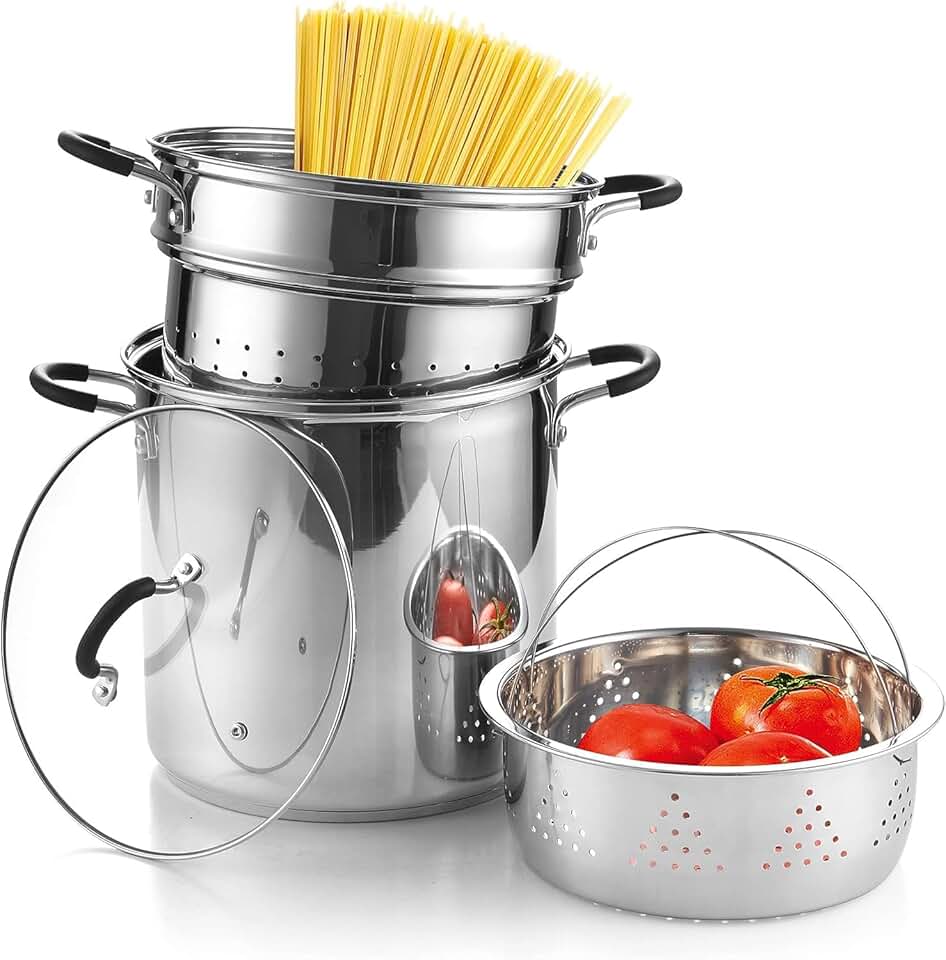
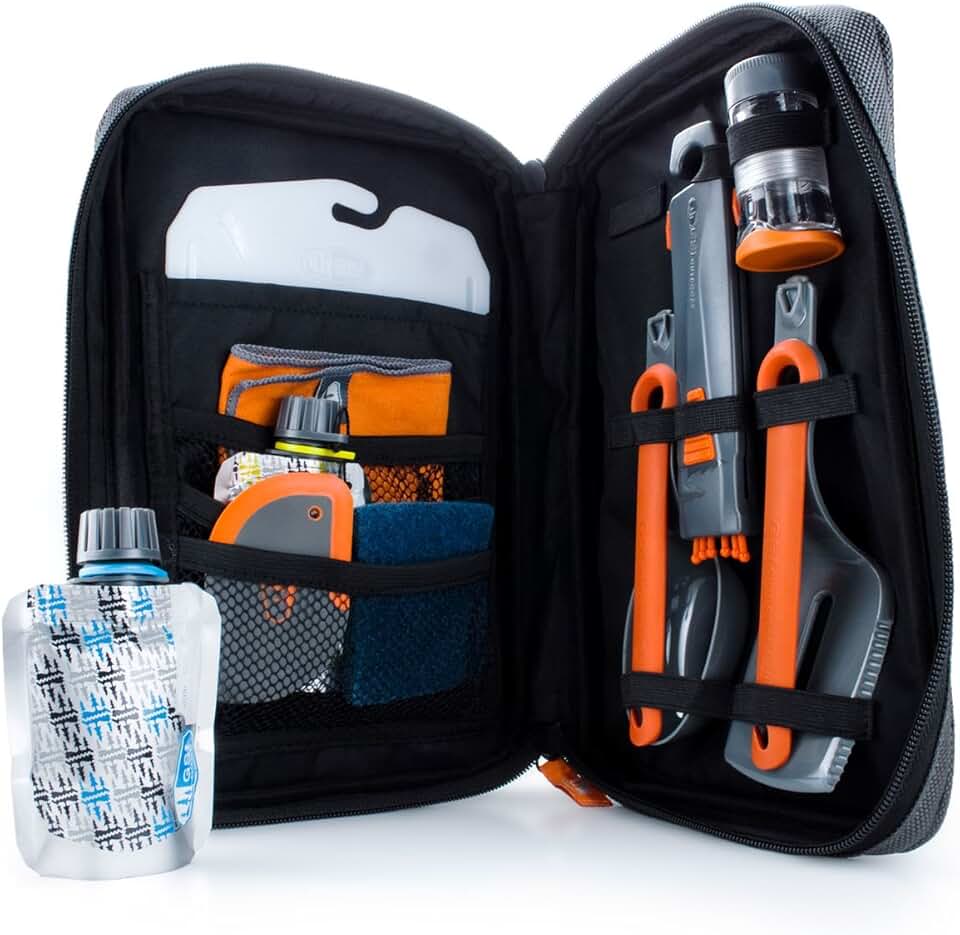
Best Versatile Set: GSI Outdoors Gourmet Camp Kitchen
The GSI Outdoors Gourmet Camp Kitchen is a nesting set that includes a pot, pan, and utensils. It is designed for backpackers who want a complete cooking solution without carrying multiple separate items. The pots nest together to save space, and the included mug doubles as a bowl. This set is heavier than pure titanium options but offers the convenience of a full kitchen in a compact package.


As an Amazon Associate, we may earn from qualifying purchases.
Comparison of Top Picks
| Product | Best For | Material | Key Feature |
|---|---|---|---|
| TOAK 750ml | Solo Hikers | Titanium | Ultra-lightweight, nests in fuel canister |
| Evernew Pasta Pot | Duo Trips | Titanium | Efficient draining, versatile capacity |
| Jetboil Flash | High-Altitude | Aluminum | Integrated heat exchange, fuel efficient |
| GSI Gourmet Set | Versatility | Aluminum | Nesting pan and pot, includes utensils |
Stove pairings for high altitude
Cookware and stove performance are not independent variables; they are a single system. At high altitude, atmospheric pressure drops, lowering the boiling point of water. This means you have less thermal energy available to cook food, making fuel efficiency and heat transfer speed the deciding factors in whether you eat a hot meal or just warm water.
Heat exchanger pots
Heat exchanger pots, often called "stovepipe" pots, feature fins or ridges on the outside that wrap around the flame. These fins increase the surface area in contact with the heat source, capturing more thermal energy before it escapes into the air. This design is particularly effective in cold and windy conditions where standard pots lose heat rapidly.
The TOAK 800ml Heat Exchanger Pot is a prime example of this technology. It reduces boil times significantly compared to a standard pot of the same volume. In thin air, where every BTU counts, this efficiency can mean the difference between carrying an extra canister of fuel or hiking lighter. The trade-off is slightly more weight due to the aluminum fins, but the fuel savings often offset this over a multi-day trek.
Canister stove compatibility
Not all stoves work equally well with all pots. Canister stoves, which attach directly to the fuel canister, are the standard for ultralight backpacking. However, their small burners struggle to heat large, wide pots efficiently, especially at altitude. A mismatch here creates a bottleneck: a powerful stove cannot compensate for a pot that conducts heat poorly or has a base too large for the flame.
For high-altitude trips, pairing a precision canister stove like the Snow Peak GigaPower with a narrow, deep pot is often more effective than a wide, shallow one. The GigaPower offers adjustable flame control, allowing you to maintain a steady, efficient boil without wasting fuel. This combination ensures that the heat generated is transferred directly into the cookware, rather than dissipating into the cold mountain air.
Material matters
Aluminum is the preferred material for high-altitude cookware because it heats up faster and weighs less than titanium. While titanium is durable and corrosion-resistant, its poor thermal conductivity means it takes longer to bring water to a boil. In an environment where fuel is heavy and precious, the time saved by aluminum can translate directly to carrying less fuel.
For most ultralight backpackers, an aluminum pot paired with a reliable canister stove offers the best balance of weight, speed, and cost. If you frequently camp above 10,000 feet, investing in a heat exchanger design is a practical upgrade that addresses the specific challenges of thin air.
Build your trail kitchen kit
A complete ultralight backpacking cookware system requires more than just a pot and stove. To keep your pack weight low while maintaining functionality, you need to select every component with intention. This checklist covers the essential items for assembling a reliable trail kitchen.
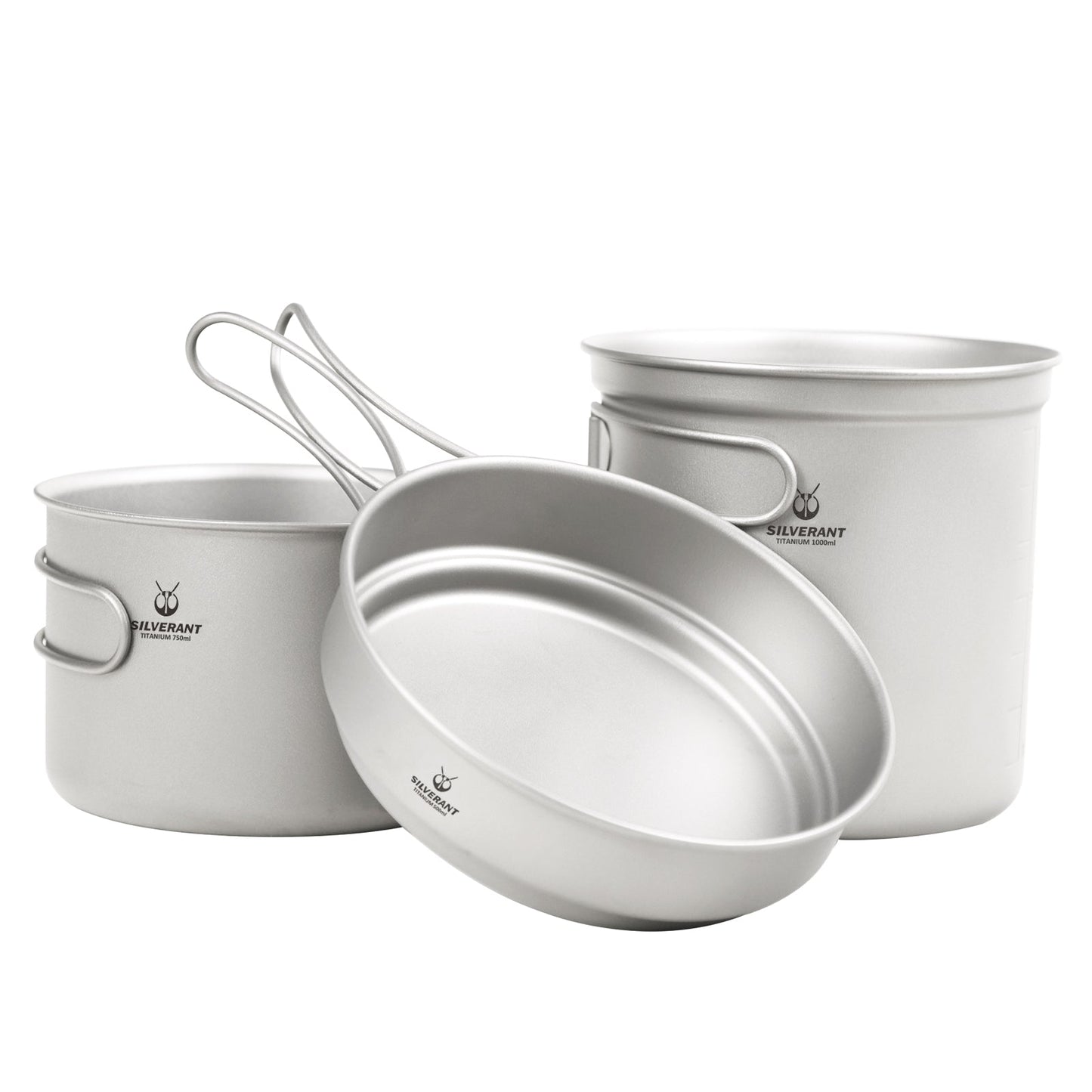
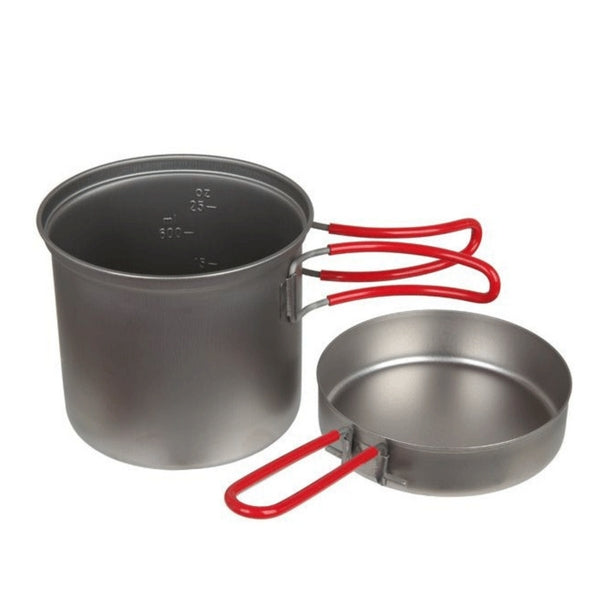
Skip the heavy cast iron. A single titanium pot that doubles as a bowl and has a matching lid saves weight and space. Look for pots with rolled rims to prevent spills and a helper handle for pouring.
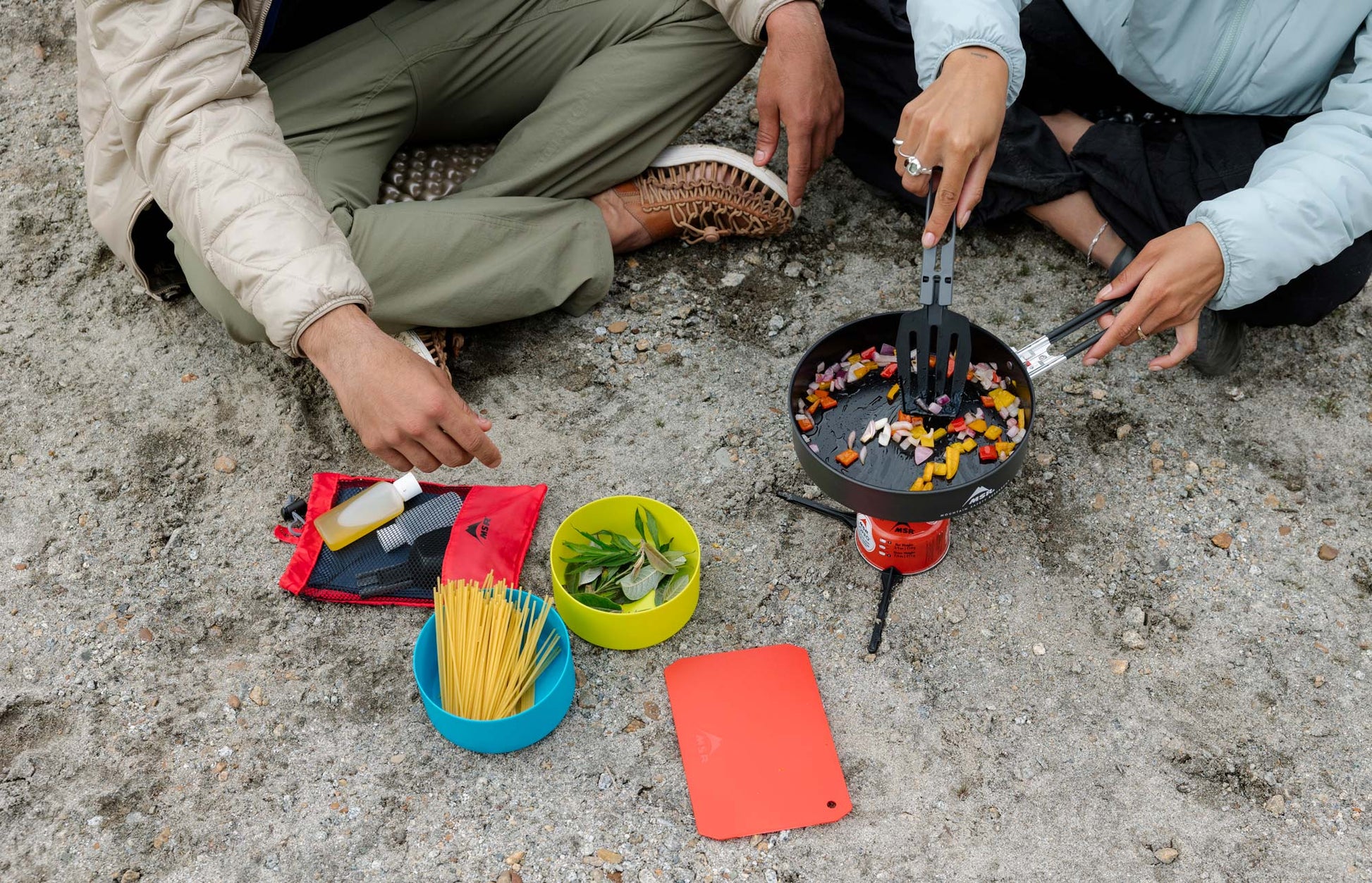
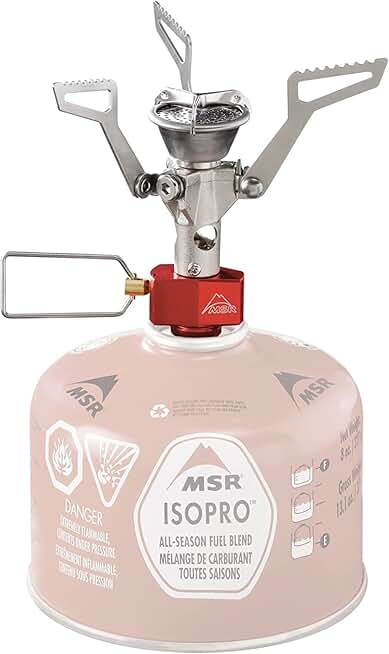
Your stove choice dictates your fuel type and weight. Canister stoves are the lightest option for solo or duo trips, while liquid fuel stoves offer better performance in extreme cold. Ensure your stove matches your pot diameter for stability.
A titanium spork or a dedicated spade utensil is sufficient for most meals. Avoid metal forks that can scratch non-stick pots. If you prefer a spoon, ensure it is thin-walled titanium to keep the weight under 10 grams.
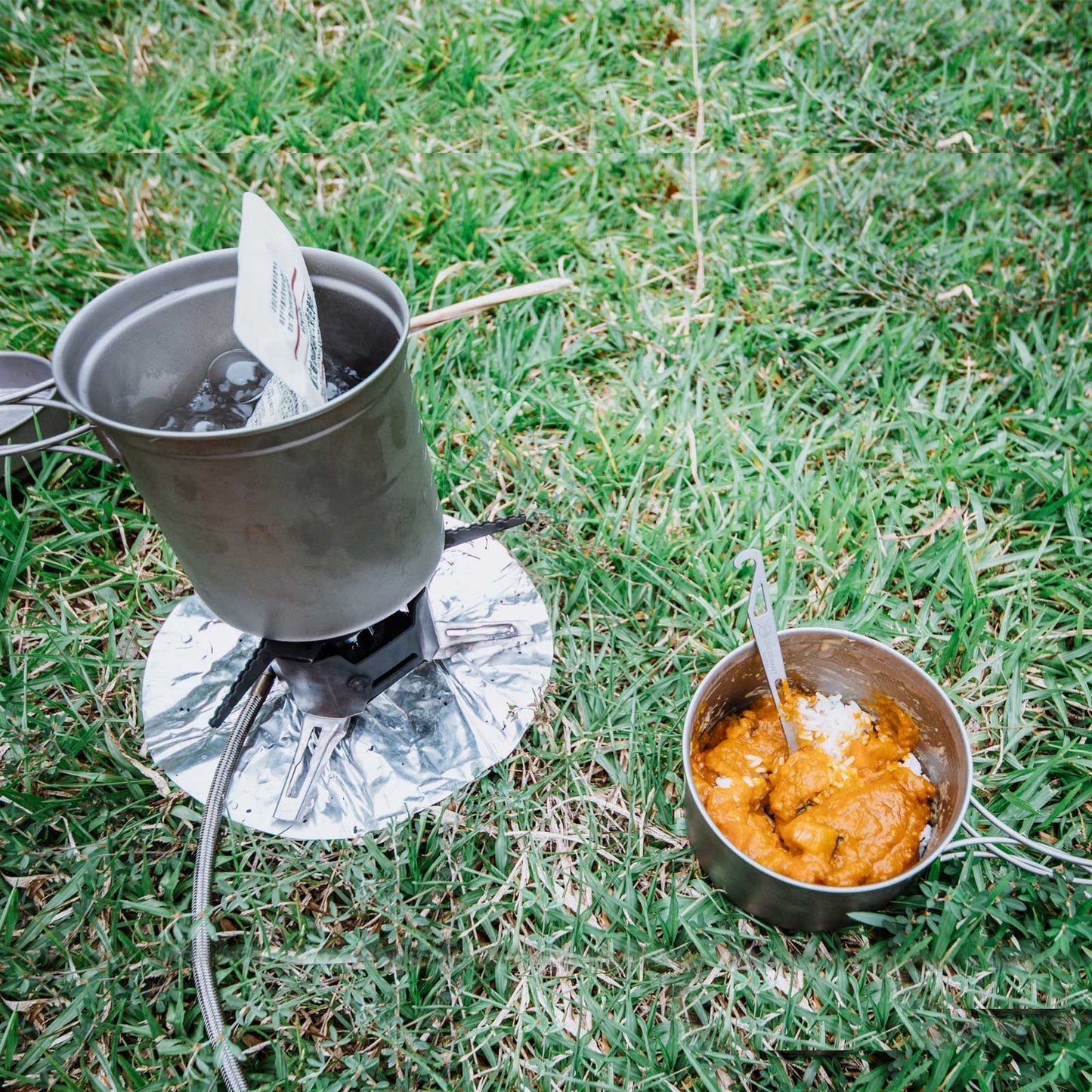
Wind kills heat efficiency. A simple aluminum wind screen or a mesh wind blocker is essential for boiling water quickly. Carry just enough fuel for your planned meals plus a small reserve for emergencies.
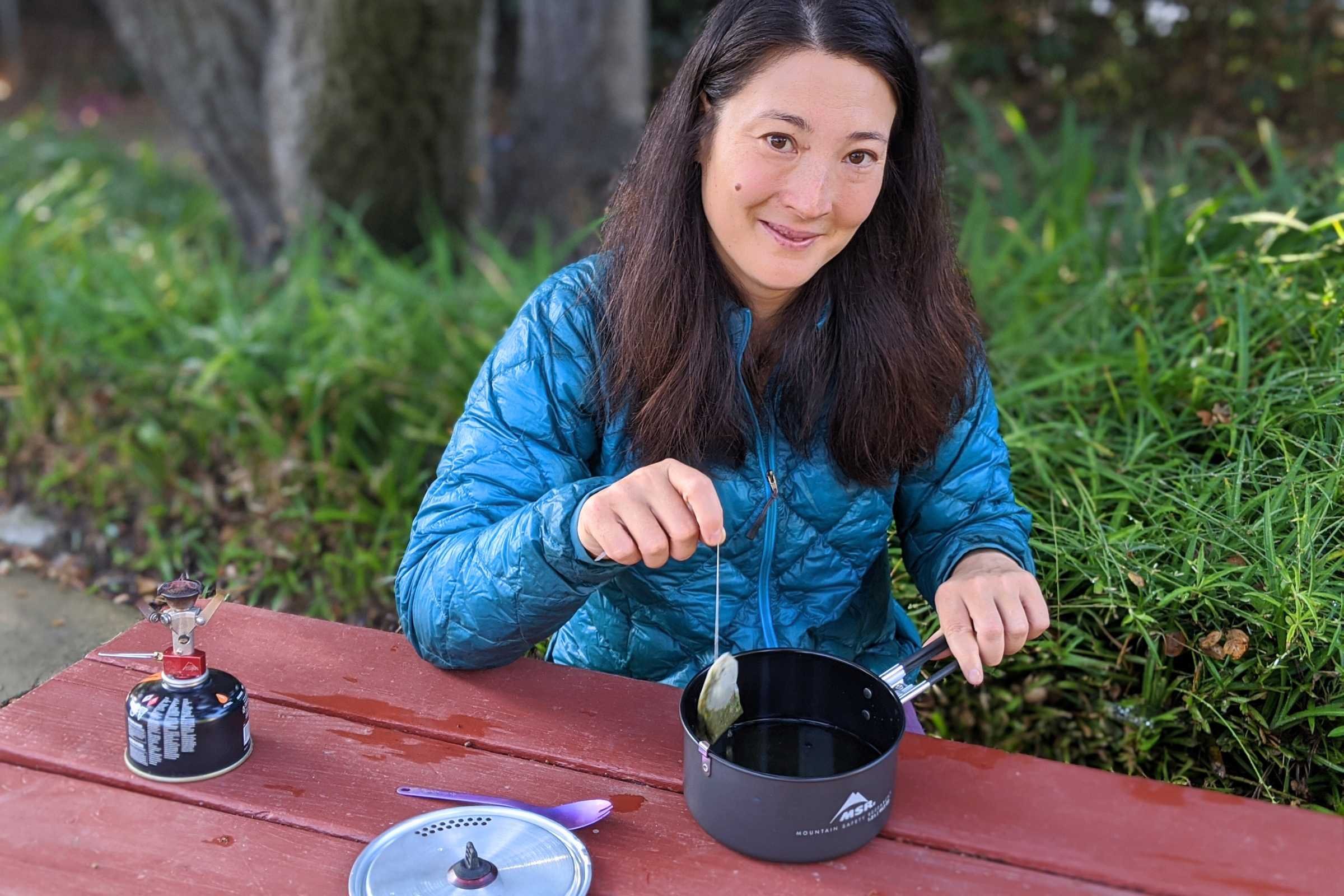
A pot cozy is a simple insulating sleeve that keeps your water hot after boiling. This allows you to use less fuel by letting your meal rehydrate off the stove. You can make one from a fleece sleeve or buy a lightweight commercial version.


As an Amazon Associate, we may earn from qualifying purchases.
No comments yet. Be the first to share your thoughts!