

The Weight Game: Titanium & Aluminum
For backpackers, every ounce counts. It’s not just about saving energy; it’s about preventing fatigue and enjoying the experience. The shift toward ultralight backpacking gear over the last decade has been driven by this very principle. Titanium and aluminum have become the dominant materials for cookware because they offer significant weight savings compared to stainless steel or cast iron.
Let’s look at some numbers. A typical 900ml titanium pot with a lid might weigh around 3.5-4 ounces. An aluminum pot of the same size, depending on the alloy, will usually be 5-6 ounces. Even that difference of 1.5 to 2.5 ounces feels significant when you’re carrying everything on your back. A titanium spork can come in under an ounce, while an aluminum one is usually around 1.5 ounces. Mugs follow a similar pattern.
This weight difference isn't just about bragging rights. Reducing your base weight improves your overall hiking speed and endurance. It can be the difference between a pleasant day hike and a grueling slog. While the initial investment in lighter gear might be higher, many backpackers find the improved experience well worth the cost. The trend towards lighter materials started gaining real traction around 2015, with companies like Toaks and TiWild pioneering affordable titanium options.
Aluminum Cookware: The Budget Champion
Aluminum cookware is often the entry point for many backpackers because it’s affordable. You can find a complete aluminum cooking set for under $50, making it a very accessible option. Different alloys exist, like 3003-aluminum and 5052-aluminum, but for most backpacking applications, the distinctions aren't critical. The higher numbers indicate more magnesium, which improves strength but doesn't dramatically change performance.
Aluminum has excellent thermal conductivity, heating up quickly and evenly. This translates to faster cooking times, which is a bonus when you’re trying to conserve fuel or just get a hot meal after a long day. However, this quick heating can also mean food is more likely to scorch if you’re not careful.
Durability is where aluminum falls short compared to titanium. It’s prone to denting, especially thinner-walled pots. While a dent might not render the pot unusable, it can affect how well it sits on a stove and potentially compromise its structural integrity. Anodization, a process that creates a protective oxide layer, helps prevent corrosion and makes the aluminum more durable, but it doesn’t eliminate the risk of dents.
Despite its weaknesses, aluminum remains a solid choice for many. It’s easy to find, relatively lightweight, and performs well in most conditions. It’s a practical option for those starting out or who prioritize cost savings over ultimate durability. This material has been reliably used for decades, offering a good balance of price and performance.
Titanium Cookware: Premium Performance?
Titanium cookware is often considered the gold standard for ultralight backpacking due to its exceptional strength-to-weight ratio. You get a remarkably durable pot that weighs significantly less than its aluminum counterpart. It feels more robust, even when the titanium is thinner, inspiring confidence when tossing it into a pack and subjecting it to the rigors of trail life.
Titanium doesn’t conduct heat as efficiently as aluminum, meaning it takes longer to boil water and you might experience more uneven heating. A windscreen is almost essential when using titanium cookware, especially in breezy conditions, to maximize heat retention and improve boiling times. Some backpackers report a metallic taste with titanium, although this seems less common with newer cookware.
The biggest drawback for many is the price. Titanium cookware is considerably more expensive than aluminum, with a comparable pot and lid set easily costing $100 or more. Whether that extra performance is worth the added cost is a personal decision. For occasional weekend trips, the benefits might not be significant, but for thru-hikers or those prioritizing weight savings above all else, it can be a worthwhile investment.
Long-term corrosion resistance is a consideration. While titanium is highly resistant to corrosion from water and most foods, some reports suggest potential issues with prolonged exposure to saltwater or highly acidic substances. It’s not a widespread problem, but it’s worth considering, especially if you plan on backpacking in coastal environments. As titanium is a relatively new material in the backpacking world, its long-term behavior is still being studied.
Durability Head-to-Head: Real-World Scenarios
Imagine setting up camp and accidentally knocking your pot off a rock. An aluminum pot will almost certainly dent, depending on the height of the drop and the type of rock. A titanium pot, while not immune to damage, is more likely to withstand the impact without a visible dent, though it could potentially develop a small crack under extreme force.
Scraping against rocks while scrambling up a hillside is another scenario. Aluminum is more easily scratched and abraded, while titanium is harder and more resistant to these types of surface damage. Over time, scratches on aluminum can contribute to corrosion. Aluminum pots have been observed to develop small leaks after years of use and repeated scrapes.
Repairability is another factor. A dent in an aluminum pot can sometimes be hammered out (with caution), though it can also weaken the pot's structure. A cracked titanium pot is generally considered beyond repair. Stories from outdoor communities suggest patching small holes in aluminum pots with silicone sealant as a temporary fix.
Both materials are reasonably durable for backpacking if handled with care. However, if you’re prone to accidents or backpacking in rugged terrain, titanium offers a greater margin of safety.
- Aluminum: Prone to denting, scratches easily, can sometimes be repaired.
- Titanium: Highly dent-resistant, more scratch-resistant, difficult to repair if cracked.
Titanium vs. Aluminum Backpacking Cookware: A Comparison (2026)
| Feature | Aluminum | Titanium |
|---|---|---|
| Weight | Similar | Similar |
| Cost | Better | Worse |
| Heat Conductivity | Better | Worse |
| Impact Resistance | Worse | Better |
| Corrosion Resistance | Similar | Better |
| Repairability | Better | Worse |
| Cooking Experience (even heating) | Better | Similar |
Illustrative comparison based on the article research brief. Verify current pricing, limits, and product details in the official docs before relying on it.
Top Aluminum & Titanium Cookware Sets (2026)
The market offers many options that consistently receive high marks from backpackers. Here’s a look at some of the best available in 2026, balancing performance, weight, and price. Remember that 'best' is subjective and depends on your individual needs.
Aluminum Sets:
1. MSR Quick 2 System (around $60): A classic choice, known for its compact size and reliable performance. 1.5L capacity, weighs 8.6oz.
2. GSI Outdoors Pinnacle Dualist II (around $55): Includes two bowls and mugs, making it a great option for couples. 1.8L pot, 10.8oz total weight.
3. Stanley Adventure All-in-One Mess Kit (around $40): A budget-friendly option that includes a pot, bowl, and spork. 1.1L capacity, 12oz total weight.
Titanium Sets:
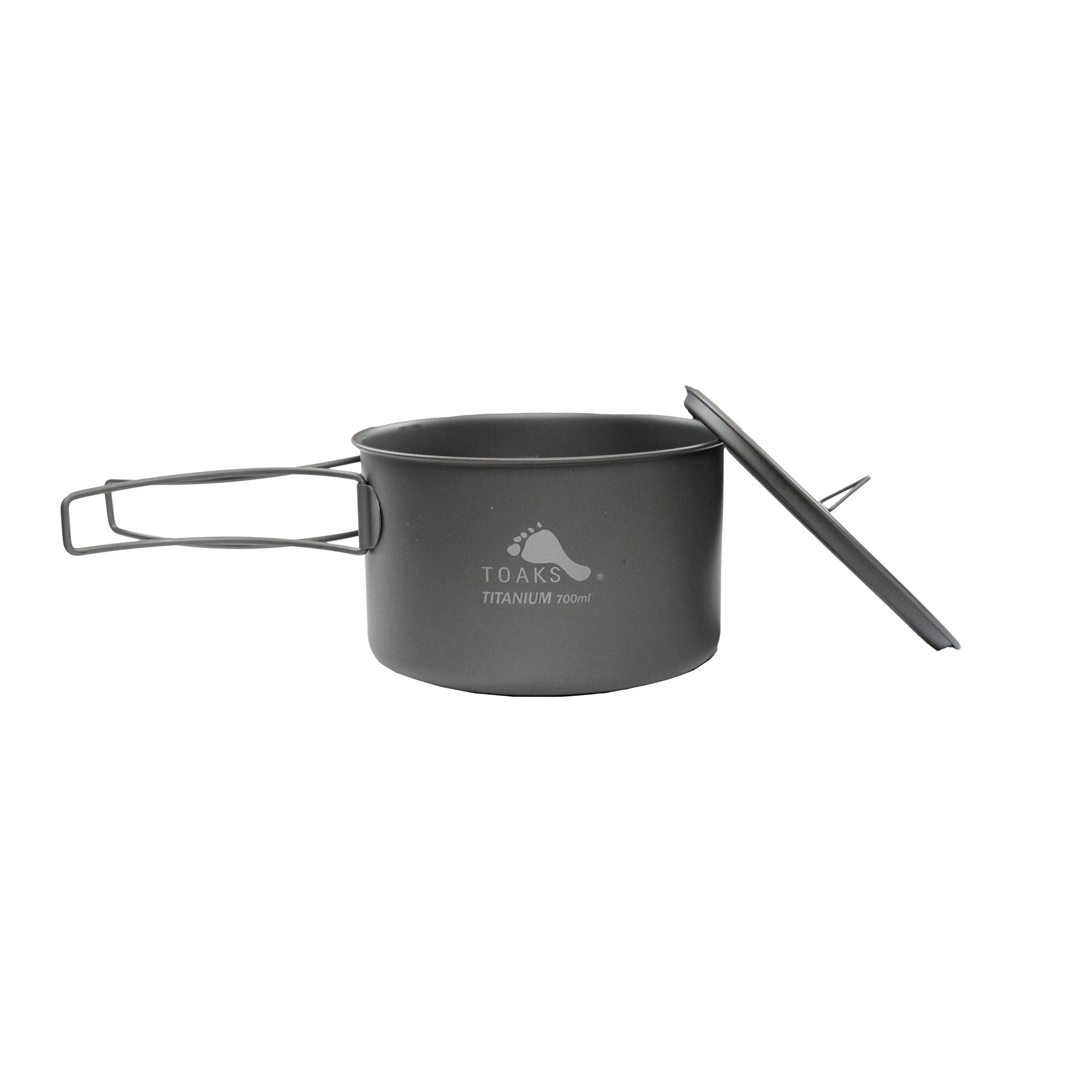
4. Toaks Titanium 750ml Pot (around $65): A minimalist option for solo hikers. Lightweight at 3.5oz, and well-regarded for its quality.
5. TiWild Titanium Cookware Set (around $90): Includes a 900ml pot, lid, and folding handle. Weighs around 4.8oz. Often praised for its value.
6. REI Co-op Flexlite Titanium Cook Set (around $110): A more premium option with a focus on durability and features. 1.2L pot, 5.5oz total weight.
7. Snow Peak Titanium Trekking Mess Kit (around $130): A high-end set known for its sleek design and exceptional quality. 1L pot, 6oz total weight.
Featured Products

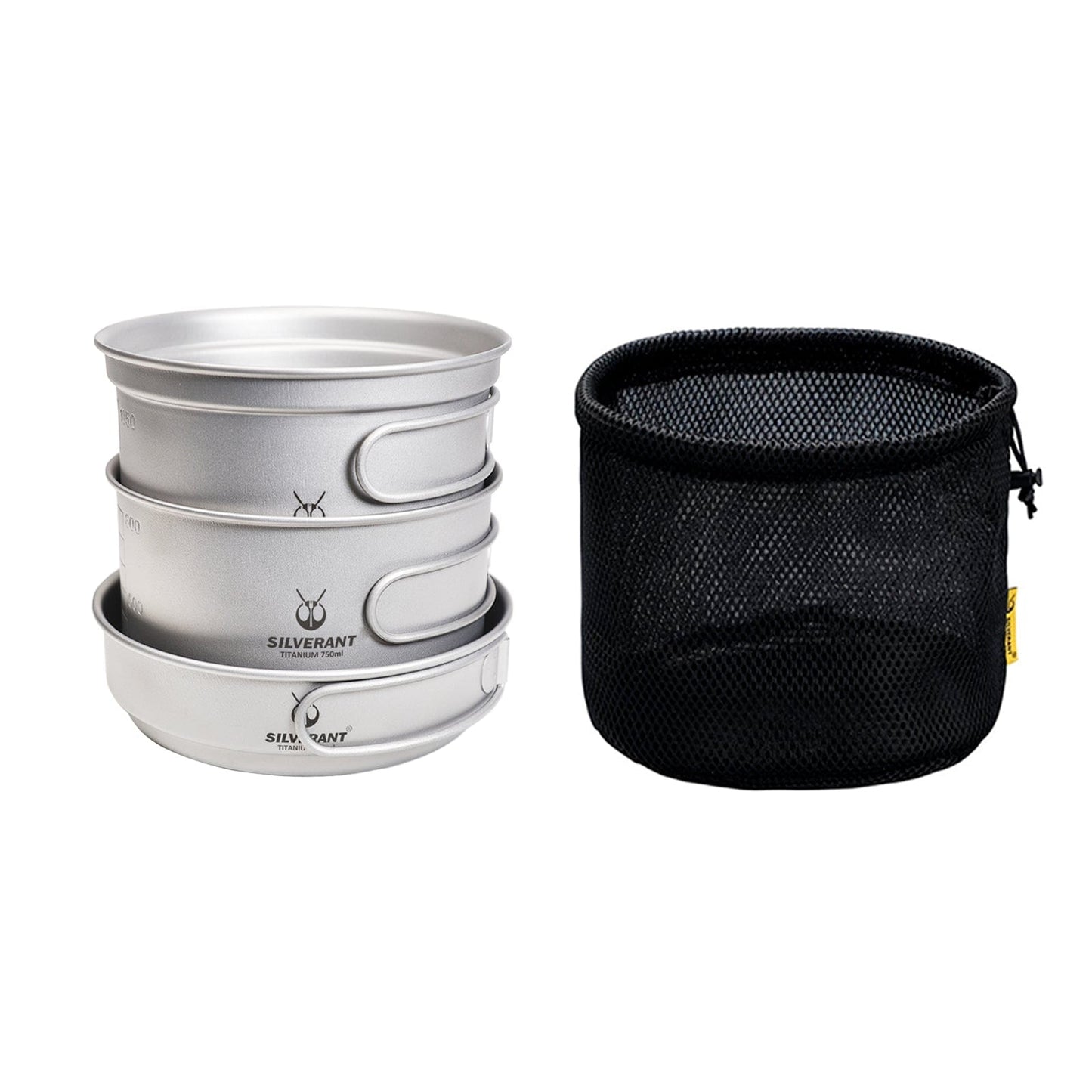
Made from titanium for exceptional strength and lightness · 750ml capacity suitable for solo meals or boiling water · Includes a lid with a secure handle
This pot is a no-frills, highly durable, and incredibly lightweight option for solo backpackers prioritizing simplicity and weight savings.

Constructed from thin-gauge titanium for minimal weight · 750ml pot with integrated folding handles · Includes a lid and a mesh storage sack
The EVERNEW set offers a compact and feather-light titanium solution for solo hikers who value efficient packing and rapid heating.
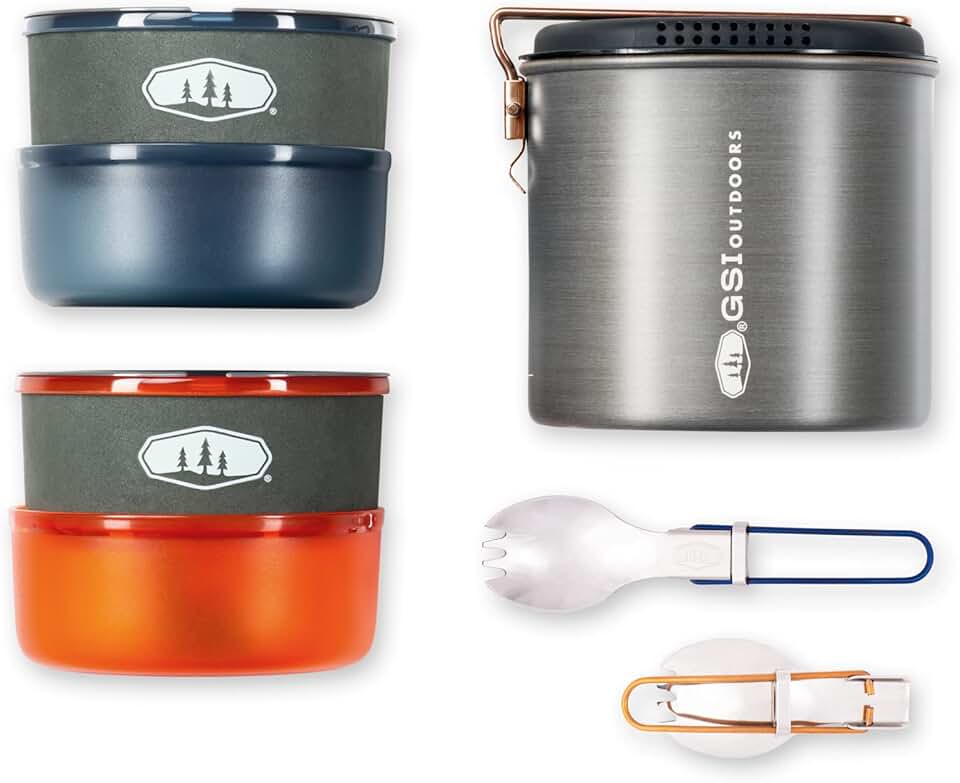
Made from hard-anodized aluminum for durability and even heating · Nesting design includes two bowls, two insulated mugs, and two Sip-It tops · Compact and efficient for two people
This aluminum set provides a robust and well-designed cooking and eating system for two, balancing weight with essential features for shared meals.
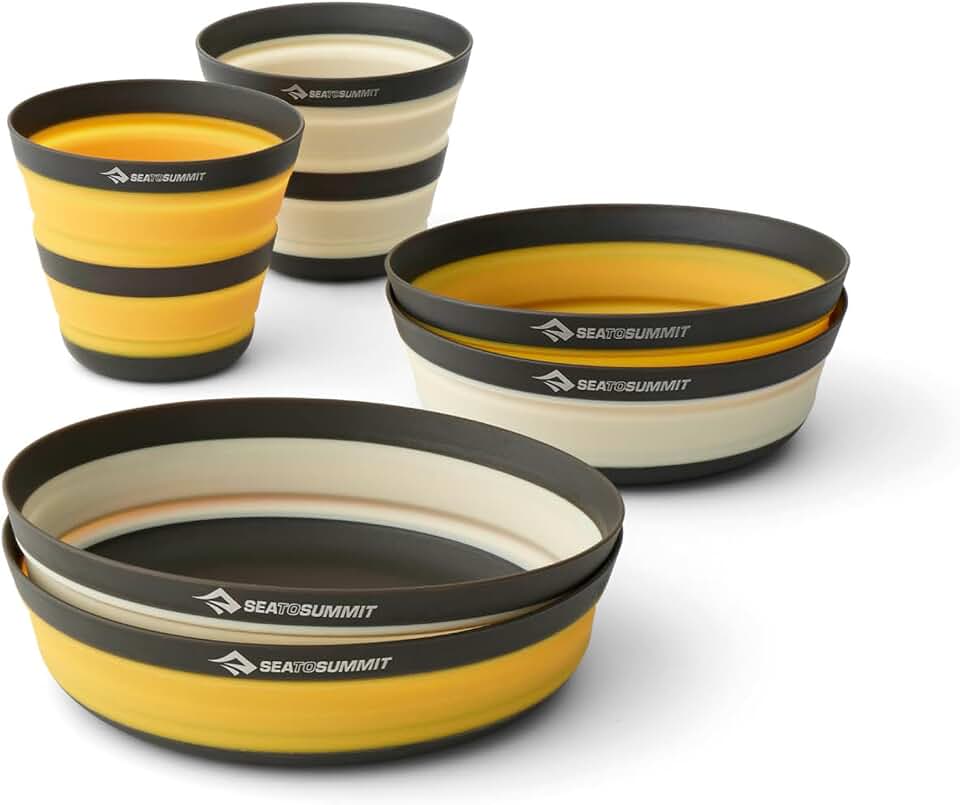
Features a collapsible design for maximum packability · Made from BPA-free silicone and durable nylon · Includes two medium bowls, two large bowls, and two cups
The Sea to Summit set is an excellent choice for backpackers seeking versatile and space-saving dinnerware that packs down incredibly small.

Crafted from pure titanium for extreme lightness and durability · 1.5-liter capacity ideal for boiling water for multiple servings · Features a secure lid and a comfortable, heat-resistant handle
This titanium kettle is a premium choice for backpackers who need to boil water efficiently and quickly, offering unparalleled weight savings.
As an Amazon Associate I earn from qualifying purchases. Prices may vary.
Beyond Sets: Sporks, Mugs & Accessories
The material choice extends beyond the pot itself. Titanium sporks are popular due to their light weight and durability, but they can be relatively expensive. An aluminum spork is a more affordable option, but it's more prone to bending. I generally prefer a titanium spork for its longevity.
Titanium mugs are also a good investment, especially if you're trying to minimize weight. However, a titanium spork scraping against an aluminum pot will leave marks on the aluminum. It’s a minor issue, but something to be aware of. Silicone pot lifters are essential for handling hot pots regardless of the material.
Folding handles are a game-changer for titanium cookware, as they allow you to pack the pot more compactly. Look for handles with a secure locking mechanism. Wind screens are crucial for titanium pots, and even beneficial for aluminum in windy conditions. Consider a foldable windscreen to save space.
Ultimately, you can mix and match materials based on your priorities. There's no rule saying you need a complete titanium or aluminum setup. A titanium pot with an aluminum spork is a perfectly viable combination.
High Altitude & Cold Weather Considerations
At higher altitudes, water boils at a lower temperature. The lower heat conductivity of titanium can become more noticeable in these conditions, requiring longer boiling times. Using a lid and a wind screen is even more critical to maximize heat retention. Chef Camper’s guides to high-altitude stoves emphasize the importance of fuel efficiency, which is directly impacted by cookware performance.
In extremely cold weather, aluminum can become brittle. While this isn’t a major concern for most backpackers, it’s something to be aware of if you’re venturing into sub-zero temperatures. Titanium maintains its ductility at lower temperatures. However, both materials will lose some heat more quickly in cold environments, so insulation is key.
Wind protection is paramount in all conditions, but especially at high altitudes and in cold weather. A good wind screen can significantly improve cooking times and fuel efficiency, regardless of whether you’re using aluminum or titanium cookware. Prioritizing a sheltered cooking location is also crucial.
No comments yet. Be the first to share your thoughts!