

Sun's Power, Kitchen's Freedom
There’s a quiet revolution happening in outdoor cooking. It’s not about faster burners or lighter stoves, but about disconnecting from fuel canisters and embracing the sun. Solar-powered camping stoves are gaining traction, and for good reason. They offer a sustainable, cost-effective, and increasingly practical way to prepare meals while enjoying the wilderness.
The appeal is obvious: no more worrying about running out of propane, no more hauling heavy fuel bottles, and a significantly reduced environmental impact. For years, solar cooking felt like a compromise – slow, unreliable, and limited in what you could actually cook. But the technology is improving rapidly, and 2026 is shaping up to be a particularly exciting year for off-grid cooking equipment.
I’ve been following the development of solar stoves for a while now, and the advancements in materials and design are genuinely impressive. What used to be bulky, inefficient contraptions are now becoming sleek, portable, and capable of producing real results. This isn’t just about boiling water anymore; it’s about enjoying a hot, cooked meal wherever your adventures take you.
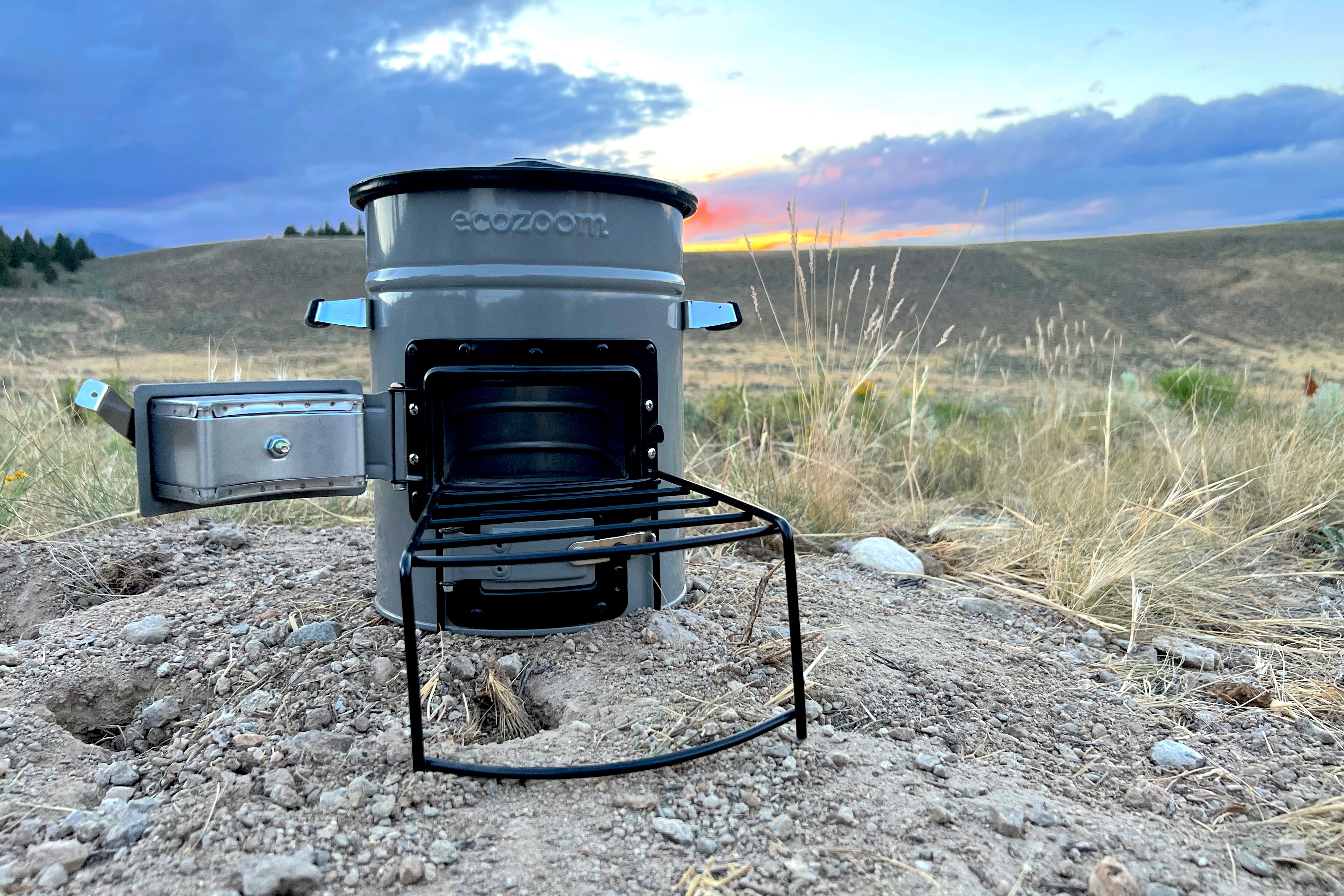
How Solar Camping Stoves Work
At their core, solar camping stoves work by concentrating sunlight to create heat. That’s the simple explanation, but the methods for achieving this vary considerably. The three main types are panel-based, parabolic, and hybrid models. Panel-based stoves use reflective panels to direct sunlight onto a cooking pot, relying on the greenhouse effect to trap heat.
Parabolic stoves, on the other hand, use a curved, mirror-like surface to focus sunlight onto a single point, achieving much higher temperatures. They’re incredibly efficient on sunny days, but require constant adjustment to track the sun. Hybrid stoves attempt to combine the benefits of both approaches, often incorporating elements of both panel and parabolic designs.
The amount of heat generated depends on several factors. Sunlight intensity is the most obvious – a bright, clear day will yield far better results than an overcast one. The angle of the sun also plays a role; a direct angle maximizes energy absorption. Ambient temperature matters too; cooler temperatures mean less heat loss. It’s a bit of physics, but understanding these principles is key to successful solar cooking.
Don’t expect the instant heat of a propane stove. Solar cooking is a slower process, relying on cumulative heat buildup. But this slower cooking can actually be an advantage for certain dishes, like stews and roasts, resulting in more tender and flavorful meals.
Top Solar Stoves of 2026
The market for solar-powered camping stoves is expanding, with several compelling options available in 2026. Here's a breakdown of some of the best, covering a range of budgets and needs. I’ve focused on models that are readily available for purchase and have received positive feedback from users.
First up is the SunCook Pro (around $150). This panel-based stove is lightweight (2.5 lbs) and folds flat for easy storage. Its cooking area is fairly small, suitable for one or two people. Users on Amazon praise its simplicity and effectiveness on moderately sunny days, but note that cooking times can be long. It's made from recycled polypropylene and reflective mylar.
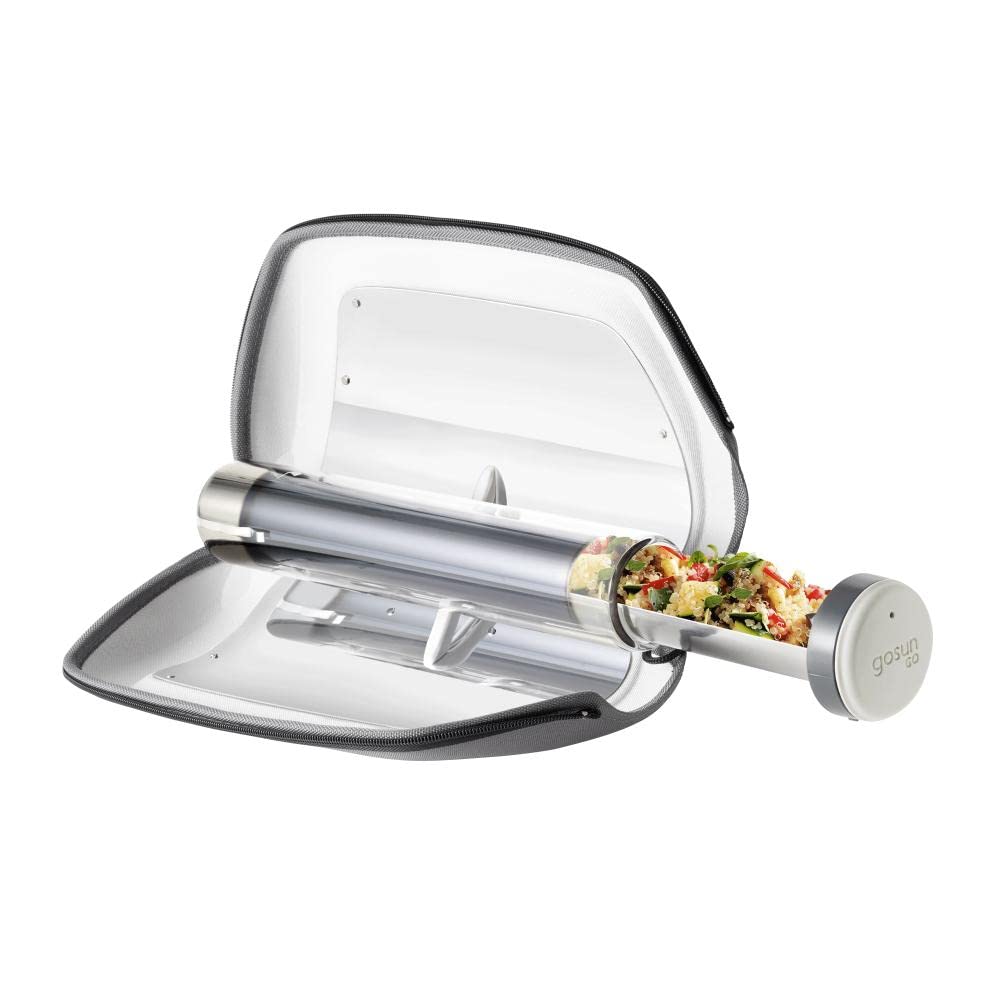
Next, the GoSun Fusion (approximately $300) is a hybrid model that combines parabolic and panel technology. It boasts faster cooking times than panel-based stoves and is less sensitive to cloud cover. It weighs 8 lbs and features a vacuum-sealed cooking chamber for efficient heat retention. RV.com forum users consistently recommend it for its versatility and ability to cook a wide variety of foods.
The Solara BBX (around $250) is a larger panel-based option, ideal for families or groups. It has a spacious cooking area and can reach temperatures of up to 280°F on a sunny day. It's a bit heavier at 10 lbs, but the increased capacity makes it worthwhile for some. Many reviewers mention its ability to bake bread and cook larger meals.
For backpackers prioritizing weight, the HelioCook 3.0 ($120) is a solid choice. It’s incredibly lightweight (1.8 lbs) and packs down small, but it requires a bit more attention to maximize efficiency. It utilizes a reflective panel design. Amazon reviews highlight its portability, but also emphasize the need for consistent sun tracking.
The EcoQue Solar Oven ($180) distinguishes itself with a built-in thermometer and a transparent cooking bag. This allows for constant monitoring of internal food temperature. It weighs 6 lbs and is constructed from durable, heat-resistant materials. Users appreciate the temperature control, but some find the bag a bit cumbersome.
The Sunstreamer Pro ($280) is a parabolic model that delivers impressive cooking power. It can boil a liter of water in under 20 minutes on a sunny day. However, it’s also the most demanding in terms of sun tracking. It weighs 7.5 lbs and comes with a sturdy carrying case.
Lastly, the PowerPot Solar Stove ($100) is a unique offering. It integrates a heating element directly into a cooking pot, maximizing heat transfer. It’s best suited for boiling water and simmering, rather than baking or roasting. It weighs 3 lbs and is a good option for minimalist campers.
- SunCook Pro: $150, 2.5 lbs, Small cooking area, Recycled materials
- GoSun Fusion: $300, 8 lbs, Hybrid design, Vacuum-sealed chamber
- Solara BBX: $250, 10 lbs, Large cooking area, Up to 280°F
- HelioCook 3.0: $120, 1.8 lbs, Lightweight, Requires sun tracking
- EcoQue Solar Oven: $180, 6 lbs, Built-in thermometer, Transparent cooking bag
- Sunstreamer Pro: $280, 7.5 lbs, Parabolic design, Fast cooking times
- PowerPot Solar Stove: $100, 3 lbs, Integrated heating element, Best for boiling/simmering
Solar-Powered Camping Stoves: Comparative Overview - 2026
| Model Name | Typical Use Case | Cooking Performance | Portability | User Feedback |
|---|---|---|---|---|
| SunChef Pro | Solo Backpacking | Fast boiling in direct sunlight, slower in cloud cover | Very lightweight and compact | Generally positive, some report fragile components |
| SolSource Classic | Small Group Camping | Consistent cooking, can simmer effectively | Moderate weight, foldable design | Praised for durability, learning curve for optimal use |
| GoSun Fusion | Versatile - Solo to Family | Excellent heat retention, cooks even without direct sun | Heavier, includes reflector and vacuum tube | Highly rated for all-weather performance, more expensive |
| Parabolic Cooker X500 | Backcountry/Extended Trips | High temperatures achievable, good for frying/sautéing | Bulky, requires precise aiming | Requires practice, effective when properly utilized |
| EcoQue Solar Oven | Car Camping/Basecamp | Slow cooking, ideal for stews and baking | Lightweight, simple design | Good value for the price, not ideal for quick meals |
| Sunflair Portable Solar Cooker | Day Hiking/Picnics | Suitable for warming food, limited cooking capacity | Extremely lightweight and foldable | Best for simple tasks, not a full stove replacement |
Qualitative comparison based on the article research brief. Confirm current product details in the official docs before making implementation choices.
Performance in Different Conditions
Solar stove performance is, unsurprisingly, heavily influenced by the weather. Cloudy days are the biggest challenge. While some stoves, like the GoSun Fusion, can still function with diffused sunlight, cooking times will be significantly extended. Reflectors can help to concentrate even weak sunlight, but don't expect miracles.
High altitude presents another hurdle. The thinner atmosphere means less solar radiation, reducing the stove's efficiency. Adjusting the stove's angle to maximize sun exposure is even more critical at higher elevations. I've found that using a larger reflector can help offset the reduced sunlight.
Seasonal variations also matter. In the winter, the sun is lower in the sky and the days are shorter, making solar cooking more challenging. Conversely, summer offers the most favorable conditions. The key is to be adaptable and adjust your cooking plans accordingly.
I learned the hard way that patience is essential. Solar cooking isn’t about quick meals; it’s about embracing a slower, more deliberate approach. On a less-than-ideal day, be prepared to supplement with a backup cooking method, like a small backpacking stove.
Cooking Times & Recipes
Realistic cooking times with solar stoves are longer than with traditional methods. Boiling water typically takes 30-60 minutes, depending on the stove and weather conditions. Rice dishes can take 1.5-2 hours, while stews and roasts may require 3-4 hours. Baking is also possible, but expect longer bake times and potentially less browning.
Here are a few recipes specifically suited for solar cooking:
Solar Stew: Combine 1 lb of cubed beef, 2 cups of chopped vegetables (potatoes, carrots, onions), 4 cups of broth, and your favorite seasonings in a dark-colored pot. Cook for 3-4 hours, or until the beef is tender.
Solar Rice Pudding: Combine 1 cup of rice, 4 cups of milk, 1/2 cup of sugar, and a pinch of cinnamon in a pot. Cook for 2-3 hours, stirring occasionally.
Solar Baked Apples: Core apples and fill with a mixture of oats, brown sugar, and cinnamon. Place in a baking dish and cook for 2-3 hours, or until tender.
Remember to use dark-colored cookware, as it absorbs heat more effectively. Heat traps, such as a glass lid or a reflective blanket, can also help to retain heat and speed up cooking times.
Accessories & Gear to Enhance Your Setup
A few well-chosen accessories can significantly improve your solar cooking experience. Reflectors are a must-have for maximizing sunlight capture, especially on cloudy days. Heat traps, like a glass lid or a reflective blanket, help retain heat and speed up cooking. Dark-colored cookware is essential for efficient heat absorption.
A thermometer is also a valuable tool, allowing you to monitor the internal temperature of your food. A carrying case makes it easier to transport your stove and accessories. Solar chargers can be used to power other devices, like phones or lights, while you’re cooking.
Some nice-to-have items include a sun-tracking device (though not essential), a windbreak to protect the stove from gusts, and a leveling tripod to ensure the stove is properly positioned. Investing in quality accessories can make a big difference in your overall satisfaction.
Stove Standouts: Worth a Closer Look
From the roundup, a few stoves really stand out for their unique strengths. The GoSun Fusion is a clear winner for versatility. Its hybrid design allows it to perform well in a wider range of conditions than most panel-based stoves. The ability to cook a variety of foods quickly and efficiently makes it a great all-around choice.
For backpackers, the HelioCook 3.0 is hard to beat. Its incredibly lightweight and compact design make it ideal for carrying in a pack. While it requires more attention to sun tracking, the weight savings are worth it for those prioritizing portability.
Finally, the Solara BBX is a fantastic option for families or groups. Its large cooking area and high temperature capabilities make it perfect for preparing larger meals. If you’re cooking for more than two people, the Solara BBX is definitely worth considering. These aren't necessarily better than the other options, just exceptional in their specific niches.
Future Trends & What to Expect
The future of solar cooking looks bright. We're already seeing advancements in materials, with lighter and more durable reflectors being developed. More efficient designs are also on the horizon, potentially incorporating advanced heat transfer technologies.
Integration with energy storage systems is another exciting trend. Imagine a solar stove that can store excess energy for use on cloudy days or at night. This would significantly increase the reliability and versatility of solar cooking.
I also expect to see more smart features, such as automatic sun tracking and temperature control. These features would make solar cooking even easier and more convenient. As the demand for sustainable outdoor gear continues to grow, I believe solar stoves will become increasingly popular and accessible. It's a technology that offers a genuine solution to off-grid cooking needs.
No comments yet. Be the first to share your thoughts!