

Titanium & Carbon Fiber: A Visual Weight Difference
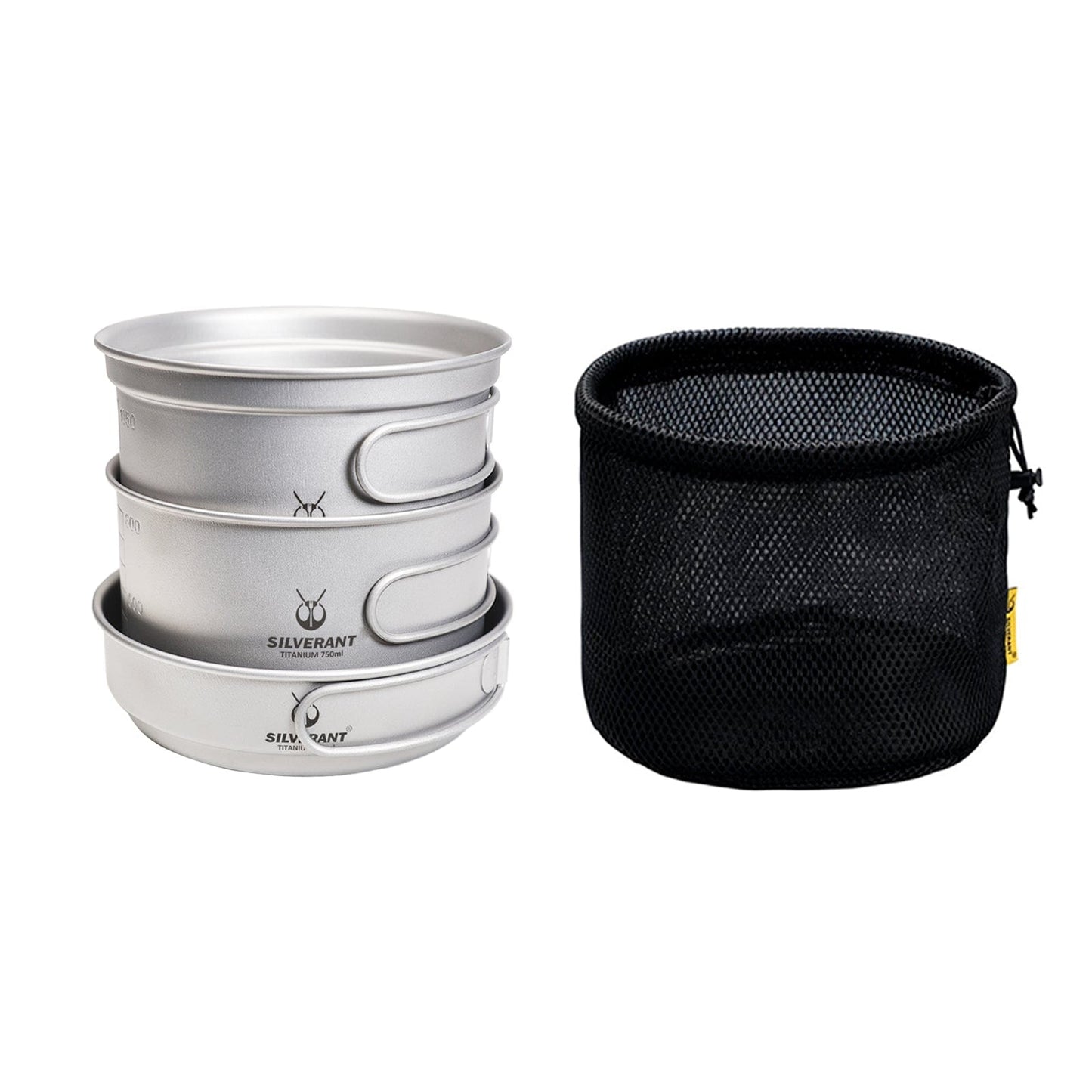
A typical backpacking cook setup includes a 750ml pot, a small stove, and a spork. Comparing a carbon fiber version to one made of titanium shows a noticeable difference in material. The carbon fiber feels lighter, almost insubstantial, which is a key point in the debate for thru-hikers.
Both materials are sought after for their low weight, but they approach the problem differently. Titanium achieves lightness through a strong, yet relatively dense metal. Carbon fiber, on the other hand, prioritizes minimizing material altogether, relying on its exceptional strength-to-weight ratio. This means thinner walls and simpler designs. The trade-off is clear: titanium offers a degree of ruggedness that carbon fiber currently struggles to match, while carbon fiber relentlessly pursues absolute weight savings.
The choice often comes down to prioritizing durability versus shaving every possible ounce. For hikers covering thousands of miles, weighing the risk of damage against the benefits of a lighter pack is a constant calculation. It’s a question of how much you value a few extra grams versus the peace of mind that comes with a more robust cook kit.
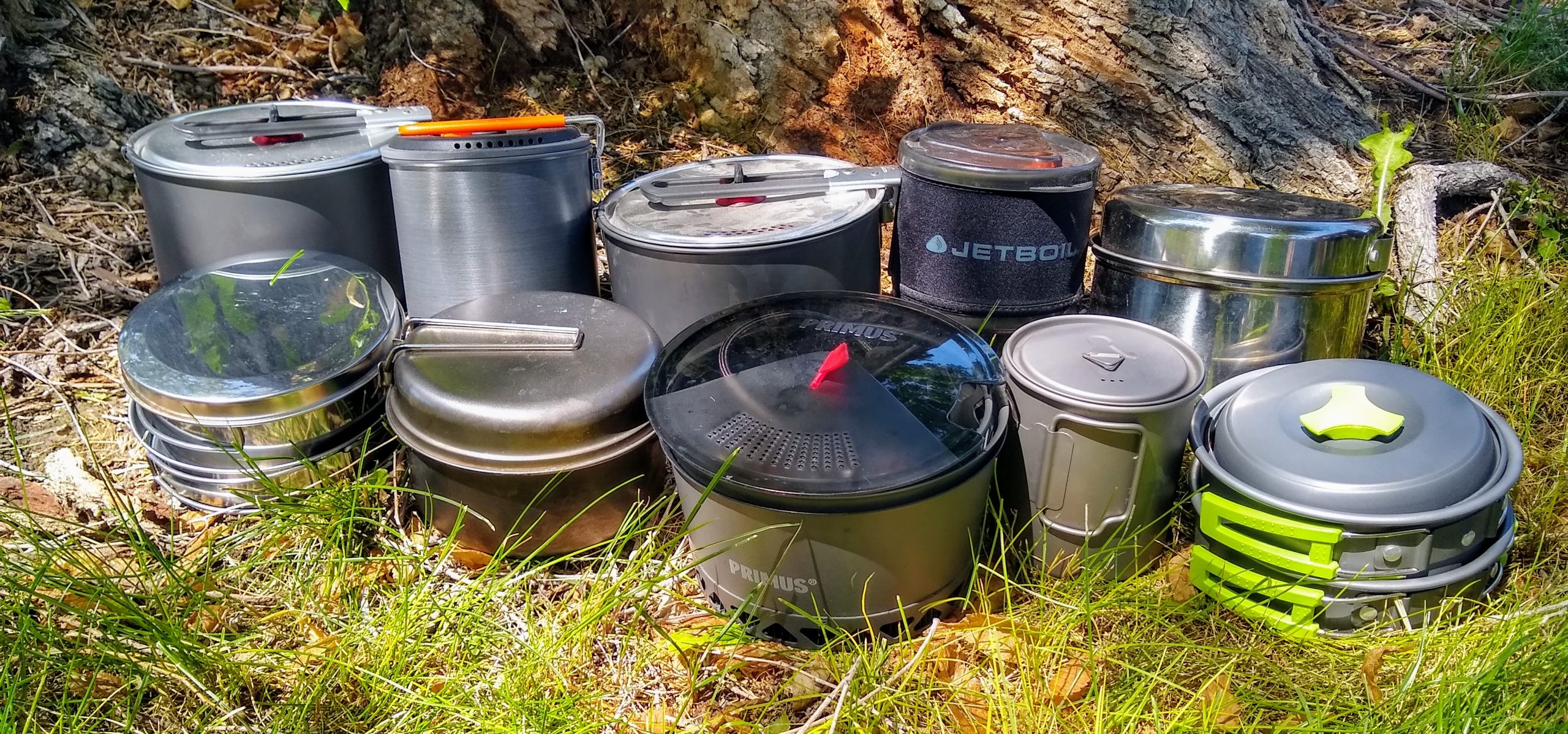
Weight Breakdown: 2026 Cookware Ranges
Weight is the primary driver for choosing ultralight cookware. In 2026, carbon fiber manufacturing techniques are improving, leading to more competitive weights. However, carbon fiber weights can vary significantly based on the layup and resin used.
Titanium cookware, while consistently reliable, has a more established weight range. A 750ml titanium pot typically weighs between 3.5 and 5 ounces, depending on wall thickness and features like folding handles. A titanium spork usually falls in the 0.6 to 1.0 ounce range. Pans are heavier, naturally, ranging from 4 to 7 ounces for a small frying pan.
Carbon fiber is closing the gap. Current projections for 2026 show 750ml carbon fiber pots weighing between 2.8 and 4.0 ounces. The lower end of that range is achievable with simpler designs and careful material selection. Carbon fiber sporks are incredibly light, often coming in under 0.5 ounces. However, achieving lightweight carbon fiber pans is more challenging; expect weights between 3 and 5 ounces, but with more variability.
It’s crucial to note that these are ranges, and the specific weight will depend on the manufacturer and the design. Carbon fiber manufacturing is still less standardized than titanium, so you'll find more variation between brands. The most significant improvements in carbon fiber weights are expected in larger pot sizes, where the weight savings are most noticeable.
- 750ml Titanium Pot: 3.5 - 5 ounces
- Titanium Spork: 0.6 - 1.0 ounce
- Small Titanium Pan: 4 - 7 ounces
- 750ml Carbon Fiber Pot (2026 projection): 2.8 - 4.0 ounces
- Carbon Fiber Spork: Under 0.5 ounce
- Carbon Fiber Pan (2026 projection): 3 - 5 ounces
Ultralight Titanium vs Carbon Fiber Cookware: 2026 Weight Comparison for Thru-Hikers
| Item | Titanium Weight Range (grams) | Carbon Fiber Weight Range (grams) | Notes |
|---|---|---|---|
| 750ml Pot | 65-95 | 40-60 | Carbon fiber weights vary significantly by manufacturer and construction method. |
| 1L Pot | 80-120 | 50-75 | Titanium pot weights tend to be more consistent across brands. |
| Spork | 12-18 | 8-14 | Carbon fiber sporks often utilize a composite construction. |
| Frying Pan (small, ~15cm diameter) | 90-140 | 60-90 | Larger diameter carbon fiber pans may not offer significant weight savings. |
| Small Saucepan (500ml) | 70-100 | 45-65 | Carbon fiber can be more susceptible to damage from direct flame. |
| Lid (for 750ml/1L Pot) | 20-30 | 10-20 | **Largest weight difference observed**; carbon fiber lids are significantly lighter. |
| Mug (350ml) | 50-70 | 30-50 | Carbon fiber mugs may require more robust coatings for heat resistance. |
Illustrative comparison based on the article research brief. Verify current pricing, limits, and product details in the official docs before relying on it.
Durability: Where Titanium Still Wins
Titanium is the more durable material. A thru-hike is a harsh environment, and your cook kit will take a beating. Abrasion from rocks and sand, accidental impacts, and expansion/contraction from heating and cooling cycles contribute to wear and tear. Titanium handles these stresses well due to its toughness and resistance to corrosion.
Carbon fiber, while strong for its weight, is more susceptible to impact and abrasion damage. A sharp rock or dropped pan can cause cracking or delamination. Minor scratches might not immediately compromise integrity, but they can create weak points that lead to failure. Repeated heating and cooling, especially with rapid temperature changes, can also fatigue the carbon fiber matrix.
Damaged titanium cookware can often be repaired with basic tools. Dents can be hammered out, and minor cracks welded. Carbon fiber is much harder to repair effectively. Epoxy resins can patch cracks, but the repair is rarely as strong as the original material. Extensive damage usually requires replacing the piece, a significant consideration for long-distance hikers with limited resupply options.
Carbon Fiber’s Advantages: Beyond Just Weight
Carbon fiber offers performance advantages beyond just being lighter. Its superior heat transfer means it heats up faster and more evenly than titanium, requiring less fuel to boil water or cook. This is a significant advantage on longer trips where fuel efficiency is critical.
Carbon fiber has a naturally non-stick surface. Titanium requires a coating (which can wear off) or careful seasoning to prevent sticking, but carbon fiber inherently resists adhesion. This makes cleanup easier, especially when water is scarce. Carbon fiber can be more prone to scratching, so using wooden or plastic utensils is recommended.
Some carbon fiber cookware is designed with unique shapes and features to maximize heat retention and minimize weight. Carbon fiber's design flexibility allows manufacturers to create innovative solutions not possible with titanium. However, more complex designs have more potential points of failure.
Top 2026 Ultralight Cookware Picks
The right cookware depends on your needs and priorities. Here are a few standout options for 2026, covering a range of price points and materials. These picks prioritize packability, ease of cleaning, and versatility, features essential for thru-hikers.
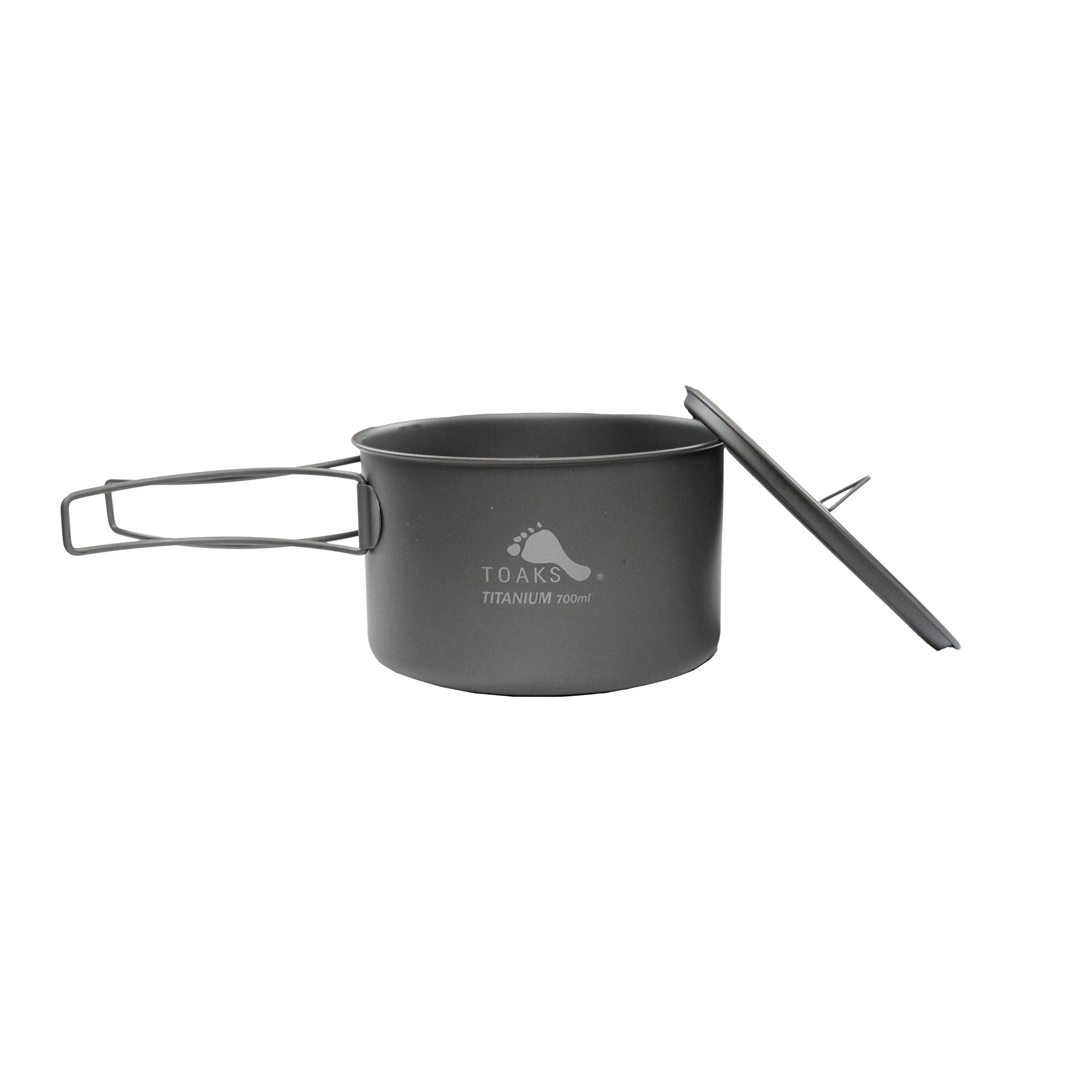
Toaks Titanium 700ml Pot: (Around $60) A classic choice for titanium enthusiasts. It’s lightweight, durable, and has a simple, functional design. Toaks is known for consistent quality and reasonable prices. It’s a reliable workhorse that will last for years.
Sea to Summit Alpha Light Spork: ($20) A perennial favorite. This spork is incredibly light and durable, made from aircraft-grade aluminum. It’s a simple, effective utensil. Sea to Summit consistently delivers well-designed, functional gear.
Firebox Nano Stove: ($100) While not cookware itself, this titanium wood-burning stove pairs well with titanium or carbon fiber pots. Its compact size and efficient design make it a popular choice for hikers who prefer to cook with found fuel.
WilderNest Carbon Fiber 800ml Pot: ($140) A leading example of carbon fiber cookware. It’s exceptionally light and heats up quickly. WilderNest focuses solely on carbon fiber cookware, showing a commitment to the material.
Solara Ultralight Carbon Fiber Cookset: ($220) A complete cookset including a pot, lid, and spork. Solara aims for the highest weight savings, making this set ideal for ultralight purists. It's a significant investment, but the weight savings are substantial.
BroncoLab Titanium Cook Pot: ($50) A good budget-friendly option that still delivers on titanium's weight savings. BroncoLab is popular for its innovative designs that don’t break the bank.
Vargo Titanium Arc Diverter: ($35) This little piece of titanium is used to help direct the flame of your stove, ensuring more efficient heating. A small weight to add, but it can make a difference when trying to conserve fuel.
Ultralight Cookware Showdown: Titanium vs. Carbon Fiber for Thru-Hikers

Ultralight titanium construction · 750ml capacity · Compact and durable design
A foundational piece for ultralight cooking, offering excellent heat distribution and minimal weight.

Titanium construction for durability and lightness · 900ml capacity · Folding handles for compact storage
Provides a slightly larger capacity than the TOAKS pot while maintaining a very low weight, ideal for slightly more substantial meals.
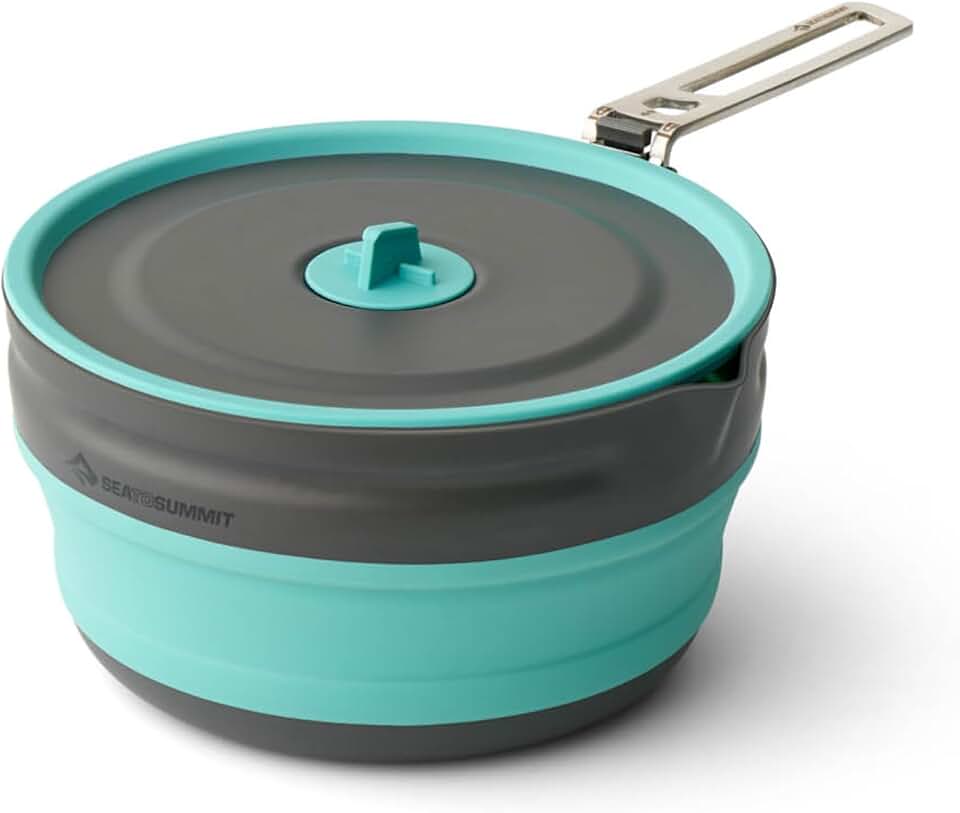
Nylon base with a BPA-free, heat-resistant silicone sidewall · 2.2 Liter capacity · Collapsible design for space-saving
This pot offers a larger capacity and innovative collapsible design, balancing volume with packability for longer trips.

Made from durable, lightweight titanium · Multi-functional spork design · Compact and portable for easy packing
An essential ultralight utensil that combines spoon and fork functionality, minimizing the need for separate cutlery.
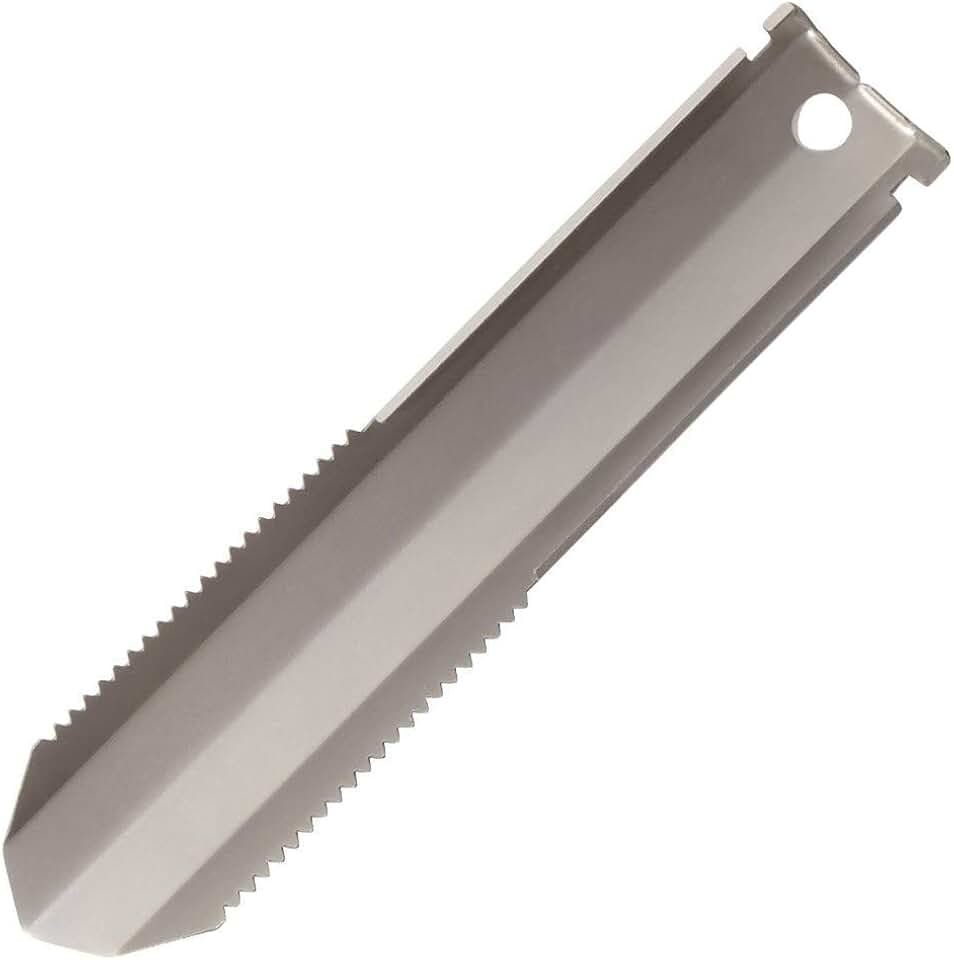
Constructed from strong, lightweight titanium · Functions as a trowel and tent stake · Compact and essential for Leave No Trace principles
A critical ultralight tool for responsible outdoor practices, doubling as a tent stake for added versatility.
As an Amazon Associate I earn from qualifying purchases. Prices may vary.
High Altitude Cooking: Material Performance
Altitude introduces unique challenges for cooking. Lower air pressure reduces boiling points, meaning water boils at a lower temperature. This can affect cooking times and require adjustments to recipes. Whether titanium or carbon fiber performs significantly better at higher elevations is debatable. Both materials are affected by the lower boiling point.
However, carbon fiber's superior heat transfer might offer a slight advantage. Its ability to heat up quickly and evenly could help compensate for the reduced heat transfer efficiency at higher altitudes. The shape of the cookware also plays a crucial role. Pots with a wider base and taller sides are generally more efficient at retaining heat and transferring it to the contents, regardless of the material.
Wind is another significant factor at altitude. A windscreen is essential for maximizing cooking efficiency, and the design of the cookware can influence how effectively the windscreen protects the flame. Lower profile pots tend to be less affected by wind than taller, narrower ones. Ultimately, proper technique and a good windscreen are more important than the material of the cookware when cooking at high altitude.
Cost Comparison & Long-Term Value
Carbon fiber cookware generally commands a higher price tag than titanium. A comparable 750ml pot can cost anywhere from $80 to $150 for carbon fiber, while a titanium pot typically ranges from $50 to $80. This price difference reflects the more complex manufacturing processes and the higher cost of raw materials associated with carbon fiber.
The question is whether the weight savings are worth the extra expense. If you're meticulously counting grams and every ounce matters, carbon fiber might be a worthwhile investment. However, if durability is your primary concern, titanium offers a more cost-effective solution. Consider the potential cost of replacing damaged carbon fiber cookware versus the likelihood of damaging titanium.
Over the long term, the value proposition becomes more complex. If carbon fiber cookware lasts for the duration of your thru-hike without sustaining significant damage, the weight savings might justify the higher initial cost. But if it cracks or delaminates, you’ll be forced to replace it, potentially in a remote location. Titanium, while heavier, is more likely to withstand the rigors of a long-distance hike.
Community Thoughts: Thru-Hiker Feedback
Online forums and backpacking groups are filled with discussions about titanium versus carbon fiber cookware. The consensus is that titanium remains the more popular choice, primarily due to its proven durability. However, carbon fiber is gaining traction among ultralight enthusiasts willing to accept the risk of potential damage.
One hiker on Reddit commented, “I went with titanium for my thru-hike of the PCT. I didn’t want to worry about babying my cook pot. A few dents are fine, but a crack would have ruined my trip.” Another hiker, experimenting with carbon fiber, noted, “The carbon fiber pot boils water noticeably faster, but I’m always a little nervous about dropping it.”
The general sentiment is that carbon fiber is best suited for experienced backpackers who are meticulous about their gear and willing to accept the trade-offs. For those new to backpacking or prioritizing durability, titanium remains the safer and more reliable option. The conversation is ongoing, and as carbon fiber technology continues to evolve, we can expect to see more hikers experimenting with this lightweight material.


No comments yet. Be the first to share your thoughts!