

Beyond the Flame: Smart Stoves Emerge
Camping stoves used to be simple: a burner, fuel, and a way to boil water. Now, smart camping stoves offer precision, control, and connectivity, extending kitchen convenience to the outdoors.
The main benefit is unprecedented control. Adjust temperatures precisely, manage the flame remotely, and monitor fuel levels via a smartphone app. This means safer, more efficient, and relaxed cooking, without constantly hovering over the burner.
The market is young but growing. Traditional propane and butane stoves from brands like Coleman once dominated. Compact canister stoves followed. Now, companies like Camp Chef are integrating smart technology, while others build connectivity in from the start. This shift could redefine outdoor cooking.
Key Players & Current Models
Camp Chef is a major player. Their Pro 14 stove offers high heat output, with one YouTube user comparing it favorably to home gas ranges. They offer systems with multiple burners and griddles, all controllable via Bluetooth. The Camp Chef Connect app lets users adjust flame settings and monitor performance.
Other brands are exploring smart features. Some stoves have digital displays with temperature readouts and timers, even without full app integration. Smaller companies are experimenting with app-connected stoves for niches like ultralight backpacking or RV cooking, though information is often limited.
Fuel type is a differentiator. Camp Chef uses propane for consistent heat. Other stoves use lighter, more compact butane or isobutane canisters, which can be less effective in cold weather. Some models handle multiple fuel types for flexibility. Consider your typical camping environment when choosing.
Fully featured smart stoves cost more than traditional ones. The added technology comes at a price, but the convenience and precision might be worth it for some users.
App Features: What Can You Control?
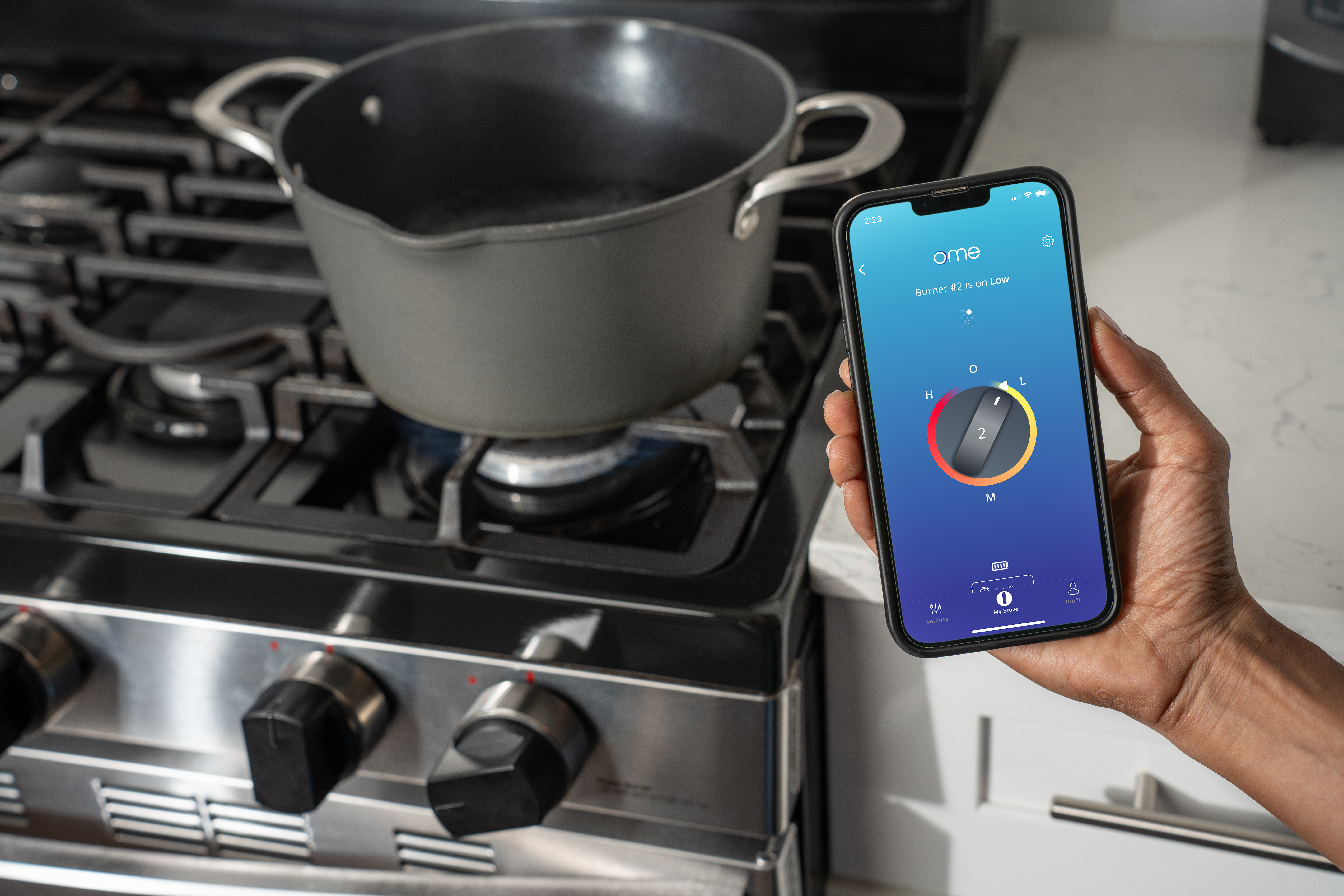
The app is central to a smart stove. Common features include remote flame adjustment, precise temperature control, and timers. Dialing in specific temperatures for simmering or slow-cooking is a big advantage. Fuel level monitoring helps you avoid running out mid-meal.
Safety alerts are common. Some apps notify you of potential issues like carbon monoxide buildup or gas leaks, adding security, especially in enclosed spaces. These alerts don't replace common sense and proper ventilation.
User experience is critical. A clunky or unstable app can negate a smart stove's benefits. The Camp Chef Connect app has mixed reviews regarding functionality and connectivity. A stable Bluetooth connection is essential, and some features may require a strong phone signal.
Data collection is a consideration. Some apps collect cooking habit data for product improvement or personalization. Be aware of the privacy implications and understand what data is collected.
- Remote flame adjustment
- Precise temperature control
- Timers
- Fuel level monitoring
- Safety alerts (carbon monoxide detection)
Fuel Efficiency & Performance
Smart stoves might save fuel. Precise temperature control prevents overheating and wasted fuel, reducing the chance of scorching meals. However, the electronics consume power, so net savings may be modest. Definitive fuel savings are not yet quantified.
Performance in different weather conditions matters. Traditional stoves struggle in wind, causing uneven heating and higher fuel use. Some smart stoves have wind guards. Cold weather affects butane/isobutane canisters more than propane.
Altitude impacts any camping stove. Higher elevations lower the boiling point of water, affecting cooking times. Some smart stoves offer altitude compensation, but it's not common. Adjust cooking techniques for high altitudes.
Anecdotal evidence suggests propane stoves with precise control offer more efficient cooking overall, but standardized testing is needed for definitive comparisons.
Safety & Reliability Considerations
Safety is paramount. Smart stoves have safeguards like automatic shut-off if tipped or if a flame goes out. Carbon monoxide detection alerts you to dangerous levels of the odorless gas. These features aren't foolproof; always follow safe cooking practices.
Reliability is a concern. If the app crashes or Bluetooth drops, most smart stoves still function manually, though losing app control can be frustrating for precise settings. The stove's durability for outdoor use is also important.
Potential vulnerabilities exist. A compromised app or firmware flaw could theoretically allow remote control, though this is unlikely. Manufacturers must address this. Regularly update the app and firmware to mitigate risks.
When choosing a smart stove, look for robust construction, redundant safety features, and a reliable app. Read user reviews for long-term performance insights.
Price Points & Value
Smart camping stoves cost more than traditional ones. Entry-level models start around $150, with high-end options exceeding $400. Traditional stoves can be found for as little as $50. Consider if the added functionality justifies the expense.
Ownership costs include fuel, accessories (wind guards, cases), and potential repairs. Smart stoves may also need software updates, which could use data or require internet.
Long-term value is uncertain as technology evolves rapidly. These stoves could become obsolete, or their value could increase if technology improves and integrates further into outdoor experiences.
The value is subjective. Serious outdoor cooks valuing precision and convenience might find them worthwhile. Casual campers needing only to boil water may prefer a traditional stove.
Standout Models: A Closer Look
The Camp Chef Pro 14 stands out for its sheer power and versatility. It’s a propane stove, offering consistent heat even in cold weather. The ability to connect to the Camp Chef Connect app provides remote control and monitoring, but the app’s reliability is a common concern in user reviews. This is a great option for groups or anyone who enjoys cooking elaborate meals outdoors.
Another option to consider is the Camp Chef Everest. This stove is designed for backpacking, prioritizing compactness and lightweight design. While it doesn’t offer the same level of power as the Pro 14, it still provides precise temperature control through the app. Users appreciate its portability, but some have noted that the app can be finicky.
For those seeking a more minimalist approach, exploring options with integrated digital displays—even without full app connectivity—can be a good compromise. These stoves often offer precise temperature readouts and timers without the complexities of Bluetooth and smartphone integration. They offer a step up from traditional stoves without the full commitment of a 'smart' system.
The Future of Outdoor Cooking
The future of smart camping stoves is likely to be shaped by several emerging technologies. Integration with other smart devices, such as weather stations and GPS trackers, could provide even more personalized cooking experiences. AI-powered cooking recommendations, based on your location, weather conditions, and dietary preferences, are also a possibility.
Improved connectivity will be crucial. The expansion of 5G and satellite internet will make it easier to stay connected in remote areas, enabling real-time data sharing and remote control. Self-cleaning features, using advanced materials and coatings, could reduce the hassle of maintaining the stove.
We might also see more sophisticated safety features, such as automatic fuel shut-off valves and advanced carbon monoxide sensors. The development of more efficient and sustainable fuel sources is another important area of innovation. Ultimately, the goal is to create a seamless and intuitive outdoor cooking experience that is both safe and enjoyable.
While the current generation of smart camping stoves is still in its early stages, the potential is enormous. As the technology matures and becomes more affordable, it’s likely to become an increasingly popular choice for outdoor enthusiasts.



No comments yet. Be the first to share your thoughts!