

Beyond Plastic: Rethinking Your Camp Kitchen
Campground trash cans are often overflowing with plastic bottles and fuel canisters. Most camping gear is built for convenience, which usually means it's disposable. I've found that shifting to a zero-waste setup isn't about being perfect; it's just about choosing gear that doesn't end up in a landfill after one season.
Swapping single-use plastics for durable materials is the easiest place to start. If we want to keep trails clean, we have to stop bringing trash into the woods in the first place. Here is how I've rebuilt my kitchen kit to be almost entirely reusable.
I believe that a sustainable camp kitchen doesn't mean sacrificing convenience or performance. In fact, often it means investing in higher-quality gear that will last longer and enhance your overall experience. We'll cover the tools you need and how to use them responsibly, helping you enjoy the outdoors with a clear conscience.
cookware that lasts
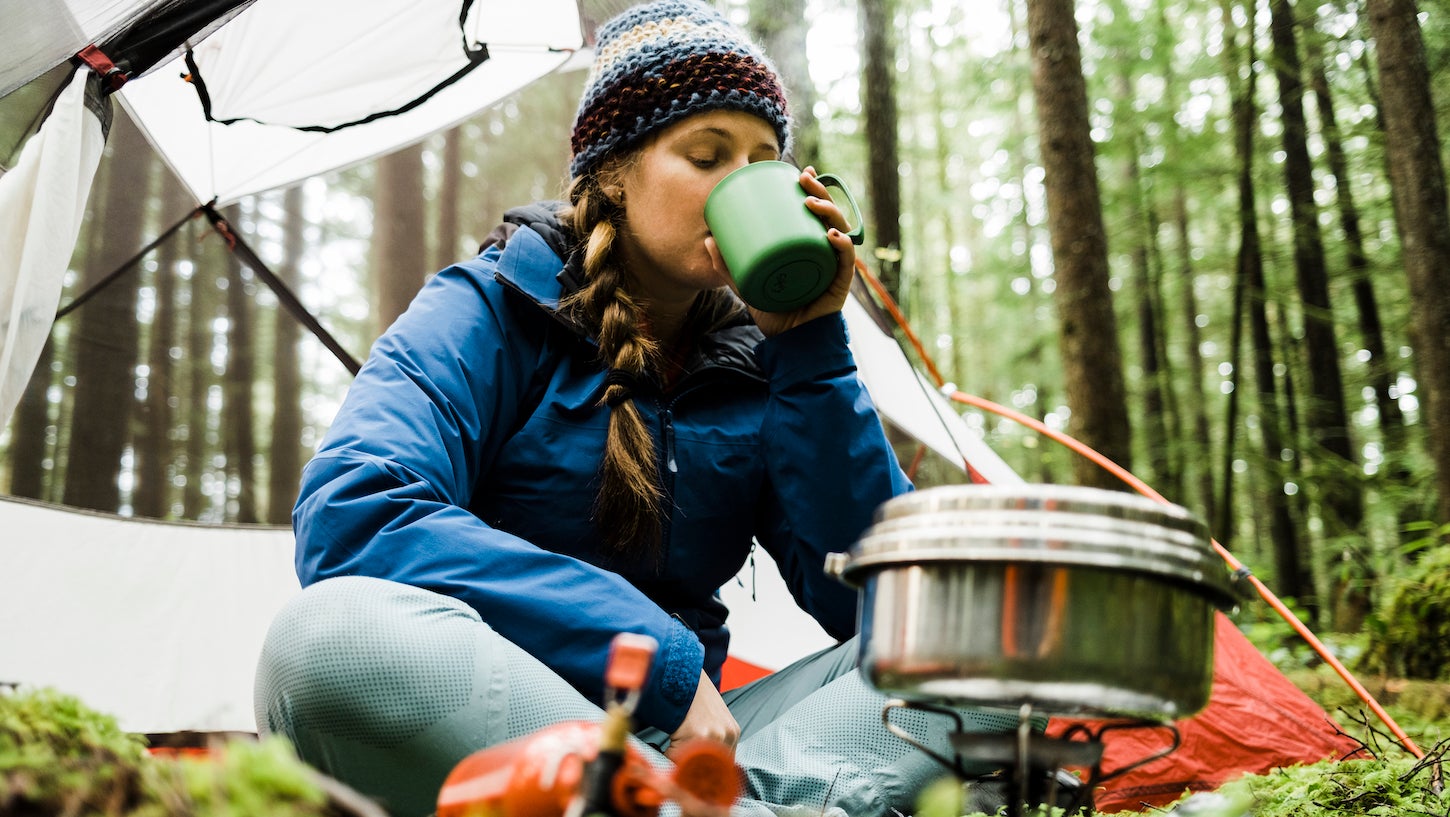
When it comes to cookware, the material is a big factor in both sustainability and performance. Titanium frequently comes up as a strong contender because it’s incredibly lightweight, durable, and – importantly – recyclable. It doesn't impart flavors into food and holds up well to repeated use. Stainless steel is another good option; it’s also durable and recyclable, but it’s generally heavier than titanium.
Aluminum is light, but it's rarely as durable as steel. I avoid non-stick coatings like PTFE or PFOA entirely. These chemicals flake off into your food and the manufacturing process is toxic. The easy cleanup isn't worth the health trade-off.
Cast iron is incredibly durable and can last a lifetime, but its weight is a significant drawback for backpacking. It's also prone to rusting if not properly maintained. However, if you’re car camping or doing shorter trips, cast iron can be a fantastic, sustainable option. Performance at altitude also matters – thinner materials heat up faster, which is useful at higher elevations where boiling points are lower. Titanium and thinner stainless steel options excel here.
stoves and fuel efficiency
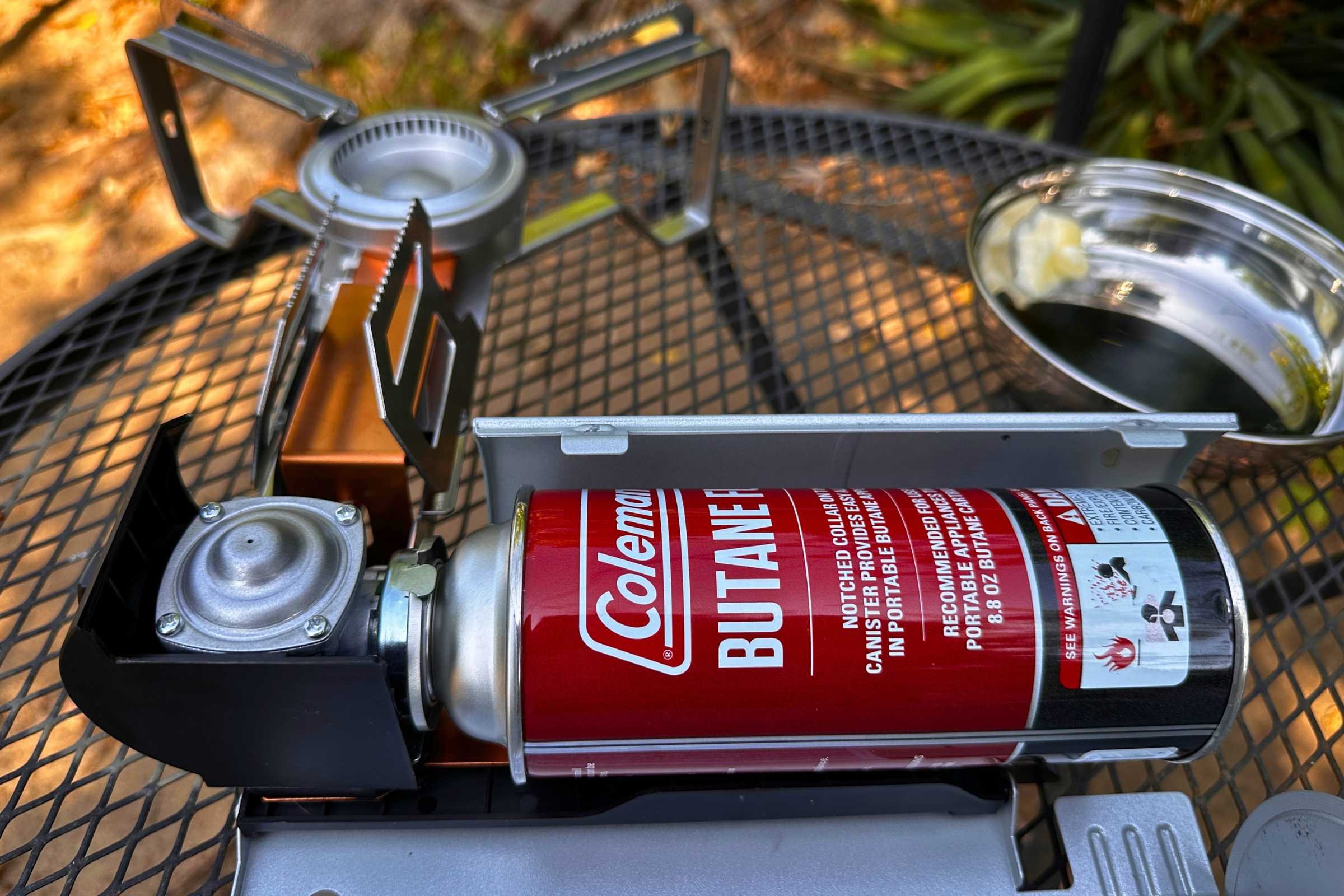
Your stove choice is the biggest waste factor. Standard isobutane canisters are a nightmare to recycle and usually end up in the trash. I prefer liquid fuel stoves for longer trips because you can refill the same bottle for years, even if white gas is still a petroleum product.
Alcohol stoves often get overlooked, but they have some serious advantages. They're incredibly simple, reliable, and can run on denatured alcohol, which is readily available and burns relatively cleanly. While they aren’t the fastest boiling option, they’re lightweight and require minimal maintenance. The carbon footprint of different fuels is complex, but generally, renewable sources like denatured alcohol have a lower impact than fossil fuels.
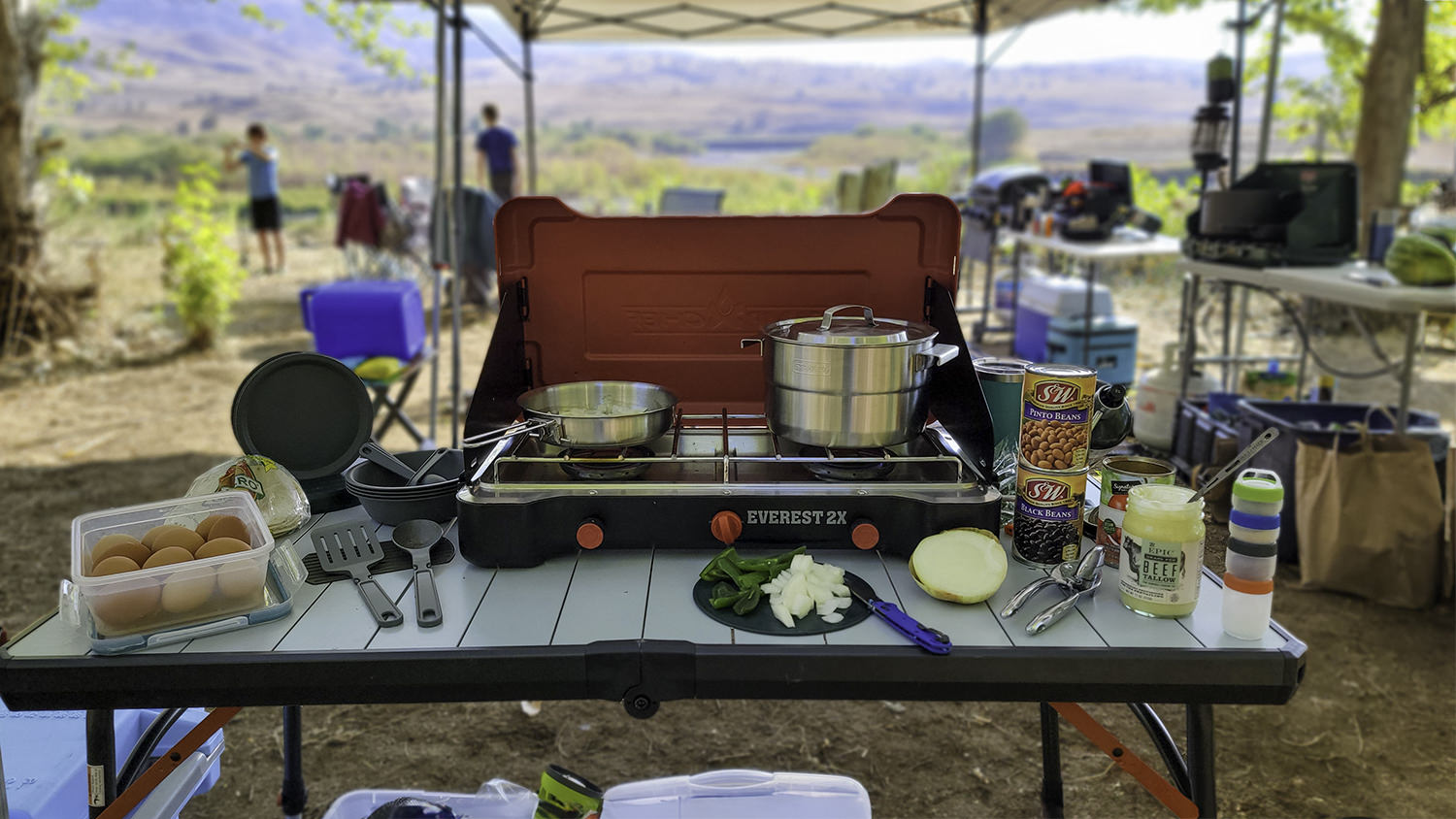
Stove efficiency is also key. A more efficient stove uses less fuel to accomplish the same task, reducing your overall consumption. Wood-burning stoves are tempting, but they often violate Leave No Trace principles if not used responsibly. Fire safety is paramount, and gathering wood can impact fragile ecosystems. If you choose to use a wood-burning stove, be sure to check local regulations and practice responsible fire management.
Here's a quick comparison of common stove types:
- Canister stoves: Easy to use but create metal waste that most centers won't take.
- Liquid Fuel Stoves: Perform well in cold, use petroleum-based fuel.
- Alcohol Stoves: Simple, reliable, runs on denatured alcohol.
- Wood-Burning Stoves: Requires responsible use and adherence to Leave No Trace.
Backpacking Stove Comparison: Environmental Impact & Performance
| Stove Type | Environmental Impact | Fuel Availability | Weight | Cold Weather Performance | Ease of Use |
|---|---|---|---|---|---|
| Canister Stoves | Moderate. Cartridge waste is a concern, though some recycling programs exist. Production of canisters also has an environmental footprint. | Widely available in many countries, but can be difficult to find in remote locations. | Lightweight (typically 2-6 oz for stove only) | Generally good, but efficiency decreases significantly in very cold temperatures. | Very easy. Simple to operate, quick to set up. |
| Liquid Fuel Stoves | Moderate. Fuel is reusable, but production and transportation of fuel have environmental impacts. Potential for spills. | Good. White gas is relatively available globally, though regulations may vary. | Heavier (typically 8-16 oz) | Excellent. Performs reliably in cold and windy conditions. | Requires priming and maintenance; moderate learning curve. |
| Alcohol Stoves | Low. Fuel (denatured alcohol) is relatively benign and biodegradable, though production still has an impact. | Fair. Denatured alcohol is available in many locations, but may require searching. | Ultralight (typically 1-3 oz) | Poor. Efficiency drops dramatically in cold weather and wind. | Simple, but requires careful handling of flammable fuel. |
| Wood-Burning Stoves | Potentially Low. Utilizes readily available resource, minimizing fuel transport. However, impacts local ecosystems if wood is unsustainably harvested. | Excellent, where wood is legally and sustainably available. | Lightweight to Moderate (typically 4-12 oz) | Good, if sufficient dry wood is available. Can be affected by wet conditions. | Requires skill in finding and preparing fuel; can be smoky. |
| Integrated Canister Stoves | Moderate. Shares the canister waste concerns of standard canister stoves, but often more efficient. | Same as canister stoves. | Lightweight (typically 3-8 oz) | Similar to canister stoves, but integrated designs may offer some wind protection. | Easy, often with features like piezo ignition. |
Illustrative comparison based on the article research brief. Verify current pricing, limits, and product details in the official docs before relying on it.
Dishwashing Without the Waste
Dishwashing in the backcountry requires a bit of extra thought. Traditional dish soaps often contain phosphates and other harmful chemicals. Look for biodegradable options specifically formulated for outdoor use. Dr. Bronner’s Pure-Castile Soap is a popular choice, as it’s plant-based and biodegradable, but be sure to use it sparingly and follow Leave No Trace guidelines.
Sponges are another source of plastic waste. Swap them out for natural alternatives like loofahs or coconut scrubbers. Reusable silicone scrubbers are also a good option, but they’re not biodegradable. The key is to choose something that will last and can be cleaned thoroughly. Properly dispersing greywater is crucial – it should be at least 200 feet from any water source.
I'm a big believer in the "scrapless" method. By minimizing food waste in the first place, you significantly reduce the amount of dishwashing required. Plan your meals carefully, eat everything you prepare, and pack out any leftovers. Proper cleaning and maintenance of your dishwashing tools – letting them dry completely and storing them properly – will extend their lifespan.
ditching ziplocs for good
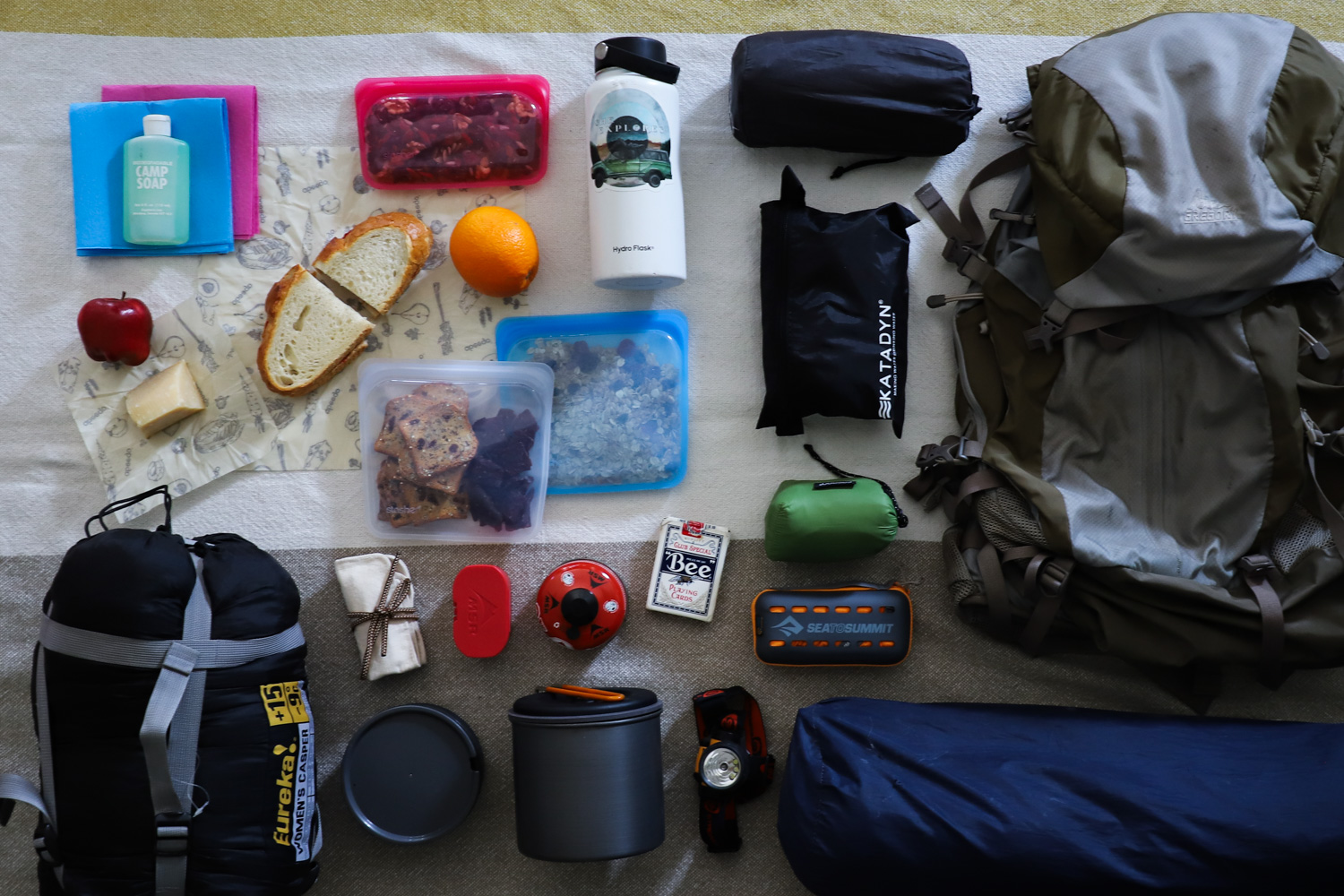
Ziploc bags are a major source of plastic waste in the backcountry. Fortunately, there are plenty of reusable alternatives. Silicone bags are a popular choice – they’re flexible, lightweight, and can be used for a variety of purposes. However, they can be expensive. Beeswax wraps are a great option for wrapping sandwiches, cheese, or fruit; they’re made from natural materials and are compostable.
Glass containers are durable and don’t impart flavors, but they’re heavy and can break. They are best suited for car camping or shorter trips. Efficient packing is essential for minimizing waste and maximizing space. Pre-portion your meals, remove excess packaging, and consolidate ingredients. In bear country, always use a bear-resistant container to protect your food and the wildlife.
I’ve found that a combination of silicone bags, beeswax wraps, and lightweight containers works best for me. It’s about finding what suits your needs and preferences. Remember to clean your food storage containers thoroughly after each use to prevent odors and contamination.
my 2026 gear kit
After testing a lot of gear, here are a few items that really stand out for their eco-friendliness and performance. For cookware, the Toaks Titanium 750ml Pot ($65 at Toaks) is a fantastic option – lightweight, durable, and perfect for solo backpacking. It’s a solid investment that will last for years.
In the stove category, the Brunton Vapor Stove ($40 at Brunton) is a reliable and affordable alcohol stove. It’s simple to use and can run on readily available denatured alcohol. It's not the fastest burner, but its simplicity is a huge plus. For food storage, I’m really impressed with the Stasher Bags (starting at $12 at Stasher). These silicone bags are incredibly versatile and durable, and they're a great alternative to Ziploc bags.
Finally, the GSI Outdoors FairShare Trekker ($30 at GSI Outdoors) is a great set of reusable utensils for two people. They're lightweight and made from durable, BPA-free plastic. These aren't necessarily cutting-edge innovations, but they represent solid choices for building a sustainable kit. I'm keeping an eye on new developments in biodegradable plastics for food storage, as that's an area where there's still a lot of room for improvement.
No comments yet. Be the first to share your thoughts!