

Quick picks for ultralight cookware
Choosing the right ultralight backpacking cookware depends on how many people you’re feeding and how much weight you’re willing to carry. The options below represent the current best-in-class for solo, duo, and group trips, prioritizing weight-to-performance ratios over flashy features.
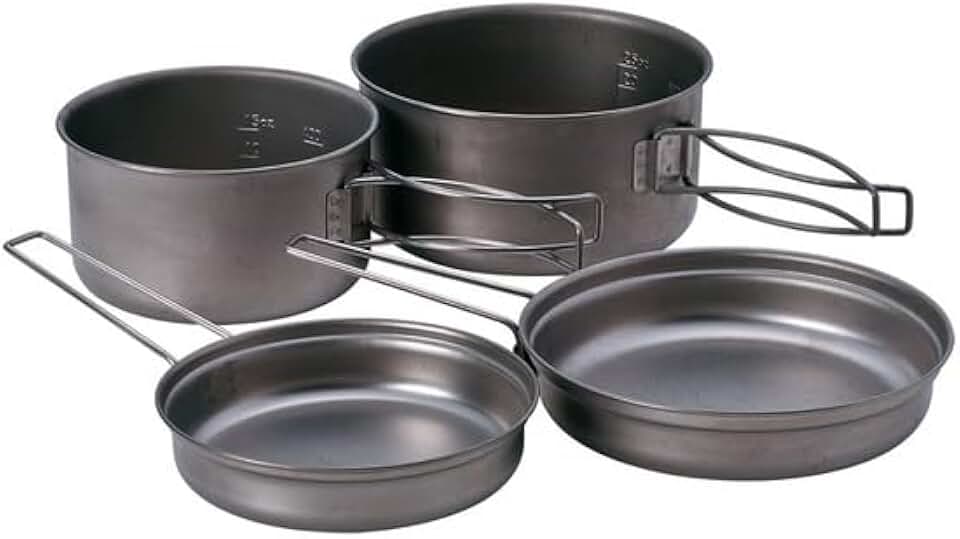
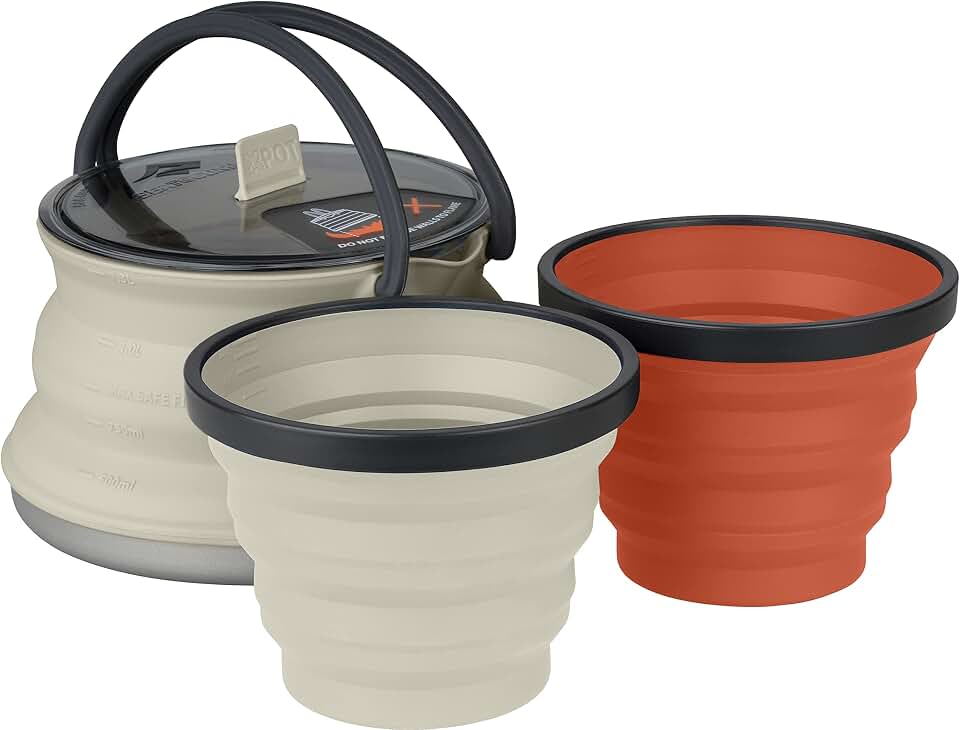
For solo adventurers, the Evernew Pasta Pot 1L offers an exceptional balance of usability and cooking performance in a remarkably light package. If you prefer titanium for its durability and heat efficiency, the Snow Peak Multi Compact Cookset is a top contender that scales well for two. Larger groups should look at the Sea to Summit X-Pot, which provides ample capacity without the bulk of traditional camping pots.


As an Amazon Associate, we may earn from qualifying purchases.
Titanium pots vs. aluminum heat exchangers
Choosing between titanium and aluminum heat exchanger pots comes down to two competing priorities: absolute weight savings versus cooking speed. Titanium is the material of choice for ultralight purists who want the lightest possible gear, while aluminum heat exchangers are designed for those who prioritize fast boil times and fuel efficiency.
Titanium: Durability Meets Minimalism
Titanium pots, such as those from TOAKS Outdoor or Snow Peak, are prized for their exceptional strength-to-weight ratio. A titanium pot typically weighs significantly less than an aluminum equivalent of similar capacity. They are also highly corrosion-resistant and do not retain flavors, making them ideal for long-term use. However, titanium is a poor conductor of heat. This means it takes longer to boil water and requires more fuel, especially in windy or cold conditions. The trade-off is clear: you save ounces on your back but pay for them in time and fuel.
Aluminum Heat Exchangers: Speed and Efficiency
Aluminum heat exchangers, like the MSR WindBurner system or similar designs from Alpine Alchemy, use a finned structure to maximize surface area. This design allows heat to transfer rapidly from the stove to the water, resulting in much faster boil times. These pots are generally more fuel-efficient than plain titanium pots, which can be a significant advantage on long trips where fuel weight matters. They are slightly heavier than titanium pots but offer a better balance of speed and weight for most backpackers.
Side-by-Side Comparison
The table below compares the key metrics of typical titanium and aluminum heat exchanger pots to help you decide which fits your style.
| Feature | Titanium Pot | Aluminum Heat Exchanger |
|---|---|---|
| Weight | Lightest (e.g., ~100g for 750ml) | Moderate (e.g., ~250-350g for system) |
| Boil Time | Slower (poor heat conductivity) | Fast (optimized heat transfer) |
| Fuel Efficiency | Lower (more fuel needed) | Higher (less fuel needed) |
| Durability | High (scratch and corrosion resistant) | Moderate (can dent, anodized finish) |
| Price Tier | Premium | Mid to Premium |
Best solo cookware systems
For single hikers, the goal is usually to shave every gram while retaining the ability to cook a simple meal without hassle. The best solo systems integrate tightly with small canister stoves, often nesting directly into the fuel canister or pot lid to minimize pack bulk. We evaluated these kits based on material durability, heat distribution, and how well they handle the specific demands of backcountry cooking.
Snow Peak Multi Compact Cookset
The Snow Peak Multi Compact Cookset remains a top choice for those who prioritize premium materials and compact design. Built from titanium, it offers exceptional strength-to-weight ratio and corrosion resistance. The set typically includes a pot, lid, and folding handles, allowing it to nest securely with compatible Snow Peak stoves. While it commands a higher price point, the longevity and minimal weight make it a staple for serious ultralight backpackers.
MSR Alpine Kit
MSR’s Alpine Kit is designed for efficiency and ease of use. It features anodized aluminum pots that heat up quickly and distribute heat evenly, reducing fuel consumption. The kit often includes a folding handle and a lid that doubles as a plate, streamlining the cooking process. Its robust construction stands up to rough handling, making it a reliable option for those who prefer durable, time-tested gear over the absolute lightest options.
TOAKS Titanium Cookware
TOAKS has gained a strong following among ultralight enthusiasts for its minimalist titanium pots and pans. These items are often sold separately, allowing hikers to curate a system that fits their exact caloric needs. A 750ml TOAKS pot weighs less than 3 ounces, leaving ample room in the pack for food. The titanium construction ensures it will last for years without degrading, though users should be mindful that titanium conducts heat unevenly and requires careful stirring to prevent hot spots.
Evernew Pasta Pot
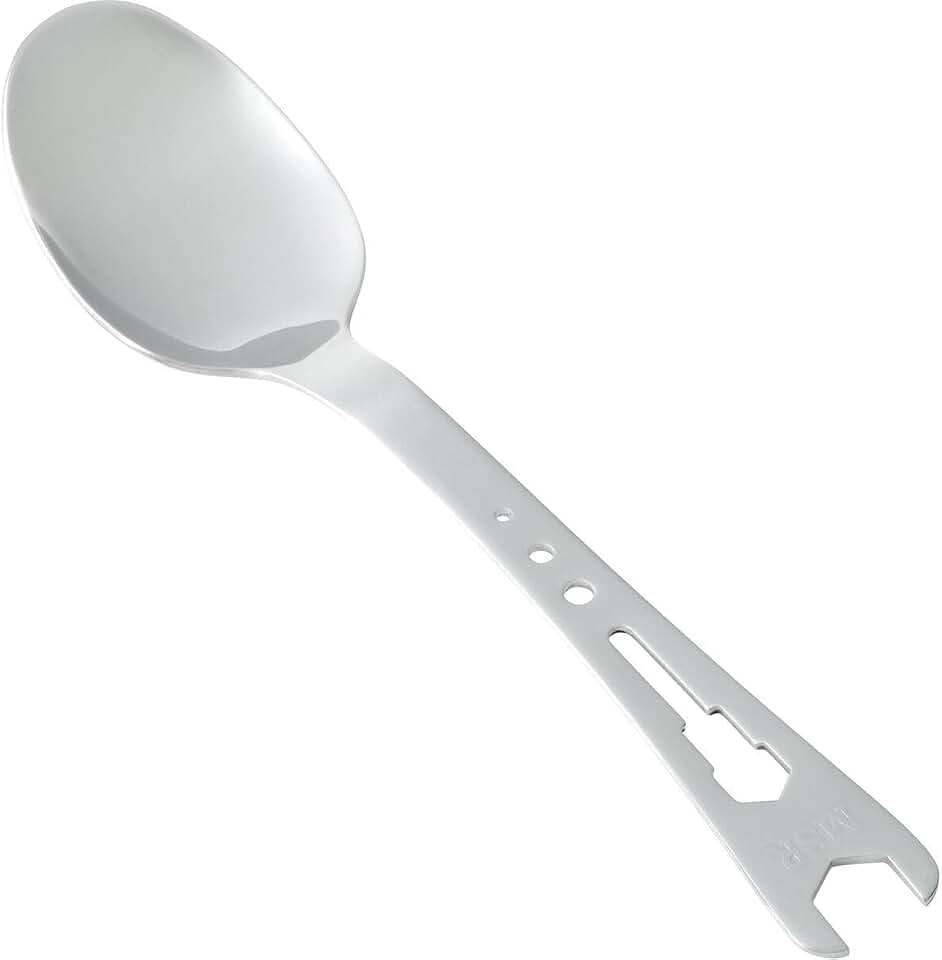
The Evernew Pasta Pot is a unique option that excels in versatility. Its deep, narrow design is ideal for boiling pasta or rice, but it also works well for soups and stews. Made from titanium, it is incredibly light and durable. The pot often comes with a lid that can be used as a strainer or a plate, adding to its functionality. It strikes a balance between usability and weight, making it a favorite for solo hikers who want to cook more than just dehydrated meals.



As an Amazon Associate, we may earn from qualifying purchases.
Best cookware for two or more
Cooking for a partner or a small group usually means carrying more metal, but the weight penalty doesn't have to be steep. The most efficient strategy is choosing nested sets that pack into a single compact bundle. This approach keeps your pack volume low while ensuring you have enough capacity for two meals or one large shared pot.
The Snow Peak Multi Compact Cookset is a standout for this use case. It nests tightly and includes a frying pan, pot, and lid that double as a bowl. At roughly 13 ounces, it handles two-person breakfasts and dinners without adding bulk. It is slightly heavier than single-pot titanium options, but the versatility justifies the few extra grams for couples who want to cook separate meals or share a single dish.
For those who prioritize speed over frying capability, the MSR Titan Kettle is a lighter alternative. It weighs just 6.5 ounces and boils water quickly for two people. While it lacks a flat surface for cooking, it is ideal if your group relies mostly on dehydrated meals or hot drinks. The titanium construction ensures it lasts for years, even with rough handling.
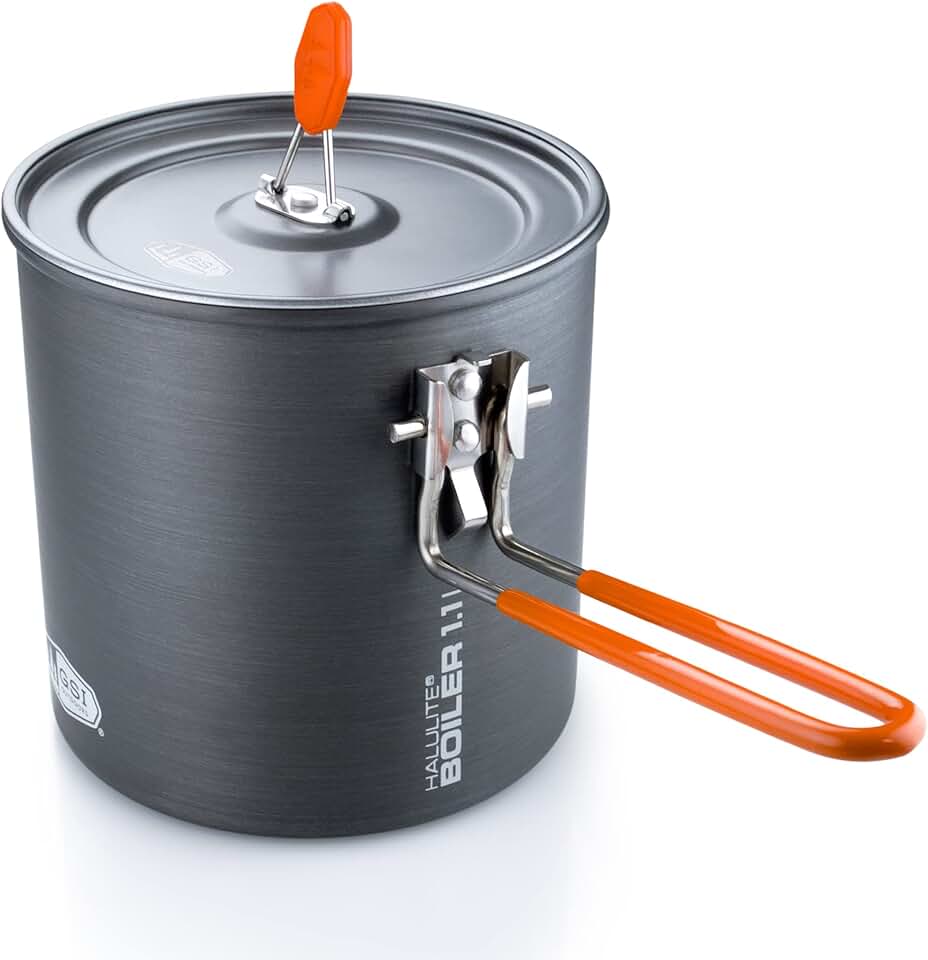
If you need to cook for three or more, the GSI Halulite Dualist HS offers a larger volume without becoming a burden. It includes two pots and a strainer lid, allowing you to boil pasta and heat sauce simultaneously. At nearly 16 ounces, it is heavier than the Snow Peak set, but the dual-pot design saves time and fuel by eliminating the need to cook courses sequentially.

As an Amazon Associate, we may earn from qualifying purchases.
High altitude cooking performance
At elevations above 8,000 feet, the drop in atmospheric pressure changes how your stove and pot interact. Water boils at roughly 198°F (92°C) at 10,000 feet, meaning you cannot rely on boiling to pasteurize water or fully cook dense grains like rice. The cooking process shifts from a quick boil to a prolonged simmer, which directly impacts fuel consumption and meal readiness times.
This is where the pairing of stove and cookware becomes critical. A standard pot often loses significant heat to the surrounding air, forcing you to burn more fuel to maintain a simmer. A heat exchanger pot, such as the MSR WindBurner or the TOAKS Titanium Heat Exchanger, solves this by wrapping the flame around a series of internal fins. This design maximizes heat transfer to the water while minimizing waste, drastically improving efficiency in cold, windy conditions.
When selecting gear for high-altitude trips, prioritize systems that maintain steady heat output. Titanium pots like those from Snow Peak are lightweight and durable, but they conduct heat less efficiently than aluminum. If you choose a standard titanium pot, pair it with a high-output stove to compensate for the slower heat transfer. For most ultralight backpackers, a dedicated heat exchanger system offers the best balance of weight, speed, and fuel economy when the air gets thin.
What cookware do you need for backpacking?
Building a backpacking kitchen doesn't require a full kitchen set. You only need four core items to boil water, cook meals, and eat them. This minimal system keeps your pack weight down while covering every meal scenario on the trail.
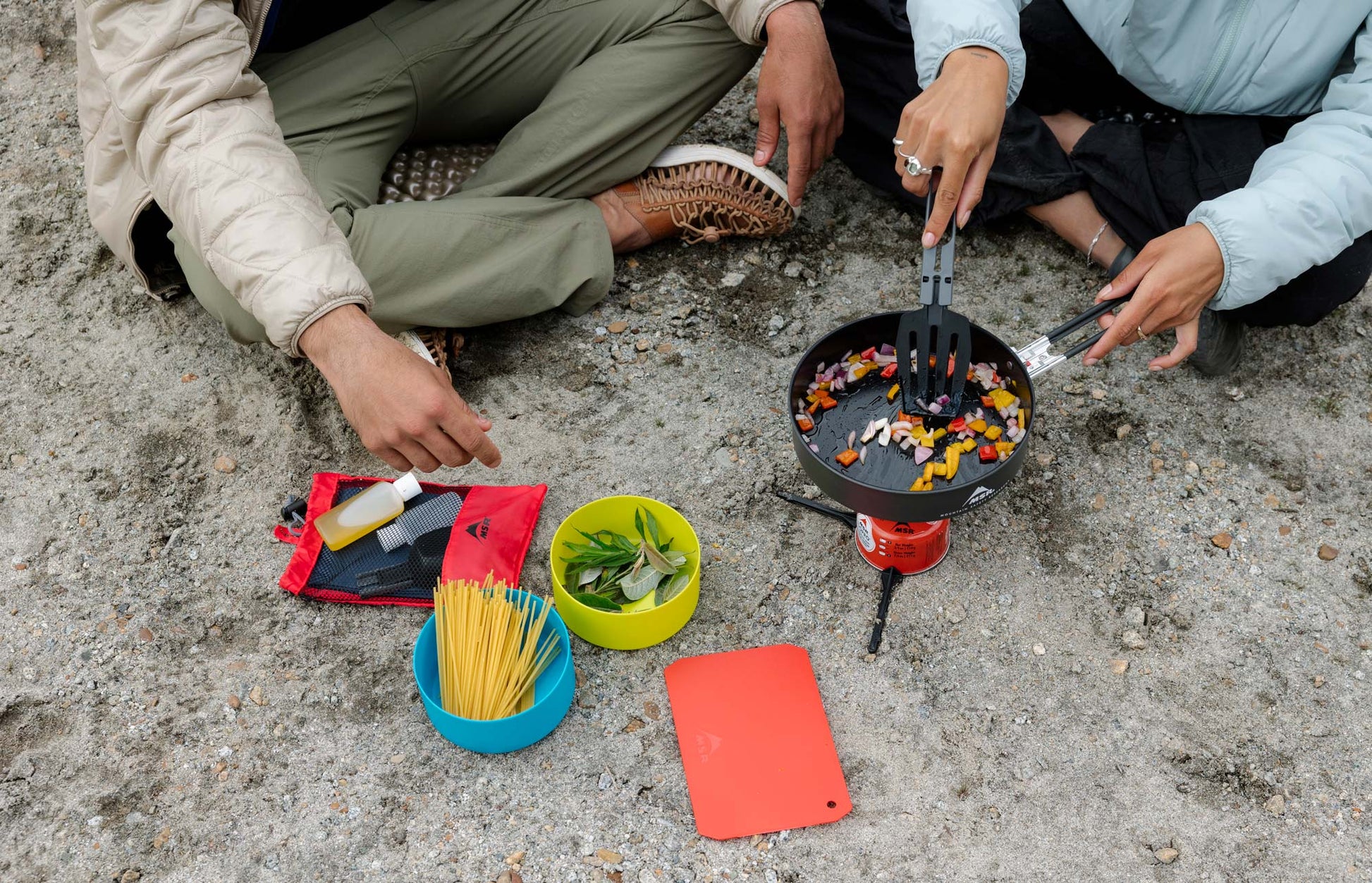
A 750ml to 1.1L pot is the sweet spot for one or two people. Titanium models like the TOAKS 750ml save weight, while aluminum options like the MSR Alpine offer better heat distribution for the price.
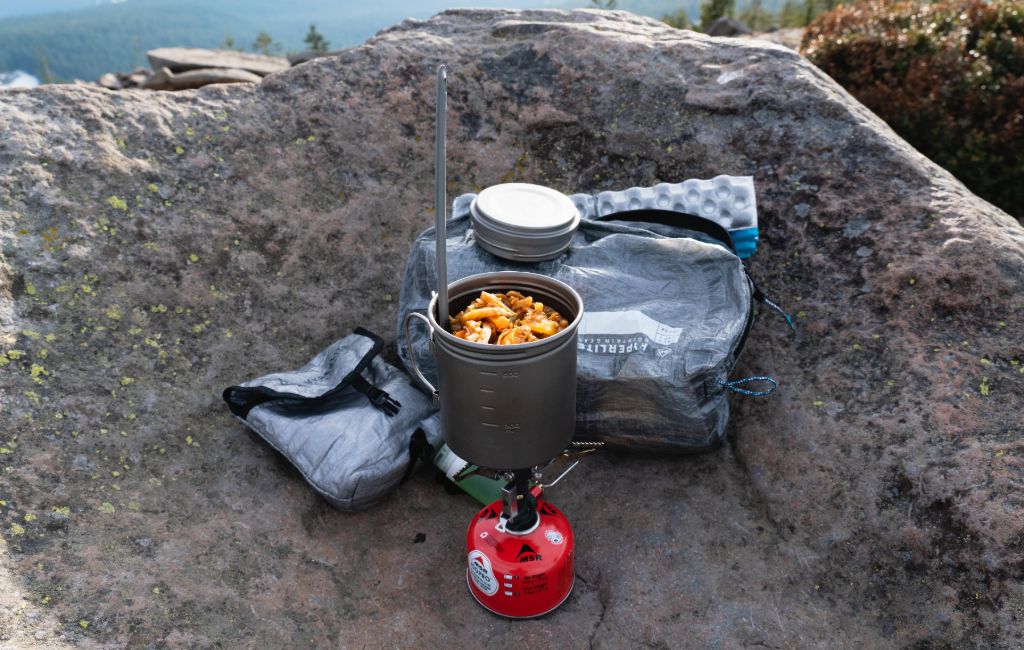
Your pot lid doubles as a frying pan or plate. Look for pots with lids that seal tightly to retain heat, or consider a dedicated lid like the GSI Outdoors Pinnacle Camper Pot lid if your pot lacks one.
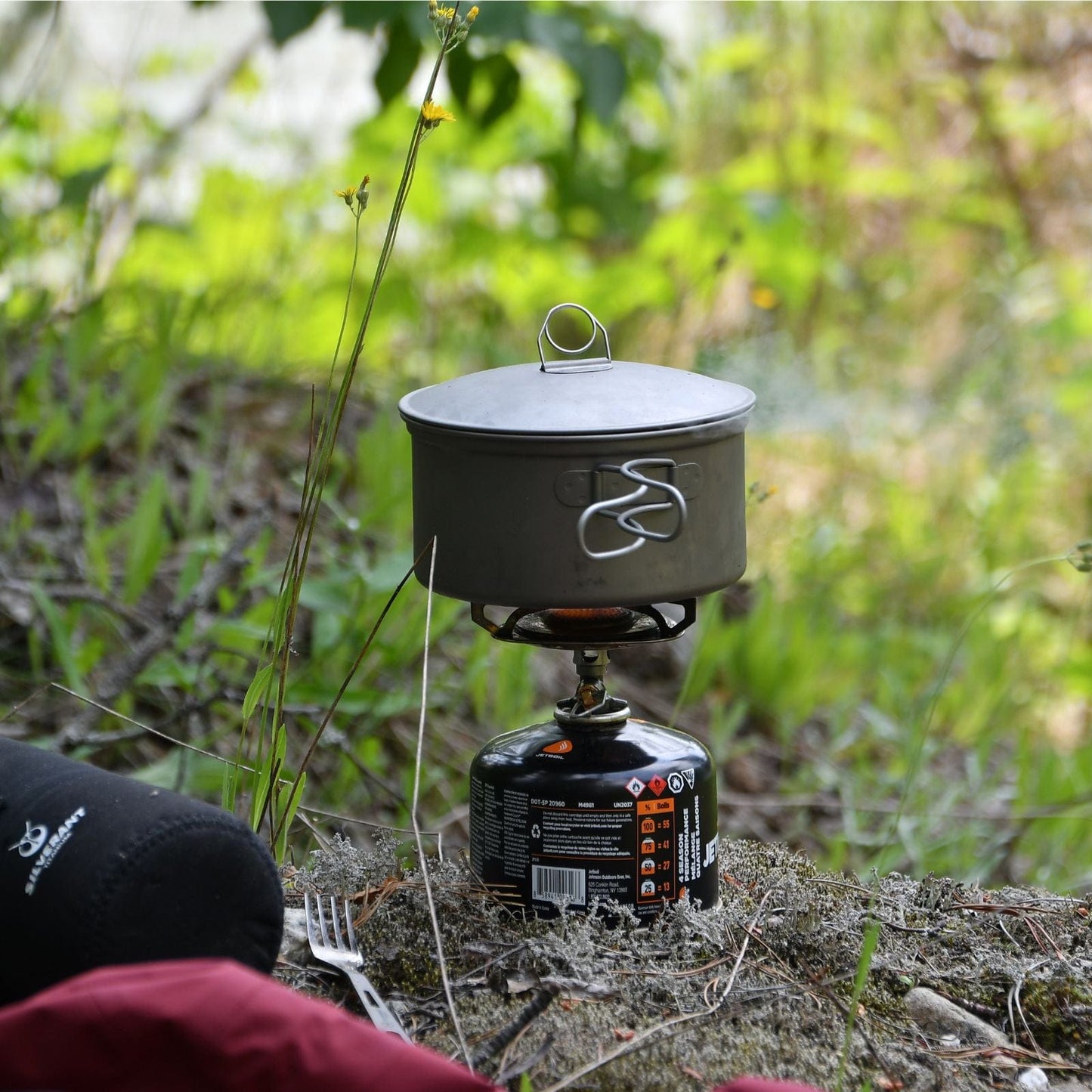
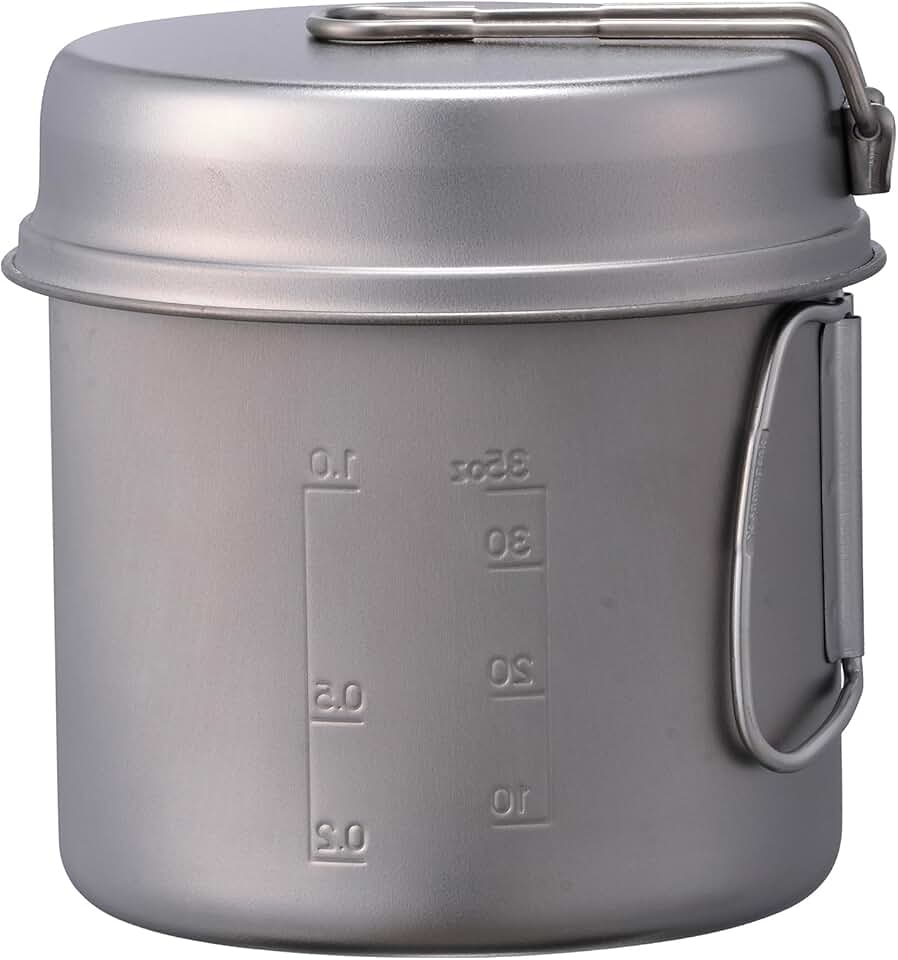
A titanium spork or a dedicated folding knife is all you need. Brands like Snow Peak offer integrated sets that clip onto your pot handle, keeping everything compact and preventing loss.
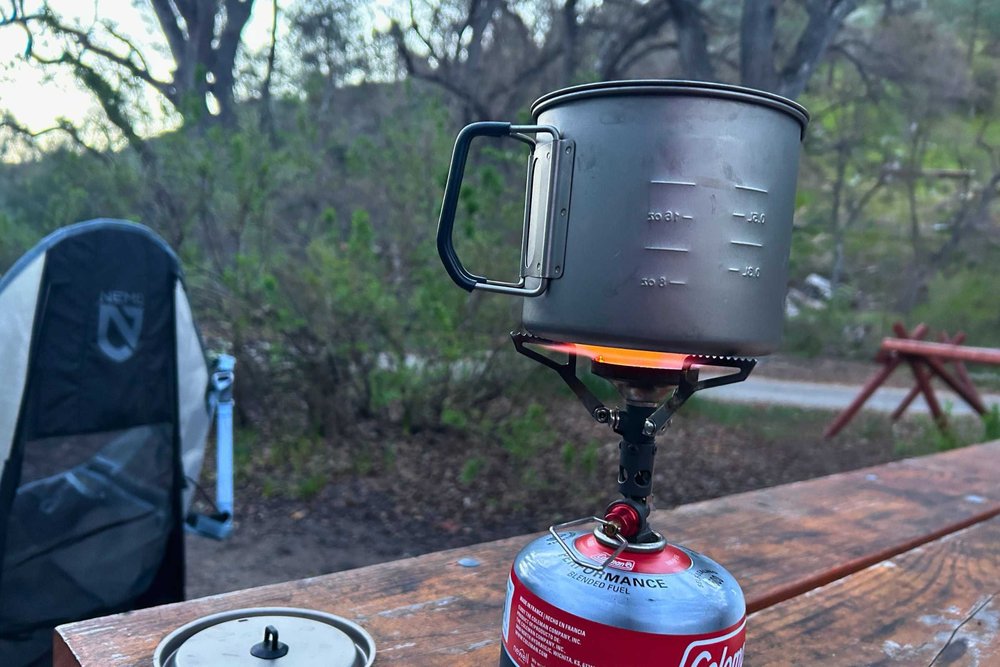
A canister stove like the Jetboil Flash or a lightweight alcohol stove provides the heat source. Match the stove size to your pot diameter to maximize fuel efficiency.
No comments yet. Be the first to share your thoughts!