

Quick picks for every camping style
Choosing the right camping stove depends less on brand loyalty and more on how you plan to cook. Whether you are hauling gear up a ridge or setting up a campsite in your car, the best camping stoves 2026 have to balance power, weight, and fuel efficiency. We have narrowed down the top contenders based on lab testing and real-world meal preparation to help you find the right match for your next trip.
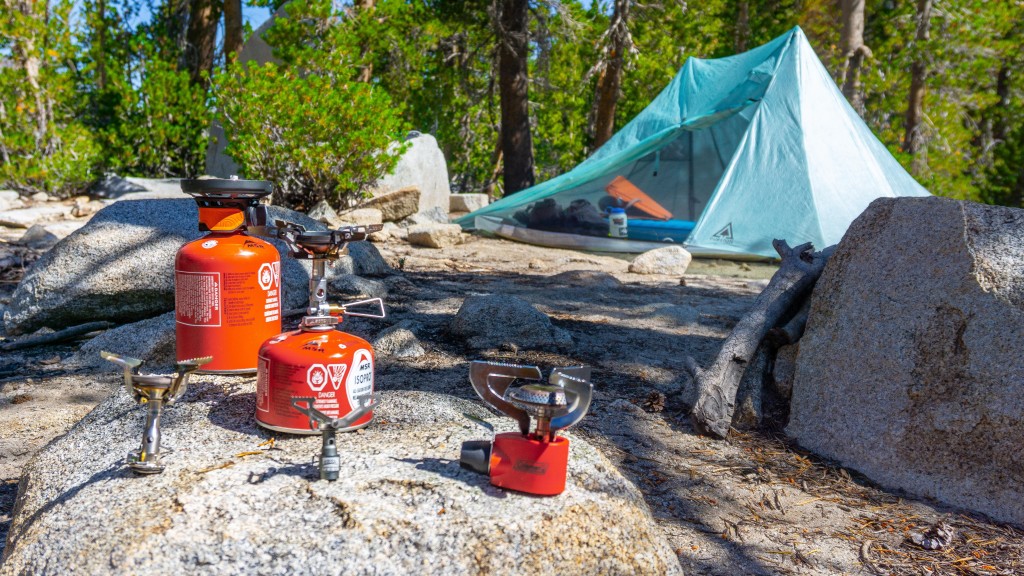
For backpackers, every ounce counts. The Jetboil Flash is a standout choice, boiling 1 liter of water in just 100 seconds while weighing only 13 ounces. Its integrated pot design minimizes cleanup and maximizes thermal efficiency, making it ideal for quick coffee or rehydrating meals on the trail. If you prefer a minimalist approach without the integrated system, the BRS-3000T titanium stove offers a weight of just 1.7 ounces with a powerful 3,000 BTU output, though it requires a separate pot.
Car campers and group cooks need stability and simmer control. The Camp Chef Everest 2x delivers 30,000 BTUs across two burners, providing a large cooking surface that handles Dutch ovens and large pots with ease. Its patented windscreen technology keeps flames steady even in gusty conditions, ensuring consistent heat distribution for complex meals. For those who want versatility without the bulk, the Snow Peak Home & Camp Burner is a durable, portable option that runs on both propane and butane, fitting easily into a car trunk.


As an Amazon Associate, we may earn from qualifying purchases.
How we tested these camping stoves
We put these models through rigorous field testing to separate marketing claims from actual performance. Our evaluation process focuses on real-world variables that matter most to campers: wind resistance, boil times, and fuel efficiency. We tested each stove in conditions ranging from calm valley floors to windy ridgelines, ensuring the data reflects what you will experience on the trail or at your car campsite.
Wind resistance was measured by timing how long it took each stove to boil one liter of water at 20 mph wind speeds. We recorded the time difference between sheltered and exposed setups to determine which designs maintain stability and heat output when the weather turns. This metric is critical for backpackers who cannot always find a protected spot for cooking.
Boil times and fuel efficiency were tracked using precise digital scales and stopwatches. We measured the weight of fuel consumed per liter boiled to calculate BTU efficiency. For example, a stove that boils water in three minutes but consumes twice as much canister fuel as a competitor may not be the best choice for multi-day backpacking trips where every ounce counts. We also assessed simmer control, noting which stoves could maintain a low, steady heat for delicate tasks like melting snow or cooking sauces without scorching.
Best ultralight backpacking stoves
For hikers covering long distances, every gram matters. The best ultralight backpacking stoves prioritize weight and packability above all else, often weighing less than 3 ounces. These systems typically consist of a small canister stove and a matching fuel canister, folding down to fit in the palm of your hand. The trade-off is clear: while they shave ounces off your pack, they often sacrifice simmer control and stability compared to heavier options.
Ultralight canister stoves are designed for efficiency rather than power. Most produce between 6,000 and 10,000 BTUs, which is sufficient to boil water quickly but less effective for simmering sauces or cooking complex meals. The Jetboil Stash, for example, weighs just 2.6 ounces and packs down to a tiny size, making it ideal for solo hikers who need to move fast. However, the lack of a wide burner base means you need a steady hand when pouring.
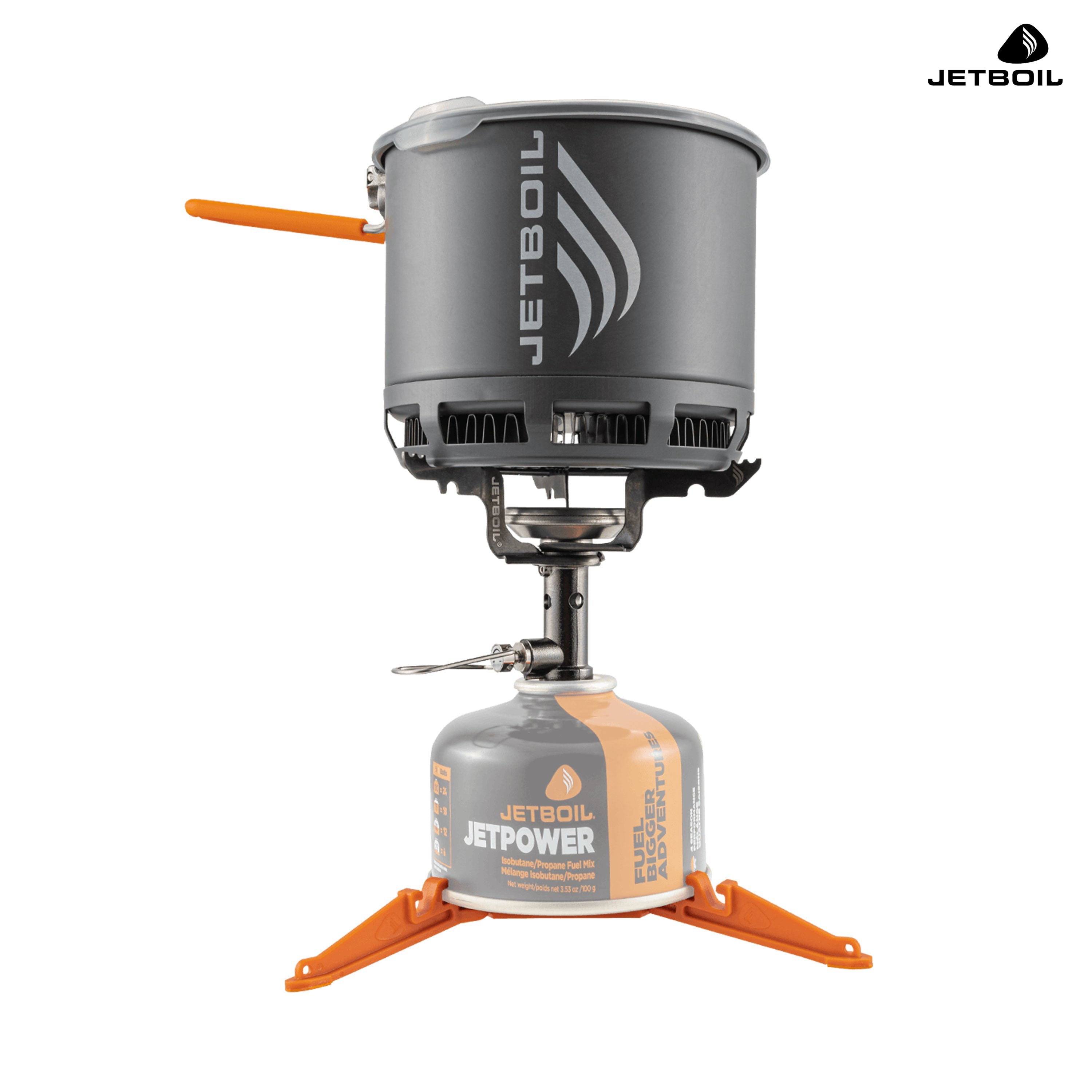
When choosing an ultralight stove, consider your cooking style. If you only need to boil water for dehydrated meals, a simple canister stove is the best choice. If you plan to cook actual food, look for models with adjustable flame controls or pair your stove with a small pot stand for stability. The following table compares the top ultralight options based on weight, power, and packed size.
| Stove | Weight (oz) | BTU Output | Packed Size |
|---|---|---|---|
| Jetboil Stash | 2.6 | 8,000 | 3.9 x 2.6 in |
| MSR PocketRocket 2 | 2.6 | 8,200 | 2.0 x 1.8 in |
| BRS-3000T | 1.6 | 9,000 | 2.4 x 2.0 in |
| Snow Peak LiteMax | 3.2 | 9,100 | 2.5 x 2.0 in |
Best car camping and basecamp stoves
When you aren't carrying your gear on your back, you can prioritize power, stability, and cooking surface area. Car camping stoves are built to handle large pots, multiple burners, and high-output cooking for groups. These units anchor your camp kitchen, offering the reliability needed for hearty breakfasts and family dinners.
The Camp Chef Everest 2x remains a top contender for its massive 24,000 BTU output and large pot supports. Its integrated windscreen and durable cast aluminum construction make it a staple for basecamp cooking. Similarly, the Coleman Triton+ offers 22,000 BTUs across two burners with a reliable InstaStart ignition, providing a familiar propane experience for many campers. For those who prefer canister fuel but need basecamp power, the Jetboil Genesis Basecamp delivers rapid boil times and precise simmer control, though its integrated design limits versatility compared to traditional two-burner setups.
| Stove Model | BTU Output | Weight | Burner Count | Fuel Type |
|---|---|---|---|---|
| Camp Chef Everest 2x | 24,000 BTU | 13.4 lbs | 2 | Propane |
| Coleman Triton+ | 22,000 BTU | 11.2 lbs | 2 | Propane |
| Jetboil Genesis Basecamp | 18,000 BTU | 10.8 lbs | 1 | Canister |
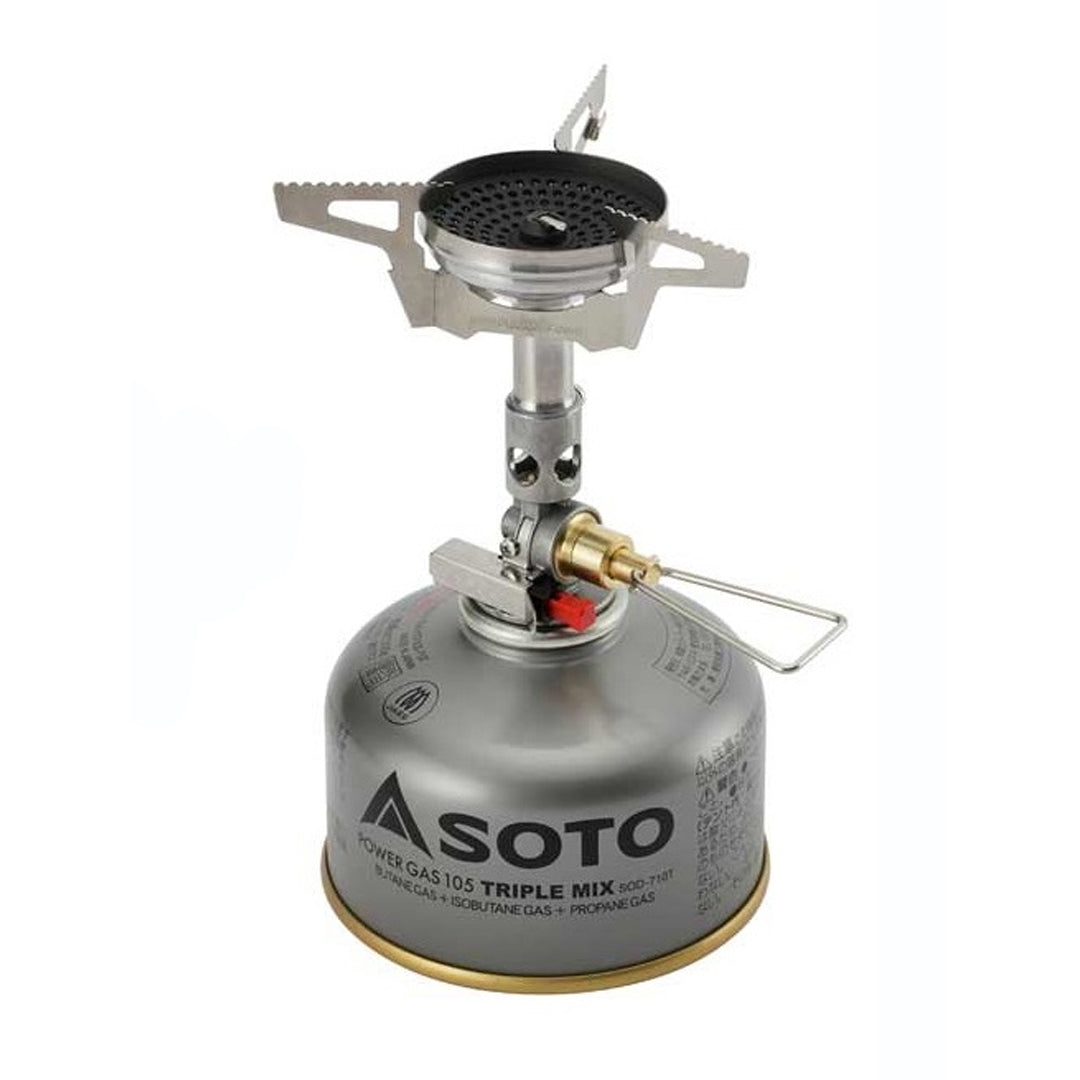
Choosing the right basecamp stove depends on your group size and cooking style. If you need to boil large volumes of water quickly for coffee or pasta, high BTU output is essential. For slower simmering or frying, look for models with adjustable flame controls and stable pot supports. While ultralight backpackers might eye the Soto Windmaster for its efficiency, it lacks the surface area and power needed for car camping meals.
Choosing the right fuel type
Selecting the correct fuel is the first decision in picking the best camping stoves for your 2026 adventures. The three main options—canister, liquid fuel, and propane—each have distinct advantages depending on your climate, trip duration, and cooking style. Understanding these differences helps you avoid the frustration of a stove that won’t ignite in the cold or a fuel source that’s too heavy for a long trek.
Canister stoves: Lightweight and convenient
Canister stoves are the go-to choice for backpackers and car campers who value simplicity. These systems use pre-pressurized isobutane-propane mixtures in aluminum cans. They are incredibly lightweight, often weighing under 100 grams for the stove itself, and offer instant ignition with a simple twist. However, they struggle in extreme cold below 20°F (-6°C) because the pressure drops, reducing flame power. For most three-season backpacking trips, canister stoves provide the best balance of weight and performance.
Liquid fuel: Durability in harsh conditions
Liquid fuel stoves burn white gas, kerosene, or diesel and are built for expedition-level durability. Unlike canister stoves, they maintain consistent performance in freezing temperatures and at high altitudes where air pressure is low. The trade-off is weight and maintenance; liquid fuel systems typically weigh over 500 grams and require regular cleaning to prevent clogging. They are ideal for winter camping or multi-week expeditions where reliability outweighs pack weight.
Propane: Power for car camping
Propane is the standard for car camping and base camps. Two-burner propane stoves deliver high BTU output, allowing you to cook multiple dishes simultaneously. While they are heavy and bulky, making them unsuitable for backpacking, they offer the fastest boil times and most consistent heat for family meals. If you are driving to your campsite, propane provides the convenience of home cooking without the hassle of fuel canisters or priming pumps.
Final verdict on 2026 camping stoves
Choosing the best camping stove for 2026 depends on whether you prioritize weight savings for backpacking or cooking capacity for car camping. The Camp Chef Everest 2x remains the top overall pick for car camping due to its 20,000 BTU output and large 18-inch cooking surface, which handles multiple pots with ease. Its integrated windscreen and excellent simmer control make it a reliable workhorse for base camps.
For backpackers, the Jetboil Flash or similar canister systems are superior because they boil water in under two minutes while weighing less than 13 ounces. These systems prioritize efficiency and fuel economy over cooking versatility. If you need a middle ground, the Snow Peak Home & Camp Burner offers a stable, dual-fuel option that balances portability with the ability to cook complex meals.
Before buying, check these criteria:
- Weight under 20 oz for solo trips
- BTU output above 10,000 for faster boiling
- Fuel availability in your region
- Simmer control for delicate cooking
No comments yet. Be the first to share your thoughts!