

The reality of pack weight
Every ounce counts when you're twenty miles into a trip. I spent years carrying a heavy white gas stove that felt like a brick in my pack. Switching to a three-ounce titanium burner changed how I hike. I'm less tired at camp, and my knees don't ache as much on the descents.
The benefits extend beyond just physical comfort. A lighter pack reduces strain on your body, which can help prevent injuries. More importantly, it lets you focus on the joy of being in the outdoors. For many, this means longer trips, more challenging terrain, and a deeper connection with nature. It's not about deprivation; it's about optimizing what you carry.
Typical weight ranges for backpacking stoves vary significantly. Canister stoves often fall between 3-8 ounces, while alcohol stoves can be even lighter, around 1-4 ounces. Solid fuel stoves are similarly lightweight, often under 2 ounces. Integrated systems, prioritizing speed, tend to be heavier, averaging 8-16 ounces. Who benefits most from this weight savings? Anyone, really, but especially those tackling long-distance trails, high-altitude climbs, or simply anyone who wants a more comfortable backpacking experience.
Shaving weight isn’t always about buying the most expensive gear. Sometimes it's about making smart choices and prioritizing what's truly essential. Thinking critically about your cooking needs – how many meals, how much water – will help you select the right stove for your adventures. It's a balance between weight, performance, and your personal preferences.
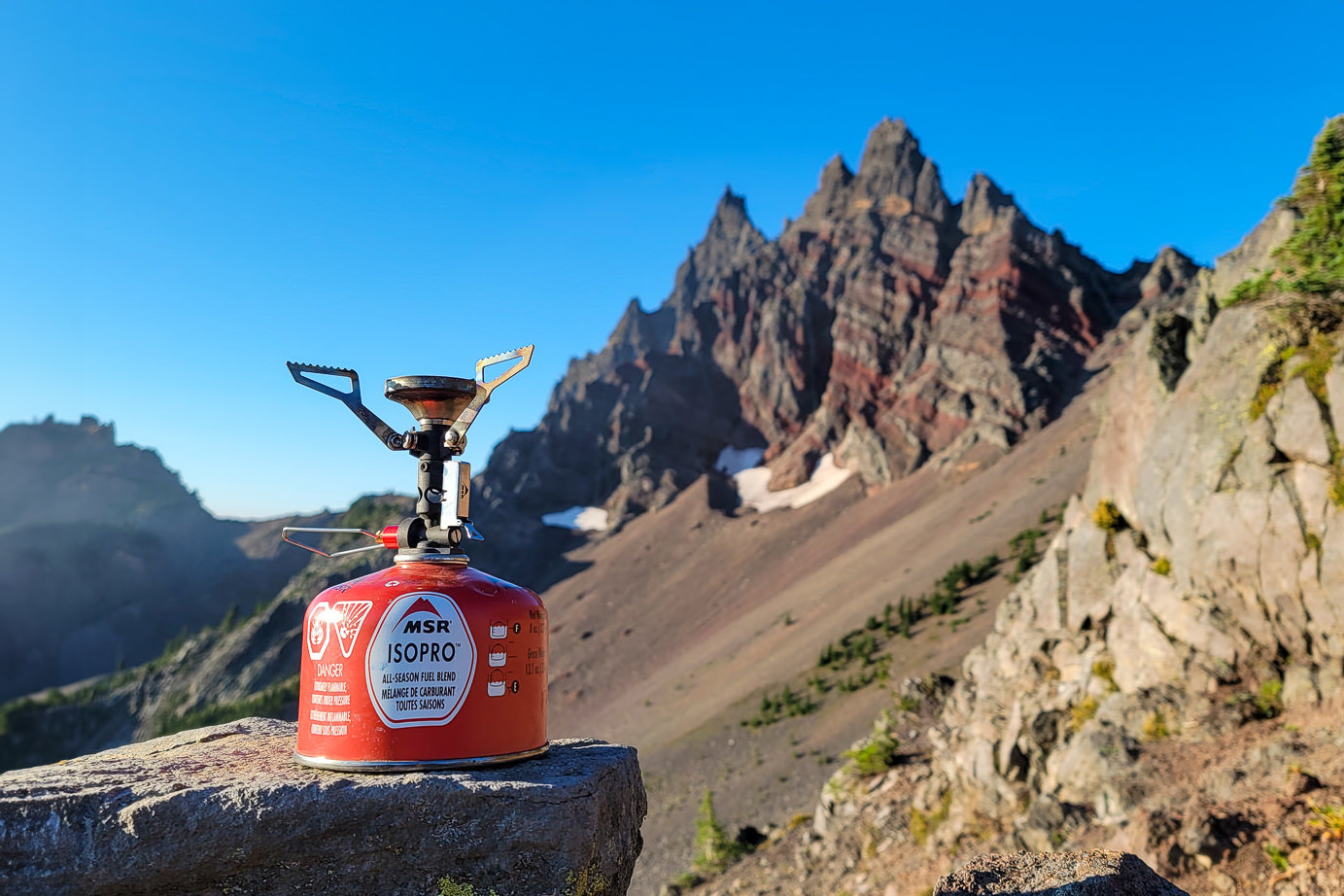
Canister stoves: easy but pricey
Canister stoves are, without a doubt, the most popular choice for backpackers. Their ease of use is a major draw. No priming, no fuss – just screw on the canister, ignite, and you’re cooking. This simplicity is a huge advantage, especially for beginners. They're incredibly reliable and offer consistent heat output in most conditions.
However, that convenience comes at a cost. Canister fuel can be expensive, and the price adds up quickly on longer trips. A standard 8-ounce canister typically lasts around 60-90 minutes of continuous burn time, depending on the stove’s output and weather conditions. You’ll need to factor in the cost of fuel when planning your budget. Thinking about how many meals you'll need to cook is important.
Canisters struggle when the temperature drops. Isobutane loses pressure in the cold, often leaving you with a weak flame just when you need hot coffee most. The Soto Amicus handles this better than most because of its internal regulator, which maintains a steady flow even as the canister chills. If you're mostly a summer hiker, the 2.6-ounce MSR PocketRocket 2 is plenty of stove for less weight.
When choosing a canister stove, consider the burner design. Some stoves have a wider burner head for more even heat distribution, while others prioritize compactness. Think about what you’ll be cooking – if you’re primarily boiling water for dehydrated meals, a simple burner is fine. If you plan on simmering or cooking more elaborate dishes, a wider burner might be preferable.
- MSR PocketRocket 2: A 2.6-ounce workhorse that fits in a pocket and lasts for years.
- Soto Amicus: 3.1 ounces, includes a pressure regulator for cold weather.
- BRS-3000T: This is the cheapest way to hit the sub-one-ounce mark, though the thin pot supports can bend if you're not careful.
Featured Products
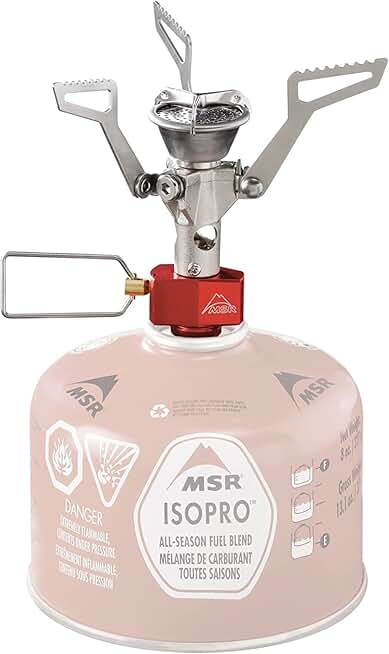
Ultralight design at 2.6 oz (73g) · Boils 1 liter of water in 3.5 minutes · Compact, foldable pot supports
The MSR PocketRocket 2 is a reliable and lightweight option for backpackers prioritizing simplicity and performance in a compact package.
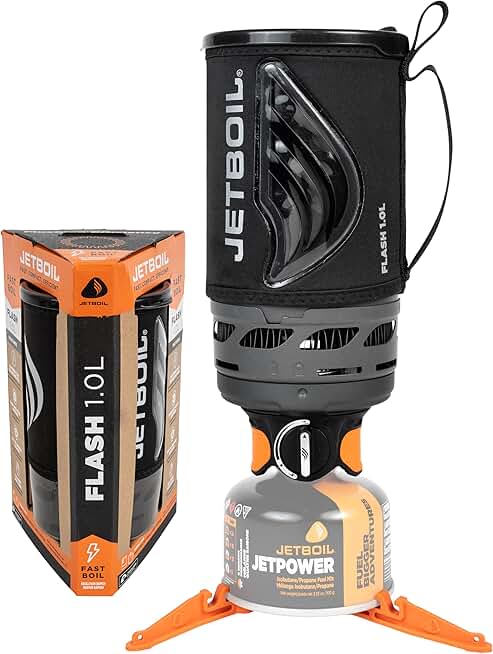
Boils 2 cups of water in just 2 minutes · Integrated insulation cozy for efficient heating · One-step igniter for easy startup
The Jetboil Flash excels at rapid water boiling, making it ideal for solo backpackers or duos who value speed and efficiency on the trail.

Excellent performance in windy conditions · Durable and shock-resistant construction · Lightweight and compact design
The SOTO Amicus offers robust performance, especially in challenging weather, at an accessible price point for budget-conscious hikers.

Hose-connected design for stability and fuel efficiency · Wide pot support for larger cookware · Foldable for compact storage
The Kovea Camp 4 is a stable and versatile stove suitable for longer trips or when cooking with larger pots, offering consistent performance.

Extremely lightweight at only 25g (0.88 oz) · Made from durable titanium alloy · Very compact and packable
The BRS-3000T is the ultimate choice for ultralight enthusiasts where every gram counts, offering a functional burner at an unbeatable weight.
As an Amazon Associate I earn from qualifying purchases. Prices may vary.
Alcohol Stoves: Simple, Silent, and Steady?
Alcohol stoves embody simplicity. They’re essentially a container you fill with denatured alcohol (ethanol) and light. No moving parts, no complex mechanisms – just a clean, quiet burn. This simplicity makes them incredibly reliable; there’s very little that can go wrong. They also operate silently, which is a welcome change from the hiss of canister stoves.
However, alcohol stoves aren’t without their drawbacks. Boil times are significantly slower than with canister stoves. Expect to wait 10-15 minutes to boil a liter of water, depending on the stove design and conditions. This can be frustrating if you’re impatient or need hot water quickly. Fuel availability can also be an issue. Denatured alcohol isn't always readily available in smaller towns or remote areas.
Wind is a major enemy of alcohol stoves. Without a windscreen, even a gentle breeze can drastically reduce their efficiency. A well-designed windscreen is essential for consistent performance. There are many DIY alcohol stove designs available online, ranging from simple soda can stoves to more refined titanium models. The Trangia Spirit Burner is a classic commercial option, known for its durability and reliability.
I’m not sure alcohol stoves are the best choice for everyone. But for those who value simplicity, reliability, and quiet operation, they can be a great option. They’re particularly well-suited for shorter trips or situations where speed isn’t critical. They’re also a good backup option to have on hand.
- Trangia Spirit Burner: A classic, durable, and reliable alcohol stove.
- DIY Soda Can Stove: A lightweight and inexpensive option, but requires some effort to build.
- Titanium Alcohol Stove: More refined and durable than soda can stoves, but also more expensive.
Solid fuel for emergencies
Solid fuel stoves, like the Esbit Pocket Stove, are often overlooked but deserve consideration, especially for their versatility. They’re incredibly lightweight and compact – often weighing under 2 ounces – and don’t require carrying liquid fuel canisters. This makes them ideal for emergency backup stoves or ultralight trips where minimizing weight is paramount.
The main drawback is fuel availability. Solid fuel tablets (typically Esbit or Hexamine) aren’t as widely available as canister fuel or alcohol. You'll need to plan ahead and ensure you have enough fuel for your trip. Burn times vary depending on the fuel tablet, but a single tablet typically lasts around 5-10 minutes.
Environmental concerns are also worth noting. Solid fuel tablets leave behind a small amount of ash, which needs to be packed out responsibly. The fuel itself isn’t particularly environmentally friendly. Esbit tablets are generally considered the standard, but Hexamine tablets offer a slightly hotter flame. They offer a simple, reliable way to boil water or cook a small meal in a pinch.
These stoves aren’t ideal for elaborate cooking, but they're perfect for boiling water for dehydrated meals or making a cup of coffee. They’re a solid choice for emergency preparedness or for experienced backpackers looking to minimize weight.
- Esbit Pocket Stove: The industry standard, lightweight and compact.
- Hexamine Stove: Offers a slightly hotter flame than Esbit.
- Solid Fuel Tablets (Esbit/Hexamine): Essential fuel for solid fuel stoves.
Integrated Systems: Speed and Efficiency
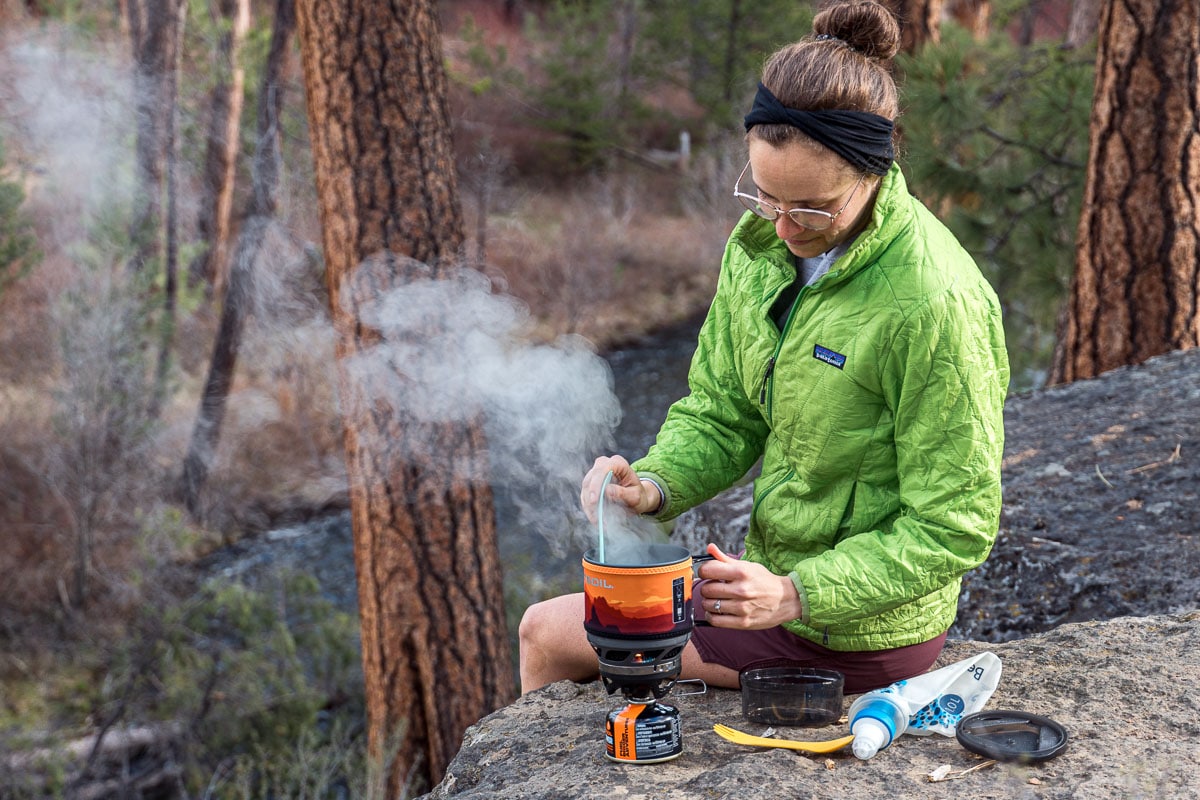
Integrated systems, like those from Jetboil, prioritize speed and fuel efficiency. These systems pair a stove with a specifically designed pot, creating a highly efficient heating system. They excel at quickly boiling water for dehydrated meals, making them a popular choice for backpackers who value convenience and speed.
The key advantage is their wind resistance. The pot surrounds the burner, shielding it from the wind and maximizing heat transfer. This means you can boil water much faster in windy conditions compared to other stove types. However, this efficiency often comes at the cost of versatility. Integrated pots are typically designed for a specific purpose – boiling water – and aren’t ideal for simmering or cooking more complex dishes.
The Jetboil Flash is a popular model, weighing in at around 12 ounces and boasting a boil time of just over two minutes. The MSR Reactor is another excellent option, known for its exceptional fuel efficiency and cold-weather performance. These systems aren’t always the lightest option, but they can save you a significant amount of time and fuel on longer trips.
If you primarily eat dehydrated meals and prioritize speed and efficiency, an integrated system is an excellent choice. But if you prefer to cook more elaborate meals or value versatility, you might want to consider a different type of stove.
- Jetboil Flash: Lightweight and fast boiling.
- MSR Reactor: Exceptional fuel efficiency and cold-weather performance.
- Jetboil Summit: Larger capacity for cooking for multiple people.
Ultralight Backpacking Stove Comparison - 2026
| Model | Approximate Weight (oz) | Boil Time (1L Water) | Capacity (L) | Best For |
|---|---|---|---|---|
| Jetboil Flash | 12.8 | 2 minutes 30 seconds | 1 | Solo Hikers, Fast & Light Trips |
| MSR Reactor | 11.3 | 1 minute 50 seconds | 1 | Cold Weather, Quick Boiling |
| Soto Storm | 9.7 | 2 minutes 45 seconds | 0.8 | Solo Hikers, Minimalists |
| Jetboil Zip | 13.1 | 2 minutes 50 seconds | 0.8 | Budget-Conscious Solo Hikers |
| MSR PocketRocket 2 | 2.6 | 3 minutes 30 seconds | N/A (requires separate cookware) | Ultralight Backpacking, Versatility |
| BRS-3000T | 2.5 | 4 minutes | N/A (requires separate cookware) | Extremely Lightweight, Budget Option |
| Primus Lite Tech | 3.7 | 3 minutes 15 seconds | N/A (requires separate cookware) | Balance of Weight and Stability |
Illustrative comparison based on the article research brief. Verify current pricing, limits, and product details in the official docs before relying on it.
Wood-Burning Stoves: Foraging and Sustainability
Wood-burning stoves offer a unique appeal: the ability to cook without carrying fuel. They rely on foraging for twigs, branches, and other biomass to fuel the fire. This can be a great option for longer trips where resupply is difficult or for those who want to minimize their environmental impact.
The main advantage is eliminating the need to carry fuel. This can save you a significant amount of weight and money. However, wood-burning stoves require more effort and skill to use effectively. You need to be able to find dry wood, build a small fire, and maintain it throughout the cooking process. It’s also important to be aware of fire restrictions in the area you're hiking.
Different stove designs exist, from simple open-fire stoves to more enclosed models that offer better efficiency and control. The BioLite CampStove 2+ is a popular option, featuring a thermoelectric generator that can charge your devices while you cook. It’s important to note that wood-burning stoves can produce smoke, which can be unpleasant and potentially harmful.
Using a wood-burning stove responsibly requires careful consideration of the environmental impact. Avoid collecting wood from live trees and only gather downed branches. Be sure to completely extinguish the fire before leaving your campsite. It's about leaving no trace and respecting the natural environment.
- BioLite CampStove 2+: Includes a thermoelectric generator for charging devices.
- Solo Stove Lite: Lightweight and compact wood-burning stove.
- Vargo Hexagon Wood Stove: Titanium wood-burning stove for ultralight backpacking.
Featured Products
Boils 1 liter of water in 3.5 minutes · Weighs only 2.6 ounces · Compact design folds small to fit in a mug
This stove offers a robust and reliable cooking experience at an impressively low weight, making it a go-to for many backpackers.

Complete system includes stove, fuel canister, and cup · Boils 0.5 liters of water in 2 minutes · Weighs only 7.1 ounces
The Jetboil Stash provides a streamlined, all-in-one solution for fast boiling times in a lightweight package, ideal for quick meals on the trail.
Extremely lightweight at only 25 grams · Constructed from durable titanium alloy · Compact and portable design
For those seeking the absolute lightest option, the BRS-3000T delivers incredible portability and a surprisingly capable burner for its minimal weight.

Weighs only 1.7 ounces · Durable and fuel-efficient titanium construction · Foldable legs for stability and compact storage
The TOAKS Titanium Ultralight Gas Stove is a highly efficient and durable option that balances a feather-light design with reliable performance.

Ultralight and compact design · Can be fueled by twigs, leaves, and other natural materials · Durable titanium construction
This versatile stove offers the freedom to cook using readily available natural fuel sources, making it an excellent ultralight choice for extended trips or survival situations.
As an Amazon Associate I earn from qualifying purchases. Prices may vary.

BRS Stove BRS 3000T Stove Titanium Ultralight Backpacking Stove Portable Propane Camping Stove Gas Burner Camp Stove only 26g with Extra O Ring
- Ultralight titanium construction
- Weighs only 26g
- Compact and portable design
For the absolute gram-conscious backpacker, the BRS 3000T offers an incredibly low weight without sacrificing essential functionality for boiling water or simple meal preparation.
View on Amazon →As an Amazon Associate I earn from qualifying purchases.
No comments yet. Be the first to share your thoughts!