
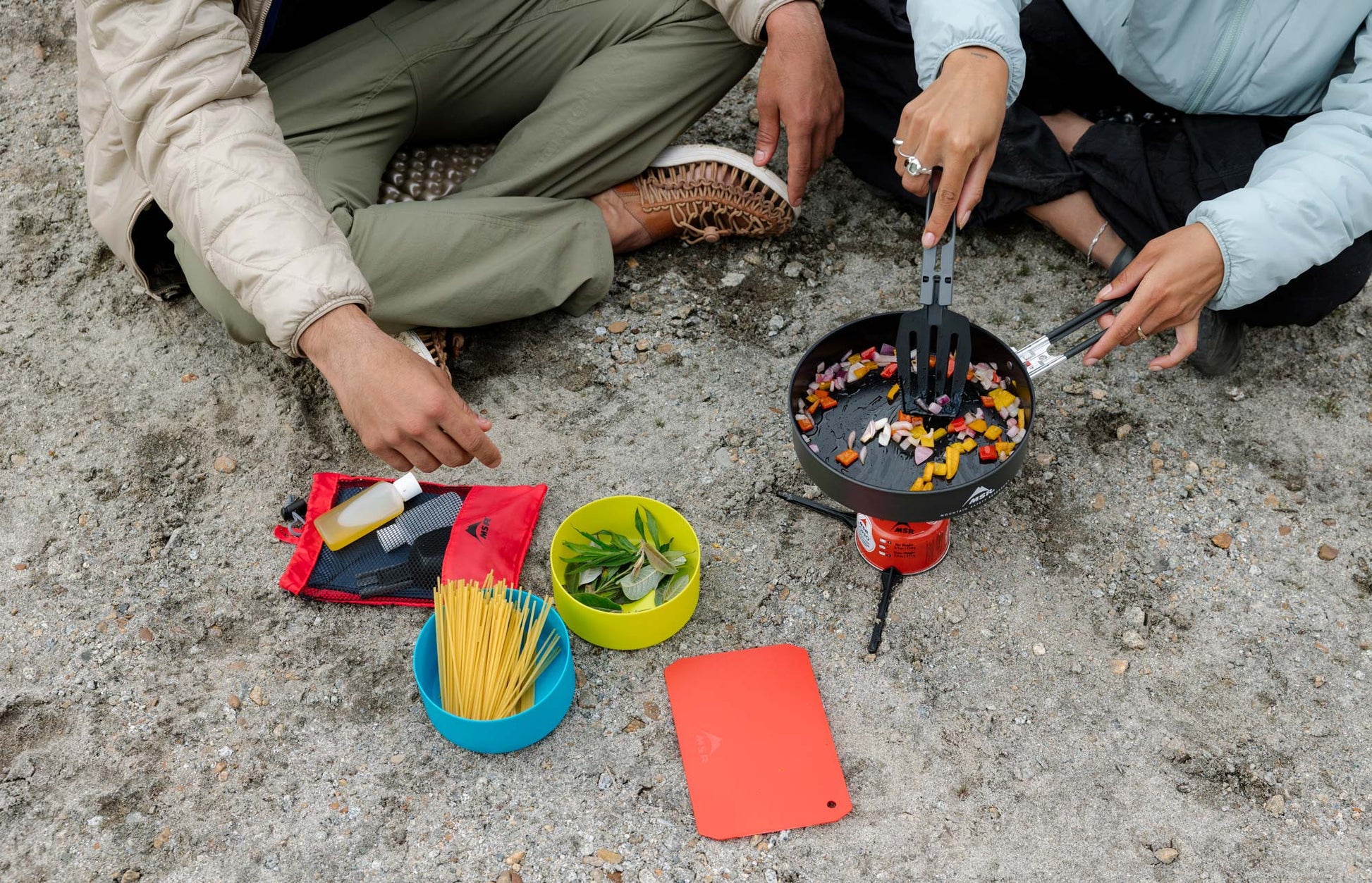

How we picked the best cookware
We tested ultralight backpacking cookware by focusing on four practical metrics: weight, material durability, boil efficiency, and packability. Our goal was to find gear that shrinks your pack volume without sacrificing the ability to make a hot meal in the backcountry.
Weight is the primary constraint. We prioritized sets that fit under 10 ounces, often stripping away non-essential handles or lids. Material durability came next. Titanium offers superior resilience against denting, while anodized aluminum boils faster but scratches easily. We favored titanium for long-term resilience and aluminum for short trips where speed matters more than gear longevity.
Boil efficiency determines how much fuel you carry. We tested each set by timing how long it took to boil 500ml of water at 5,000 feet elevation. Thinner walls heat up faster but can warp; thicker walls retain heat better but add grams. We balanced these factors to find the sweet spot for most hikers.
Packability ensures the cookware doesn't dominate your pack. Nesting sets that collapse into a small cylinder or fold flat take up less space than bulky pots with fixed handles. We looked for designs that integrate with your stove and fuel canister, creating a compact bundle that slides easily into a stuff sack.
Best ultralight backpacking cookware sets
Choosing the right ultralight backpacking cookware set depends on your group size and cooking style. While a single pot and stove work for solo hikers, couples and small groups benefit from integrated sets that include lids, handles, and nesting pans. These kits save weight by eliminating redundant parts and often nest tightly inside your pack.
The Evernew Pasta Pot 1L stands out for its versatility. It handles everything from boiling water to simmering pasta, offering a balance between usability and cooking performance. For those prioritizing minimal weight, titanium options like the TOAKS pots provide exceptional lightness, though they require careful handling to avoid denting.
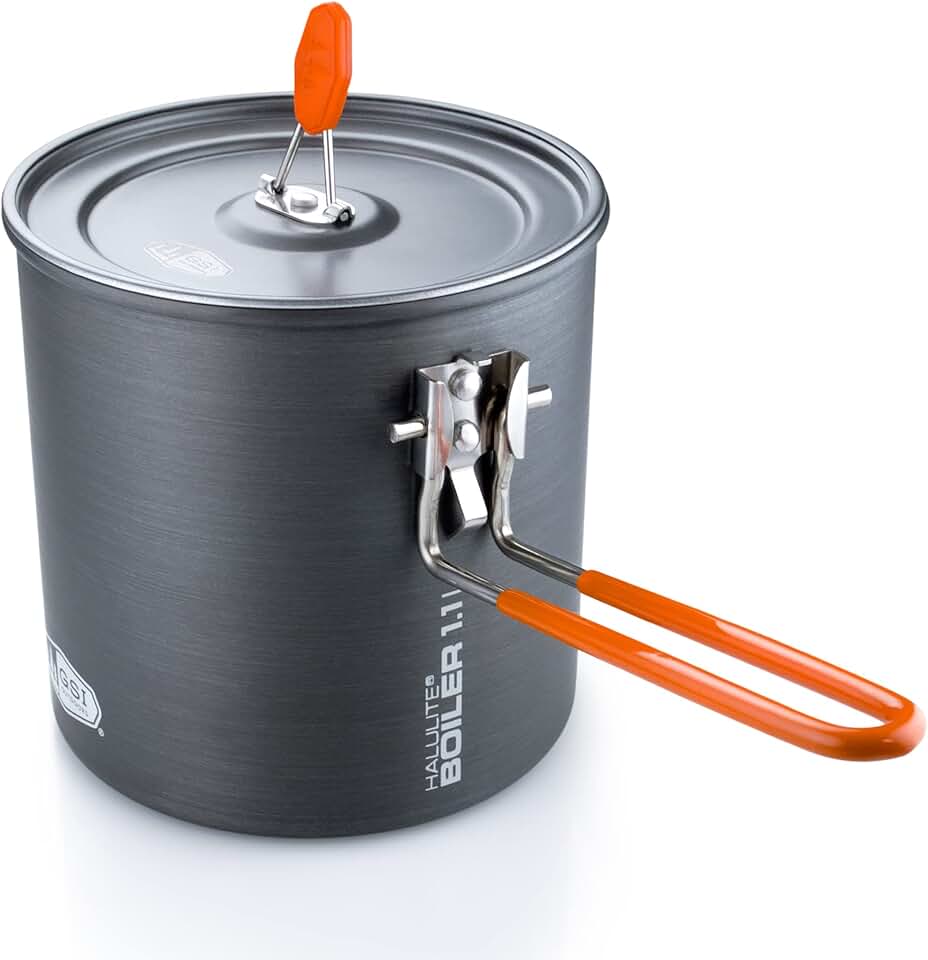
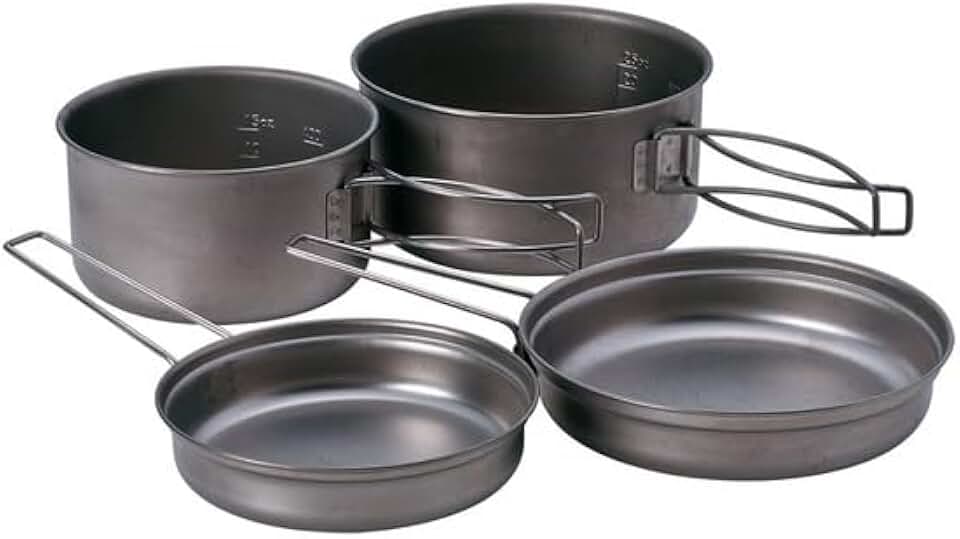
When selecting a set, look for features like folding handles or collapsible designs. These details matter when every ounce counts. The GSI Halulite Dualist HS is a popular choice for its dual-pot design, allowing you to cook multiple items simultaneously. Meanwhile, the Snow Peak Multi Compact Cookset offers a premium, durable option for those willing to pay a bit more for quality.



As an Amazon Associate, we may earn from qualifying purchases.
Titanium vs aluminum: material trade-offs
Choosing the right ultralight backpacking cookware often comes down to a single decision: do you pay for weight savings or prioritize cooking speed? The two dominant materials—titanium and aluminum—offer distinct advantages that define the rest of your gear setup. Titanium wins on durability and weight, while aluminum dominates on heat efficiency and cost.
The titanium advantage: weight and durability
Titanium is the gold standard for weight-conscious hikers. Its superior strength allows for thinner walls and lighter overall mass without denting or deforming. Brands like TOAKS Outdoor and Vargo Outdoors specialize in these ultra-light titanium pots, which are nearly indestructible on the trail. If your goal is to shave every ounce off your pack, titanium is the only choice.
However, titanium is a poor conductor of heat. It heats slowly and unevenly, which can lead to hot spots that burn your food. You also pay a premium for this material. The cost difference between a titanium pot and an aluminum one can be significant, often costing two to three times as much for similar capacity.
The aluminum advantage: speed and value
Aluminum conducts heat much faster than titanium. This means you spend less time waiting for water to boil and less fuel to get the job done. For backpackers who prioritize quick meals and fuel efficiency, aluminum is the practical choice. Products like the MSR Trail Mini Solo Cookset (often found in aluminum variants) offer a reliable, affordable solution that heats up rapidly.
The trade-off is weight and durability. Aluminum pots are heavier than their titanium counterparts and more prone to denting. They also require careful handling to avoid warping. But for most hikers, the slight weight penalty is worth the savings in cost and cooking time.
Comparison: Titanium vs Aluminum
The table below breaks down the key differences to help you decide which material fits your hiking style.
| Feature | Titanium | Aluminum |
|---|---|---|
| Weight | Lightest | Heavier |
| Heat Conductivity | Slow, uneven | Fast, even |
| Durability | Nearly indestructible | Prone to denting |
| Cost | High | Low |
| Best For | Weight weenies | Budget & speed |
Heat exchangers for high-altitude cooking
When you are miles above sea level, thin air and biting wind turn simple tasks into fuel-guzzling ordeals. Standard ultralight backpacking cookware relies on raw flame contact, which loses significant heat to the surrounding air. A heat exchanger pot changes that dynamic by forcing the flame’s heat through a series of aluminum fins or a coiled jacket before it reaches the water. This design captures waste heat that would otherwise escape, turning a sluggish boil into a rapid one.
The difference is most noticeable in cold or windy conditions. A setup like the Jetboil Flash or the MSR Trail Mini Solo Cookset uses this principle to boil water in minutes while using a fraction of the fuel a traditional canister stove would require. For long trips where every gram of fuel counts, this efficiency translates directly into a lighter pack weight. You carry less fuel because you need less of it to reach a boil.
While these systems are often slightly heavier than a bare titanium mug, the trade-off is rarely worth the time and fuel cost of fighting the elements. If you frequently camp in exposed ridges or cold climates, the integrated stove-and-pot designs from MSR or Jetboil offer the most reliable performance. They turn the unpredictable mountain weather into a controlled, efficient cooking environment.
What is the lightest camping cookware?
When chasing the lowest possible pack weight, titanium is the undisputed standard for ultralight backpacking cookware. It offers a strength-to-weight ratio that aluminum cannot match, making it significantly lighter than steel while remaining far more durable. This material resilience allows manufacturers to shave off grams without sacrificing the pot's structural integrity or heat resistance.
The benchmark for minimal weight is the TOAKS Titanium 750ml Pot. Weighing just 2.8 ounces, it strips away handles and lids to focus purely on boiling water or simple meals. It is a favorite among speed hikers who prioritize function over comfort. For those who need a bit more capacity, the MSR Trail Mini Solo Cookset remains a top contender, though it weighs slightly more due to its integrated lid and handle system.
While titanium commands a higher upfront cost, its longevity justifies the investment for serious ultralighters. Unlike aluminum, it does not pit or degrade quickly with acidic foods. If your goal is absolute minimum weight, a simple titanium pot is your best option. For more detailed comparisons and current pricing, check price links on major retailers.
No comments yet. Be the first to share your thoughts!