

How altitude drops the boiling point
The biggest challenge with cooking at high altitude isn’t the cold, it’s the change in atmospheric pressure. As you gain elevation, the air pressure decreases, and this directly impacts the boiling point of water. At sea level, water boils at 212°F (100°C), but for every 1,000 feet of elevation gain, the boiling point drops by roughly 1°F. This means that at 10,000 feet, water boils around 192°F (89°C).
Lower boiling points change how you handle raw meat and dehydrated meals. The USDA Food Safety and Inspection Service notes that bacteria die at specific internal temperatures, which are harder to hit when your 'boiling' water is 20 degrees cooler than at sea level. You have to cook everything longer to ensure it's safe to eat.
Many backpackers find themselves frustrated when pasta remains stubbornly crunchy or rice is undercooked. They assume their stove is failing, but the issue is often simply the reduced boiling temperature. Understanding this fundamental principle is the first step to mastering high-altitude cooking. It’s not about finding a "magical" stove, though some are better equipped to handle the challenge than others, it's about adapting.
I’ve seen too many trips ruined by undercooked meals and upset stomachs. It's a lesson I learned the hard way, and one I want to help others avoid. A proper understanding of how altitude affects cooking, combined with the right gear and techniques, can make all the difference between a delicious, safe meal and a disappointing experience.
Choosing between canister and liquid fuel
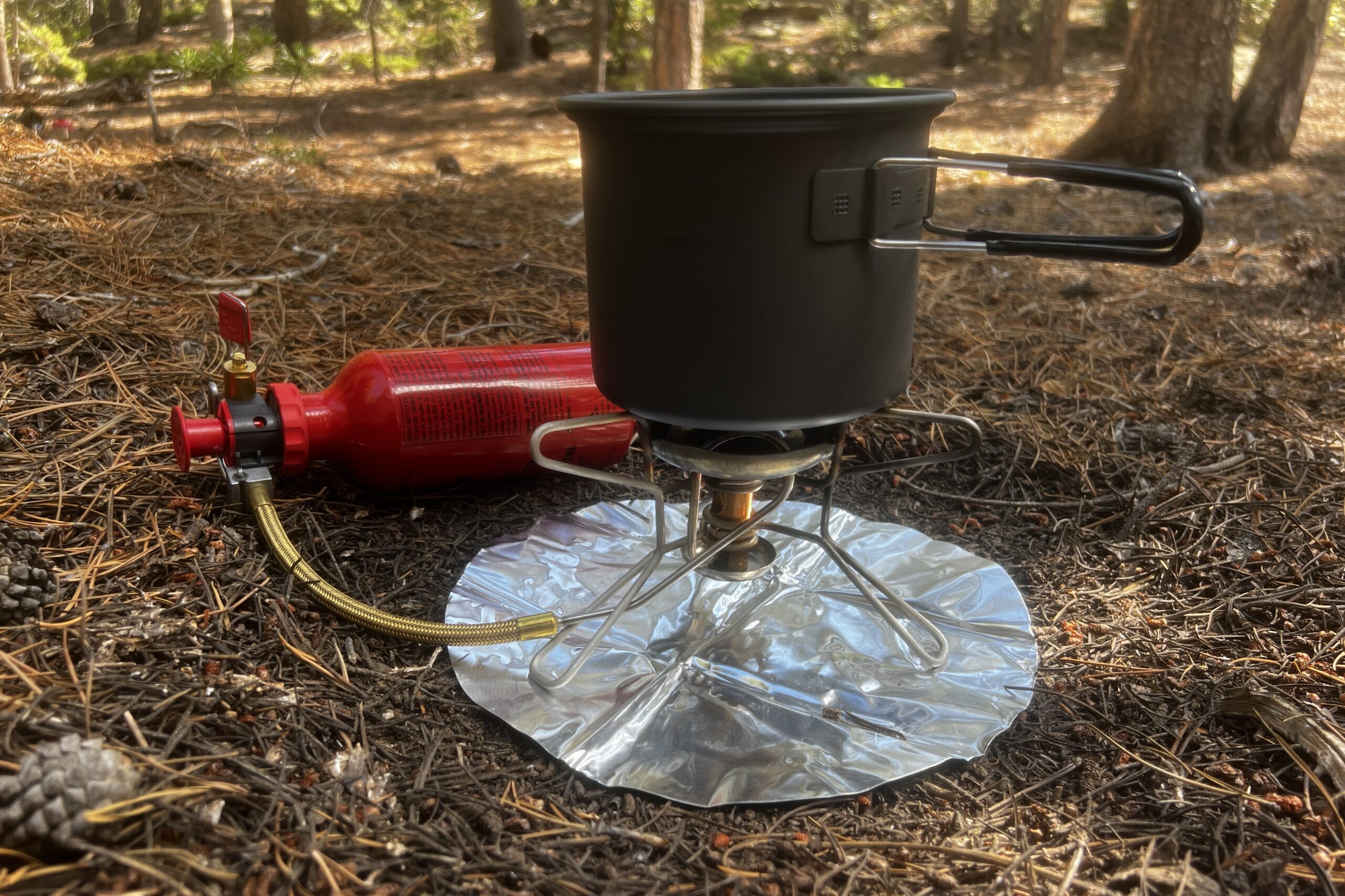
Not all stoves are created equal when it comes to high-altitude performance. The key is how well they maintain pressure. Unpressurized canister stoves, the type many backpackers start with, struggle significantly at higher elevations. They rely on the vapor pressure of the fuel canister itself to push fuel to the burner. As altitude increases, this vapor pressure decreases, resulting in a weaker flame and reduced output.
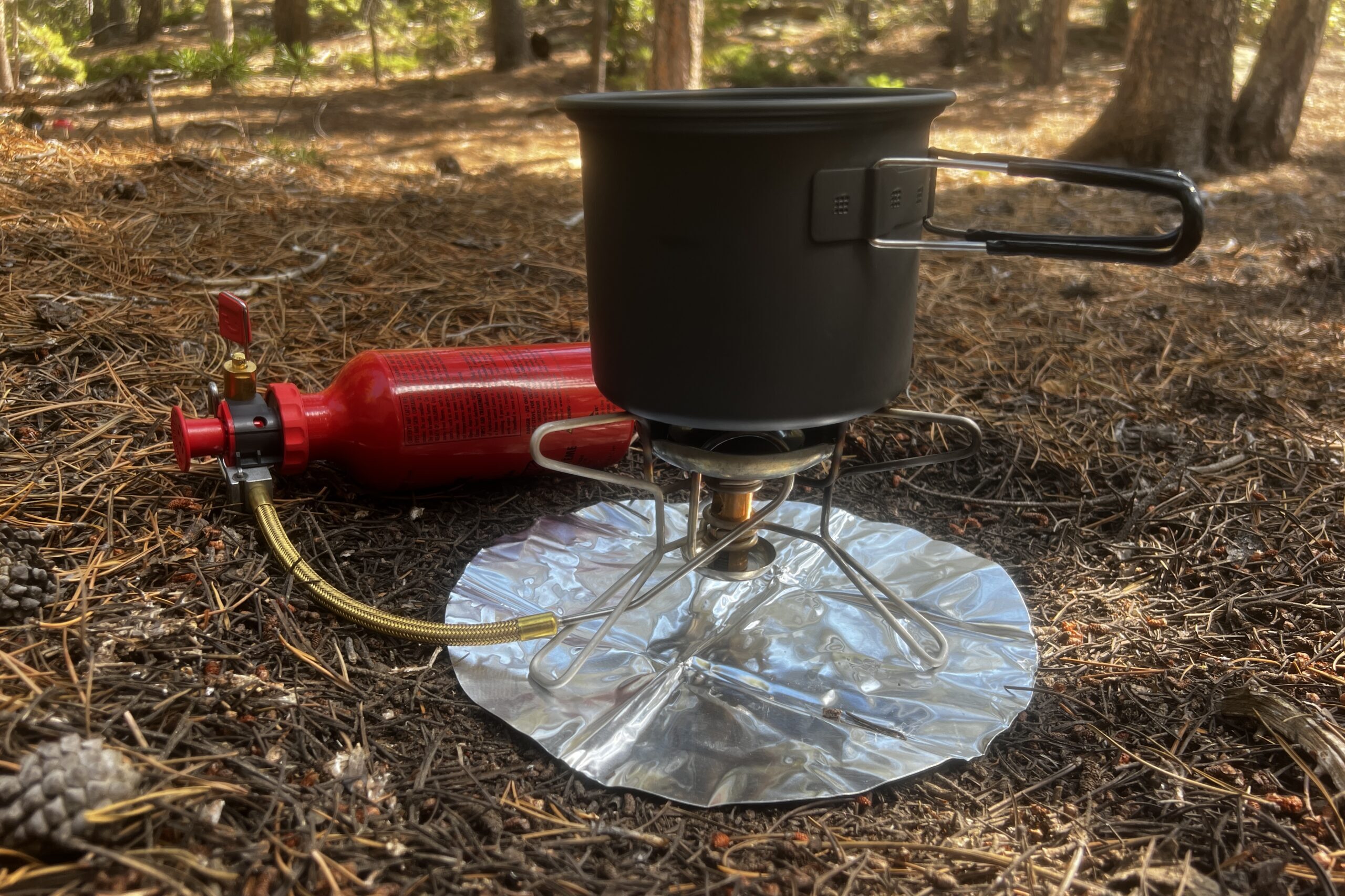
Pressurized stoves, like those that use white gas or multifuel, are far more reliable. These stoves have a built-in pump that allows you to manually pressurize the fuel tank, ensuring a consistent fuel flow regardless of external atmospheric pressure. This is why they are a favorite among mountaineers and backcountry adventurers. They’re a bit heavier and require more maintenance, but the reliability is worth it.
Regulated canister stoves are a lighter alternative. The internal regulator manages the fuel flow to compensate for the thinning air, though they still lose some punch when the temperature drops below freezing. I use these for summer alpine trips where I don't want the weight of a liquid fuel bottle.
Alcohol stoves are often mentioned in backpacking circles, but their performance at altitude is generally poor. They rely on evaporation, and the lower boiling point at altitude means they produce even less vapor pressure. While they might work for a quick cup of tea, I wouldn't recommend them for serious cooking above 10,000 feet. You’ll spend more time waiting for water to boil than enjoying your meal.
Top 10 Stoves for 10,000+ Feet (2026)
Choosing the right stove for high-altitude cooking requires careful consideration. Here's a rundown of ten stoves that have proven their worth, with a focus on performance at elevation. Prices are approximate and can vary.
MSR Whisperlite Universal: A classic for a reason. This multifuel stove is incredibly reliable and can burn white gas, kerosene, unleaded gasoline, and even diesel. Weight: 9.3 oz. Boil Time (Sea Level): 3.5 minutes. Boil Time (10,000 ft): ~5-6 minutes. Price: $130-160. The pump is durable and the maintenance is straightforward. It's a bit noisy, and the fuel bottle can be finicky.
Jetboil Flash Cooking System: A popular integrated system. While not a pressurized stove in the traditional sense, the design minimizes heat loss and improves efficiency, making it surprisingly effective at altitude. Weight: 13.1 oz. Boil Time (Sea Level): 2 minutes. Boil Time (10,000 ft): ~3-4 minutes. Price: $150-180. It's fast and convenient, but limited to Jetboil fuel canisters.
Primus OmniFuel: Another excellent multifuel option, known for its robust construction and precise flame control. Weight: 11.7 oz. Boil Time (Sea Level): 3 minutes. Boil Time (10,000 ft): ~4.5-5.5 minutes. Price: $170-200. It's a bit heavier than the Whisperlite, but the flame control is superior.
BRS-3000T Titanium Stove: An incredibly lightweight canister stove, suitable for ultralight backpacking. Weight: 0.9 oz. Boil Time (Sea Level): ~4.5 minutes. Boil Time (10,000 ft): ~6-7 minutes. Price: $30-40. It’s incredibly affordable, but performance drops significantly at altitude. Best for boiling water only, not complex cooking.
Soto MSR-14G Pocket Torch: A compact and reliable canister stove with a pressure regulator. Weight: 3.1 oz. Boil Time (Sea Level): 2.5 minutes. Boil Time (10,000 ft): ~3.5-4.5 minutes. Price: $70-90. The regulator helps maintain consistent output, but it can struggle in extreme cold.
Snow Peak GigaPower Automatic Stove II: A solid canister stove with a good reputation for reliability. Weight: 8.8 oz. Boil Time (Sea Level): 3 minutes. Boil Time (10,000 ft): ~4-5 minutes. Price: $80-100. It’s easy to use, but lacks a pressure regulator.
Vargo Hexagon X2.0: A minimalist alcohol stove, best suited for shorter trips or as a backup. Weight: 2.6 oz. Boil Time (Sea Level): ~8-10 minutes. Boil Time (10,000 ft): ~12-15 minutes. Price: $40-50. It's incredibly lightweight and simple, but slow and inefficient at altitude.
Kovea Spider: A unique stove with a wide burner head, providing even heat distribution. Weight: 6.3 oz. Boil Time (Sea Level): 3.5 minutes. Boil Time (10,000 ft): ~5-6 minutes. Price: $60-80. It’s a good all-around option, but the wide burner head can be susceptible to wind.
Optimus Nova+: A high-performance multifuel stove designed for demanding conditions. Weight: 12.4 oz. Boil Time (Sea Level): 2.5 minutes. Boil Time (10,000 ft): ~4-5 minutes. Price: $200-250. It’s expensive, but incredibly reliable and efficient.
Coleman Classic Propane Stove: While not designed for backpacking, this stove can perform adequately at altitude if shielded from the wind. Weight: 146 oz. Boil Time (Sea Level): 5 minutes. Boil Time (10,000 ft): ~7-8 minutes. Price: $40-60. It's bulky and heavy, but a good option for basecamp cooking.
Fuel Choices: Beyond Butane & Propane
The type of fuel you choose is just as important as the stove itself. Butane and propane blends are common in canister stoves, but their performance varies with temperature and altitude. Butane performs well in warmer conditions, but struggles in the cold. Propane has a lower boiling point and performs better in colder temperatures, but provides less energy per unit volume.
For high-altitude cooking, a blend of isobutane and propane is often the best compromise. Isobutane provides consistent pressure, while propane ensures reliable ignition in cold weather. White gas (naphtha) is the fuel of choice for pressurized stoves. It’s incredibly stable, burns cleanly, and is readily available worldwide. Liquid fuels are excellent when temperatures are sub-freezing.
I’ve personally had the most consistent results with white gas, especially on extended trips where fuel availability is a concern. It’s a bit more work to prepare and clean up with, but the reliability is unmatched. I've found that canisters with a higher percentage of isobutane perform better at altitude, but they can be more expensive.
Consider the duration of your trip and the expected temperatures. For shorter trips in moderate conditions, a canister stove with an isobutane/propane blend might suffice. For longer trips or colder conditions, a pressurized white gas stove is the more sensible choice.
The truth about boil times
Advertised boil times are almost always measured at sea level under ideal conditions. Don’t expect to boil a liter of water in two minutes at 10,000 feet, even with the fastest stoves. Boil times will increase significantly with altitude, and the exact increase depends on the stove type, fuel, and weather conditions.
Expect a 30-50% increase in boil time for canister stoves at 10,000 feet, and potentially more in colder temperatures. Pressurized stoves are less affected, but you’ll still see an increase of 20-30%. Wind can also dramatically increase boil times, so always use a wind screen.
Here’s a rough estimate of expected boil time increases:
| Altitude (Feet) | Canister Stove Increase | Pressurized Stove Increase |
|-----------------|--------------------------|-----------------------------|
| 5,000 | 15-25% | 10-15% |
| 10,000 | 30-50% | 20-30% |
| 15,000 | 50-75% | 30-40% |
Estimated Boil Time Increases at Altitude (1 Liter of Water)
| Stove Type | Altitude (Feet) | Estimated Boil Time Increase (Minutes) | Notes |
|---|---|---|---|
| Canister Stove | 5,000 | 1-3 | Performance begins to noticeably degrade; fuel mixture changes with reduced air pressure. |
| Canister Stove | 10,000 | 3-7 | Significant performance reduction; may require wind protection and pre-heating canister. |
| Canister Stove | 15,000 | 7-12+ | Difficult to achieve a consistent boil; fuel efficiency drops dramatically. |
| Liquid Fuel Stove | 5,000 | 0-1 | Minimal impact; priming may be slightly more frequent. |
| Liquid Fuel Stove | 10,000 | 1-3 | Generally reliable; may require slight adjustments to fuel flow. |
| Liquid Fuel Stove | 15,000 | 2-5 | Maintains relatively consistent performance with proper priming and adjustment. |
| Alcohol Stove | 5,000 | 1-2 | Slightly reduced efficiency, but generally manageable. |
| Alcohol Stove | 10,000 | 2-5 | Noticeable increase in boil time; wind is a significant factor. |
| Alcohol Stove | 15,000 | 5-10+ | Boiling can be very slow and unreliable; fuel consumption increases. |
Illustrative comparison based on the article research brief. Verify current pricing, limits, and product details in the official docs before relying on it.
Cooking at Altitude: Techniques & Adjustments
Beyond choosing the right stove and fuel, you need to adjust your cooking techniques. As noted by New Mexico State University’s Cooperative Extension Service (pubs.nmsu.edu), lower boiling temperatures require longer cooking times. Foods that rely on steam for cooking, like rice and potatoes, will take significantly longer to become tender.
Always use a lid to trap heat and reduce evaporation. Adding extra water to your pot can also help compensate for the lower boiling point. You might need to increase the amount of liquid in recipes by 25-50%. Be patient and check for doneness frequently.
I’ve found that pressure cooking is an excellent option at high altitude. The increased pressure raises the boiling point, allowing you to cook food more quickly and efficiently. Simple recipes like stews and soups are particularly well-suited for pressure cooking in the backcountry.
Here’s a simple high-altitude pasta recipe I’ve tested: Add 1.5 cups of water to your pot, bring to a boil, add 1 cup of pasta, and cook for 15-20 minutes, or until tender. Don’t be afraid to add more water if necessary.
Troubleshooting: Common High-Altitude Stove Issues
Stoves can be finicky at altitude, and you’re likely to encounter some issues. Sputtering is a common problem with canister stoves, caused by a decrease in fuel pressure. Try shielding the stove from the wind and ensuring the canister is adequately warmed. Inconsistent flame can also be caused by low fuel pressure or a clogged burner.
Difficulty lighting is another frequent complaint. Make sure your stove is properly primed (for liquid fuel stoves) and that the burner is clean. A faulty igniter can also be the culprit. Carry a backup lighter or matches. I’ve learned to always carry extra fuel and a basic repair kit, including a cleaning needle and spare o-rings.
I once spent a frustrating hour trying to light my stove at 12,000 feet, only to discover that a tiny piece of debris had clogged the burner. A quick cleaning with a needle solved the problem, but it was a valuable lesson in the importance of preparedness.
No comments yet. Be the first to share your thoughts!