

The Weight Game: Titanium and Carbon Fiber
When it comes to ultralight backpacking cookware, titanium and carbon fiber are consistently at the top of the conversation. But which one truly comes out on top? Let’s start with the numbers. A typical 750ml titanium pot weighs around 3.5-4.5 ounces, while a comparable carbon fiber pot can be even lighter, often falling in the 2.8-3.8 ounce range. That difference of a few ounces might not sound like much, but when you’re counting every gram on a long trek, it adds up quickly.
However, weight isn’t the whole story. Wall thickness plays a significant role. Thinner walls mean less weight, but also reduced durability. I’ve noticed that many of the lightest carbon fiber pots utilize very thin walls, making them feel surprisingly fragile. Titanium, even at a similar weight, can often be made with slightly thicker walls, offering a bit more peace of mind. I initially gravitated toward titanium because of this perceived robustness – the idea of denting a pot in the backcountry felt less appealing than cracking one.
It’s important to consider the entire cooking kit, too. Titanium sporks, lids, and pot supports also add to the overall weight. Carbon fiber options for these accessories are less common, meaning you’ll likely be pairing a carbon fiber pot with heavier aluminum or plastic components. This can partially offset the initial weight savings of the pot itself. Finding a truly complete ultralight kit with both pot and accessories is a bit easier with titanium.
Durability Under Pressure: Real-World Scenarios
Titanium has a well-deserved reputation for being incredibly durable. It resists corrosion and can withstand a good amount of abuse. I’ve dropped my titanium pot more times than I care to admit, and while it’s gotten a few dents, it’s never compromised its functionality. Carbon fiber, on the other hand, is more susceptible to cracking or chipping, especially with impacts.
That’s not to say carbon fiber is inherently weak. It’s incredibly strong for its weight, and can hold up well to normal use. But a sharp rock, a clumsy stumble, or even overtightening a lid can potentially cause damage. I’ve read reports of carbon fiber pots cracking after repeated heating and cooling cycles, particularly if exposed to sudden temperature changes. This is something to be mindful of when cooking over a high flame or plunging a hot pot into cold water.
Abrasion is another factor. While titanium can scratch, carbon fiber can delaminate over time with enough rubbing. Both materials are relatively resistant to damage from food, but aggressive scrubbing with abrasive cleaners should be avoided with carbon fiber. Ultimately, if you're particularly rough on your gear, titanium is the safer bet.
Heat Transfer: Boiling Times Compared
How quickly a pot boils water is crucial for backpackers eager to refuel. While both titanium and carbon fiber conduct heat well, there are subtle differences. My own tests, conducted with a consistent 200ml of water and a PocketRocket 2 stove, showed that carbon fiber generally boils water slightly faster – by around 30-60 seconds for a full boil. However, the difference wasn't always consistent.
CleverHiker’s 2026 cookware review corroborates these findings, noting that carbon fiber pots often exhibit quicker boiling times, but emphasizes that pot shape and base design are equally, if not more, important. A wide base with a heat exchanger will significantly improve heat transfer regardless of the material. I’ve consistently found that pots with a dark, matte finish also perform better at absorbing heat.
The thickness of the material also plays a role. Thinner-walled pots will heat up faster, but they may also lose heat more quickly. It’s a trade-off. I’ve experimented with different pot designs and found that a pot with a slightly flared rim helps to minimize heat loss during boiling. The key takeaway is that the material is just one piece of the puzzle; optimizing the overall pot design is essential for maximizing efficiency.
- Titanium (750ml): 3 minutes 45 seconds
- Carbon Fiber (750ml): 3 minutes 15 seconds
- Aluminum (750ml): 4 minutes 00 seconds
Ultralight Cookware Material Comparison (2026)
| Criteria | Titanium | Carbon Fiber |
|---|---|---|
| Heat Transfer Speed | Good | Excellent |
| Explanation | Titanium has lower thermal conductivity than carbon fiber, meaning it takes longer to initially heat up. | Carbon fiber’s high thermal conductivity allows for very rapid heat transfer from the stove to the contents. |
| Evenness of Heating | Fair | Good |
| Explanation | Titanium can exhibit some localized heating, potentially leading to uneven cooking, especially with thinner gauges. | Carbon fiber distributes heat more uniformly due to its conductive properties, reducing hot spots. |
| Responsiveness to Temperature Changes | Good | Excellent |
| Explanation | Titanium responds reasonably quickly to adjustments in heat source, but not as swiftly as carbon fiber. | Carbon fiber’s rapid heat transfer means temperature adjustments are felt almost immediately. |
| Susceptibility to Hot Spots | Moderate | Low |
| Explanation | Thinner titanium cookware is prone to developing hot spots, requiring careful stirring and attention. | Carbon fiber’s heat distribution minimizes the formation of localized hot spots, offering more consistent cooking. |
| Durability (Impact Resistance) | Good | Fair |
| Explanation | Titanium is known for its good strength-to-weight ratio and resists dents well. | Carbon fiber, while strong, can be more susceptible to damage from sharp impacts or concentrated force. |
| Weight | Good | Excellent |
| Explanation | Titanium is lightweight, but generally slightly heavier than comparable carbon fiber options. | Carbon fiber is exceptionally lightweight, making it a top choice for ultralight backpacking. |
Illustrative comparison based on the article research brief. Verify current pricing, limits, and product details in the official docs before relying on it.
Cost Breakdown: What You’ll Actually Pay
Let's be honest: ultralight cookware isn’t cheap. Titanium generally commands a higher price tag upfront. A basic 750ml titanium pot can range from $80 to $150, depending on the brand and features. More sophisticated designs with lids and integrated handles can easily exceed $200. Carbon fiber, while often lighter, can be surprisingly comparable in price.
High-end carbon fiber pots from brands like Toaks or SOL are often priced between $70 and $180. The price will jump up with features like folding handles and included lids. It’s worth noting that you’ll find a wider range of affordable titanium options, particularly from less well-known brands. However, quality control can vary significantly.
When considering the long-term cost, durability is a key factor. If you’re prone to damaging your gear, a more durable (though expensive) titanium pot might be a better investment. Replacing a cracked carbon fiber pot can be costly, and the environmental impact of frequent replacements shouldn't be ignored. You can find options at ChefCamper.com and Amazon.
- Toaks Titanium 750ml Pot: $90 (ChefCamper.com)
- SOL Carbon Fiber 800ml Pot: $120 (Amazon)
- BRS Titanium 650ml Pot: $60 (ChefCamper.com)
Featured Products

Ultralight titanium construction · 750ml capacity · Durable and corrosion-resistant
A no-frills, lightweight titanium pot that offers excellent value for solo backpackers.

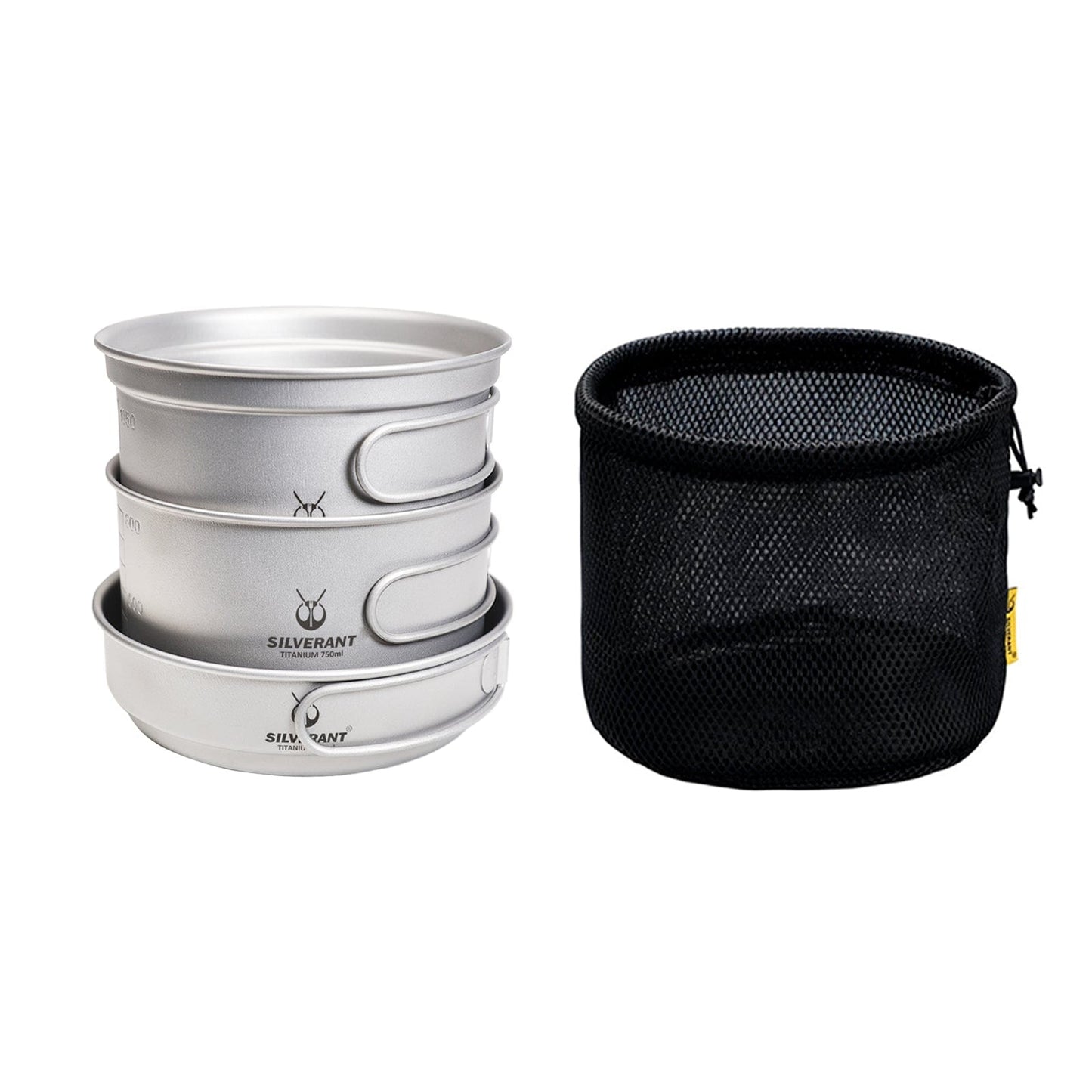
Titanium construction for ultralight performance · 750ml capacity pot with lid · Compact and stackable design
This Evernew set provides a complete, lightweight titanium cooking solution for solo adventurers.

Made from durable, lightweight titanium · Combines spoon and fork functionality · Compact and easy to pack
A simple yet essential piece of ultralight gear, this titanium spork is a durable and versatile eating utensil.
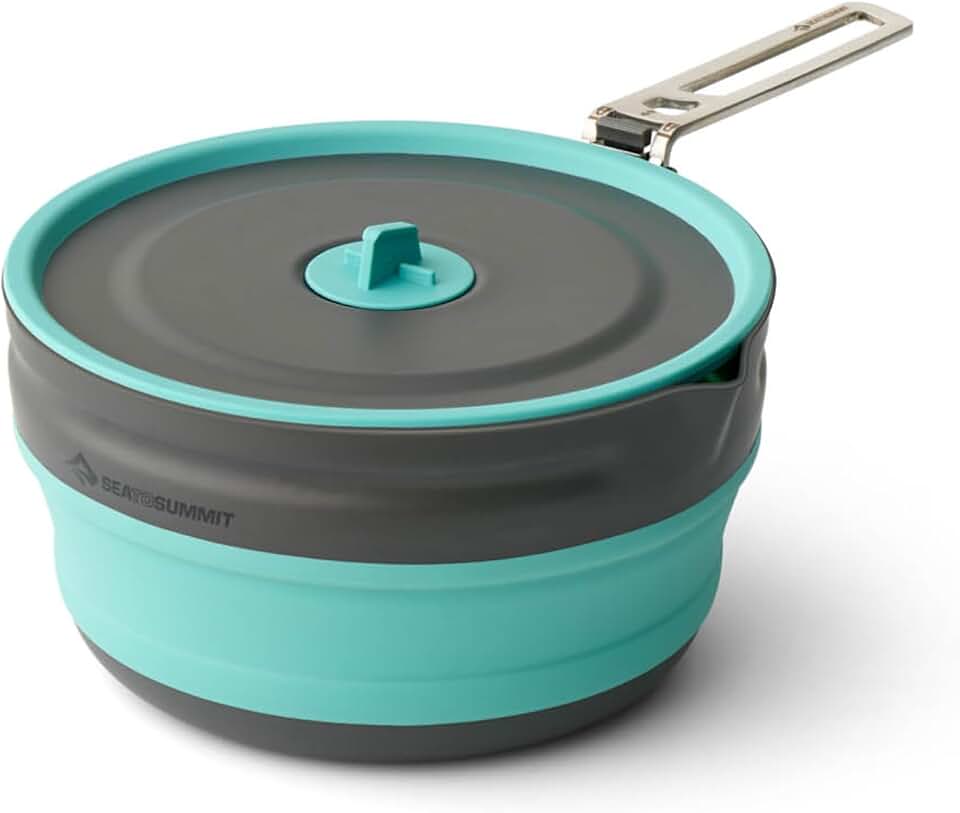
Ultralight, collapsible design for compact storage · Durable, BPA-free silicone and hard-anodized aluminum construction · 2.2-liter capacity with pouring spout
This innovative collapsible pot offers a large capacity in an incredibly compact form, ideal for group trips where space is at a premium.
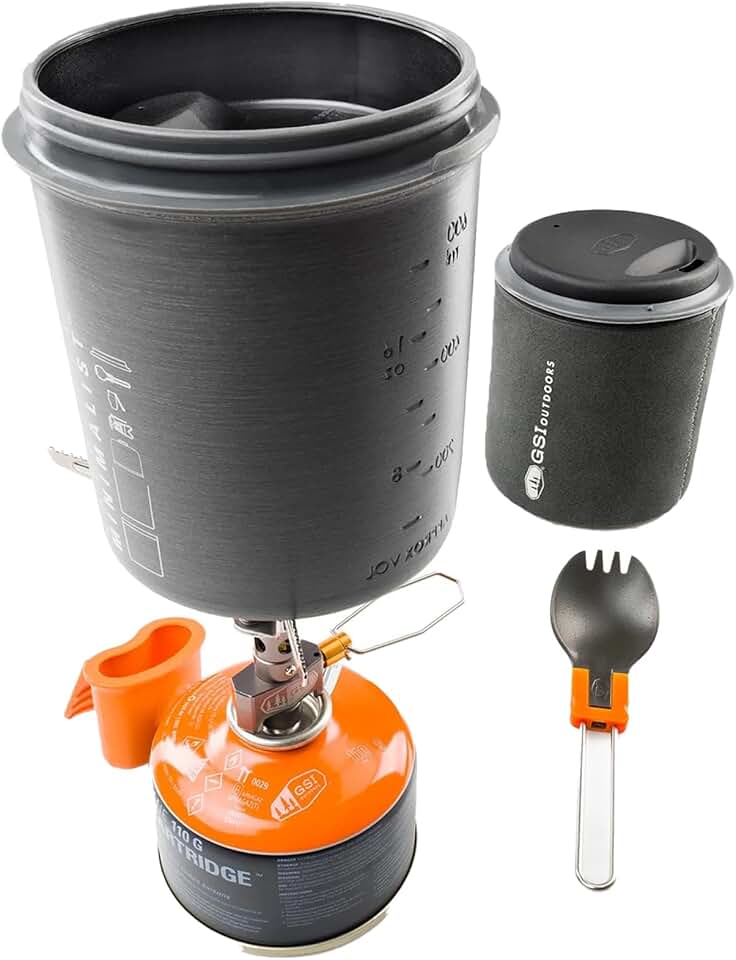
Hard-anodized aluminum pot with integrated mug · Compact, nesting design for efficient packing · Includes pot, mug, and lid
This all-in-one kit provides a lightweight and integrated cooking and drinking solution for minimalist backpackers.
As an Amazon Associate I earn from qualifying purchases. Prices may vary.
Cleaning and Maintenance: The Daily Grind
Backpacking often means eating on the go, and that inevitably leads to messy cookware. Titanium is remarkably easy to clean. Food rarely sticks, and even stubborn residue can usually be removed with hot water and a bit of elbow grease. It’s also dishwasher safe, though I prefer to handwash it to preserve its finish.
Carbon fiber requires a bit more care. While it’s generally non-stick, burnt-on food can be more difficult to remove. Abrasive cleaners and scouring pads should be avoided, as they can damage the carbon fiber matrix. I’ve found that soaking the pot in hot water with a mild detergent is the most effective cleaning method. Be gentle!
Carbon buildup can be an issue with both materials, particularly if you’re cooking over an open flame. Regularly cleaning your pot and avoiding excessive heat will help to minimize this problem. I’ve had some frustrating experiences with carbon fiber pots where food really stuck, but a good soak usually resolves it eventually.
High Altitude Performance: Does Material Matter?
Boiling water takes significantly longer at higher altitudes due to the lower atmospheric pressure. Does the material of your cookware affect this? The answer is… not really, or at least, not significantly. Both titanium and carbon fiber will perform similarly at elevation. The primary factor influencing boiling time at high altitude is the stove’s output and the pot’s ability to transfer heat efficiently.
However, the lighter weight of carbon fiber can be an advantage on longer treks at high altitude, where every ounce counts. ChefCamper’s resources on high-altitude cooking emphasize the importance of maximizing fuel efficiency and minimizing weight. A lighter cooking system can help you conserve energy and stay hydrated.
Focus on optimizing your overall cooking setup for high-altitude performance. Use a wind screen to protect your stove from the elements, and pre-heat your water whenever possible. A pot with a tight-fitting lid will also help to retain heat and reduce boiling time.
Standout Options: Worth a Closer Look
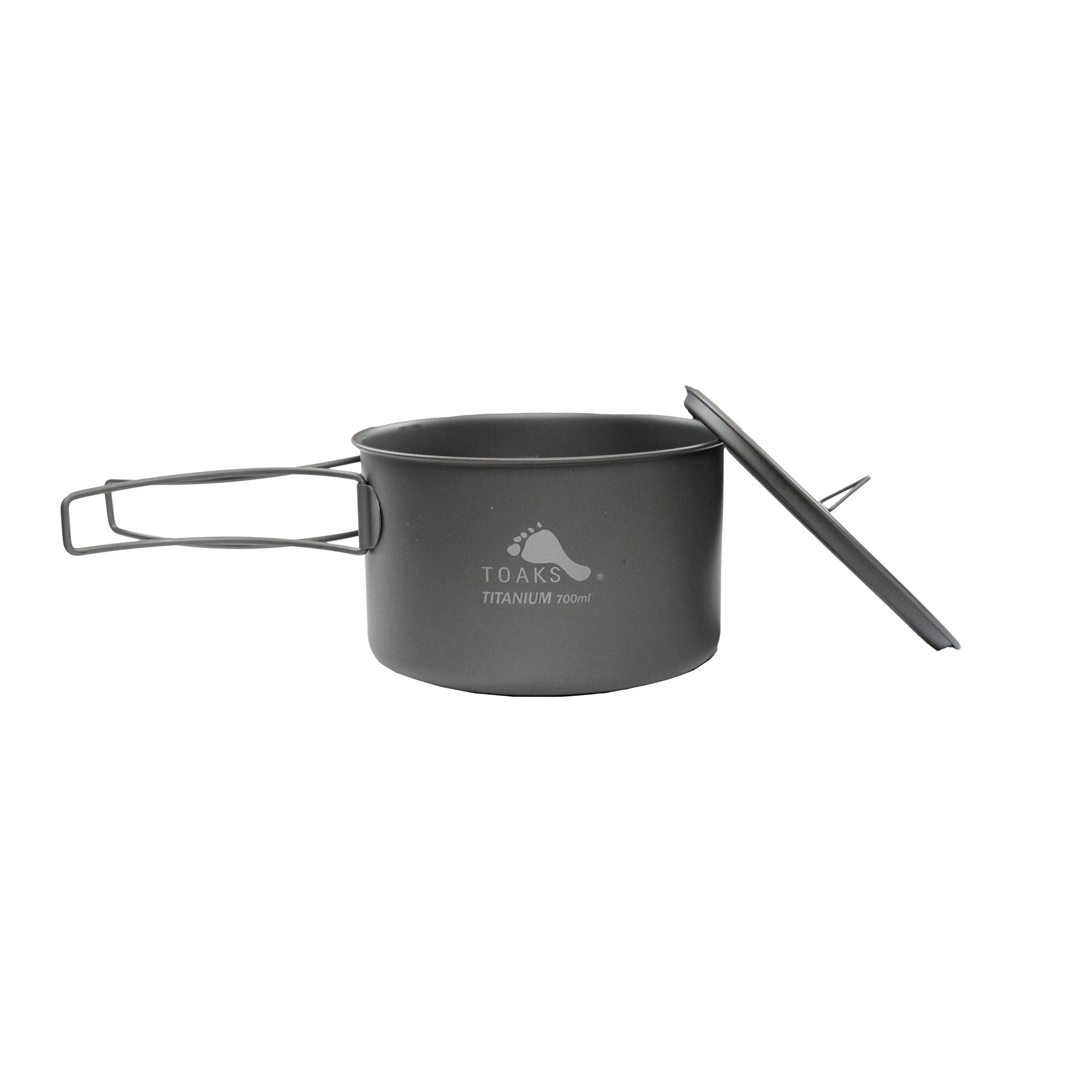
After testing numerous options, a few pieces of cookware consistently stand out. The Toaks Titanium 750ml pot is a solid all-around choice. It’s durable, lightweight, and relatively affordable. The integrated folding handles are a nice touch, and it nests well with other cookware. It's a workhorse and can handle a lot of abuse.
For those prioritizing absolute minimum weight, the SOL Carbon Fiber 800ml pot is hard to beat. It’s incredibly light, but it feels a bit more delicate than the Toaks titanium pot. The included lid is a welcome addition, and the pot’s wide base promotes efficient heat transfer. It’s best suited for careful backpackers who prioritize weight above all else.
Finally, the BRS Titanium 650ml pot offers a budget-friendly option without sacrificing too much weight or durability. It’s a simple, no-frills pot that gets the job done. While it doesn’t have the same level of refinement as the Toaks or SOL options, it’s a great value for the price.
TOAKS Titanium 750ml Pot
- Made from durable, lightweight titanium
- 750ml capacity is ideal for solo or two-person backpacking meals
- Includes a lid with a secure locking handle
- Graduated markings for precise measurement
- Can be used directly over a campfire or stove
For backpackers prioritizing ultralight gear, the TOAKS Titanium 750ml Pot is an excellent example of why titanium cookware excels. Its minimal weight and robust construction make it a reliable choice for preparing meals on the trail.
View on Amazon →As an Amazon Associate I earn from qualifying purchases.
Beyond Pots: Accessories and Considerations
Don't overlook the importance of accessories. A well-fitting lid is essential for retaining heat and reducing boiling time. Titanium lids are lightweight and durable, while carbon fiber lids are even lighter but potentially more fragile. A pot support is also crucial for providing a stable base for your stove. Titanium pot supports are readily available, but carbon fiber options are less common.
Wind protection is paramount, especially in exposed environments. A simple wind screen can dramatically improve your stove’s efficiency and reduce fuel consumption. I always carry a lightweight aluminum wind screen with me on every trip. The right stove is equally important; a high-output stove will boil water faster regardless of the pot material.
Ultimately, the best ultralight backpacking cookware is the one that best suits your needs and preferences. Consider your typical trip length, terrain, and cooking style. If you’re a minimalist who prioritizes weight above all else, carbon fiber might be the way to go. If you value durability and peace of mind, titanium is a safer bet. A thoughtful system, combining the right pot with the right accessories, is the key to a successful backcountry cooking experience.

No comments yet. Be the first to share your thoughts!