
The sub-2 pound kitchen
A light pack makes miles easier. The kitchen is usually the first place I look to cut weight because heavy stoves and steel pots add up faster than most people realize.
Of course, going ultralight involves trade-offs. You might sacrifice some cooking versatility, durability, or convenience. The really cheap options often don’t last, and the most durable gear can be quite expensive. Finding the right balance depends on your budget, your trip length, and your personal priorities. I’ve found that investing a little more upfront often saves you money – and frustration – in the long run.
Backpacking stoves and cookware have come a long way. Early backpackers often relied on heavy, inefficient gear. Now, we have titanium pots that weigh barely more than a smartphone, and stoves that simmer beautifully on just a few grams of fuel. This evolution has made the sub-2-pound kitchen a very achievable goal for solo hikers and even some pairs.
Let's be realistic, though. A complete kitchen – meaning everything you need to prepare and consume a hot meal – under 2 pounds requires meticulous planning and careful selection. It means questioning every item and asking yourself if it’s truly essential. It’s not about deprivation, it's about efficiency.
Stoves and fuel
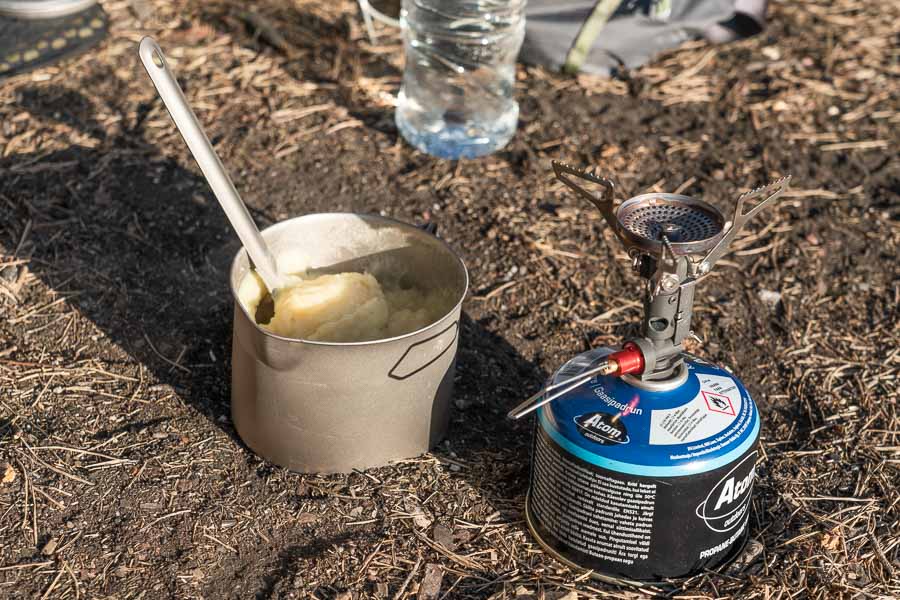
The stove is the heart of your backpacking kitchen. Choosing the right one depends heavily on your typical trip length, climate, and cooking style. Canister stoves, alcohol stoves, and solid fuel stoves each have their own strengths and weaknesses. Canister stoves are popular for their ease of use and relatively quick boil times.
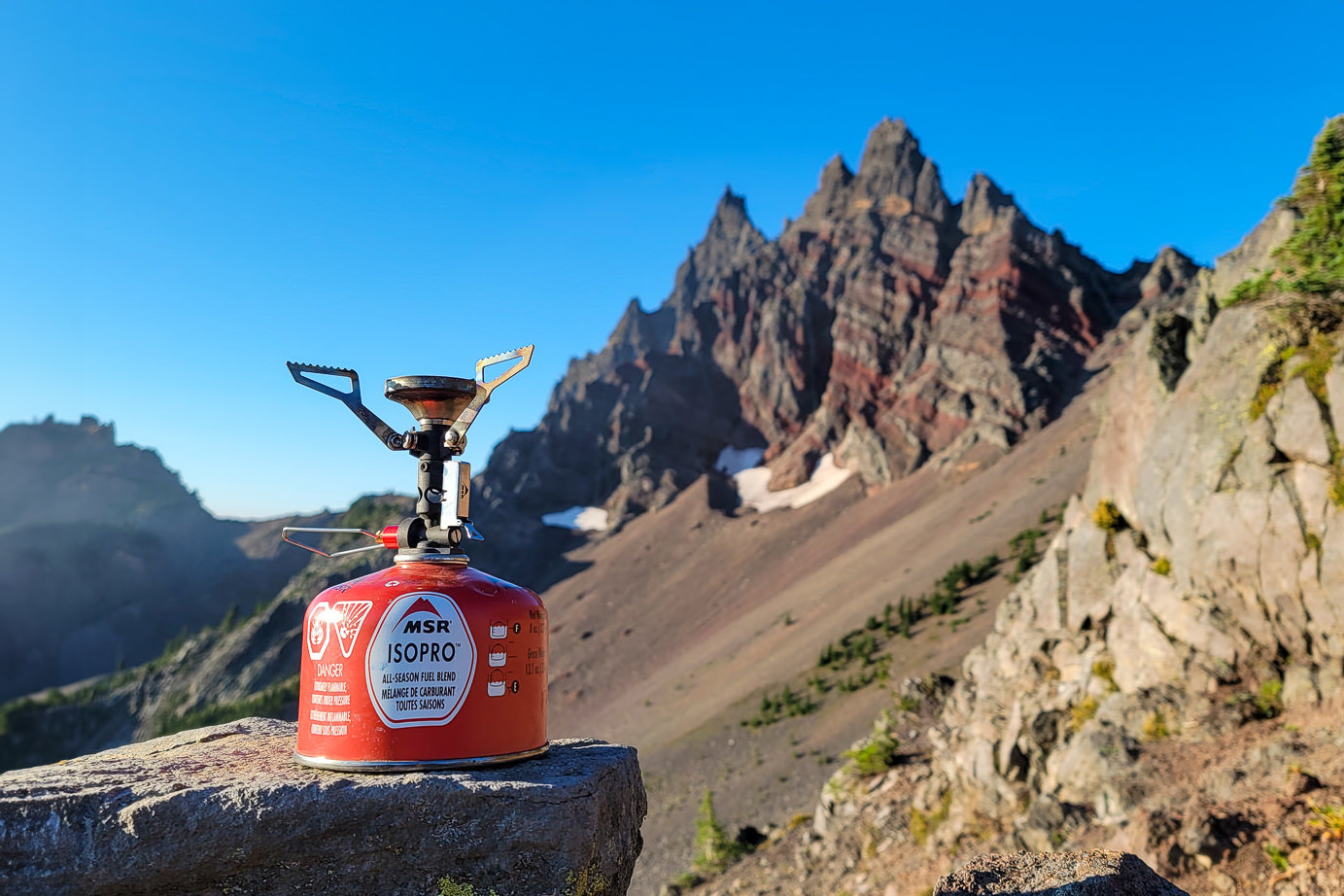
Isobutane canisters are the standard for a reason. The MSR PocketRocket 3 is reliable and boils a liter in under four minutes. If you want to go cheaper and lighter, the $20 BRS-3000T is an option, though it's flimsy. I use it only with a windscreen because the slightest breeze kills its efficiency.
Alcohol stoves, like the Trangia, are incredibly simple and fuel – denatured alcohol – is cheap. They're also very quiet, which is a plus for stealth camping. However, they’re notoriously slow to boil and can be affected by wind. DIY soda can stoves are a popular option for those who want to go even lighter, but they require some effort to build and aren't always the most efficient.
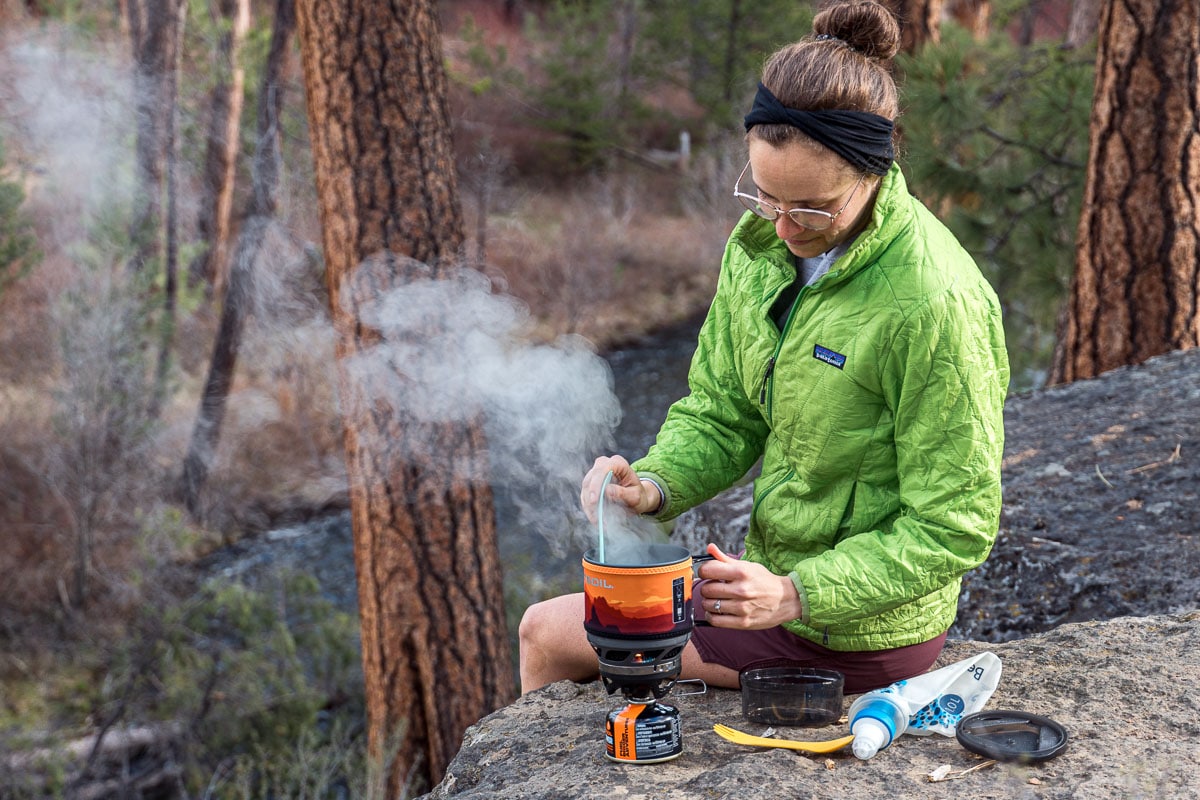
Integrated canister stoves, such as the Jetboil Flash, combine the stove and pot into a single unit, maximizing efficiency. They boil water very quickly, which is great for dehydrated meals, but they’re generally heavier than other options. A Jetboil Flash system weighs around 12.6 ounces, putting a significant dent in your sub-2-pound goal. Cold-weather performance is also a major consideration; canister stoves can struggle in freezing temperatures, while alcohol stoves are less affected.
Cookware materials
Once you have a stove, you need something to cook in. The material of your cookware significantly impacts its weight, durability, and heat transfer. Titanium is the gold standard for ultralight backpacking, offering an excellent strength-to-weight ratio. However, it's also the most expensive option.
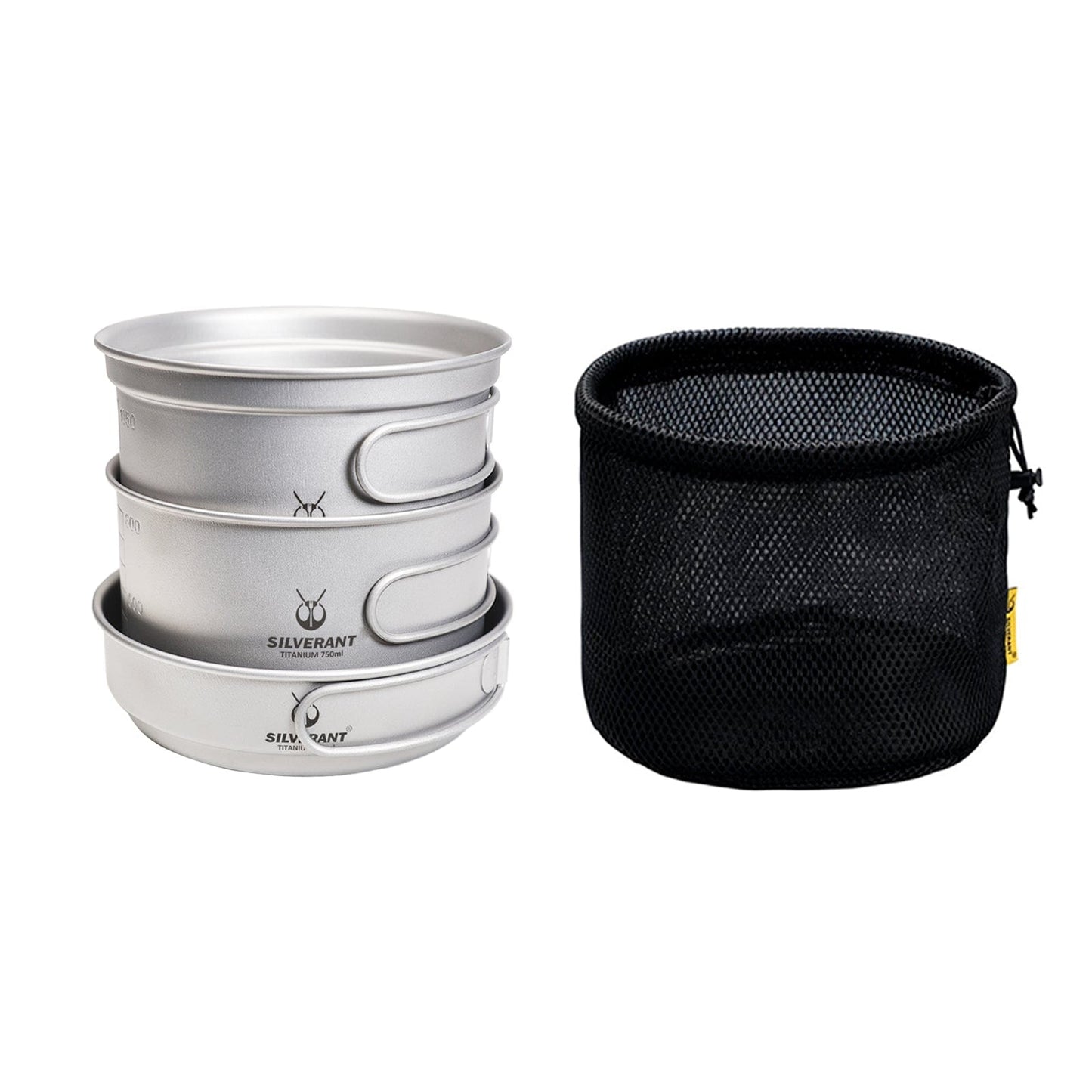
Aluminum is a more affordable alternative, and it conducts heat very well. It's also lighter than stainless steel, but it's not as durable as titanium. Stainless steel is incredibly durable, but it's also the heaviest option. For most backpackers, titanium or aluminum are the best choices. A 750ml pot is a good all-around size for solo hikers, providing enough capacity for boiling water for a meal and a hot drink.
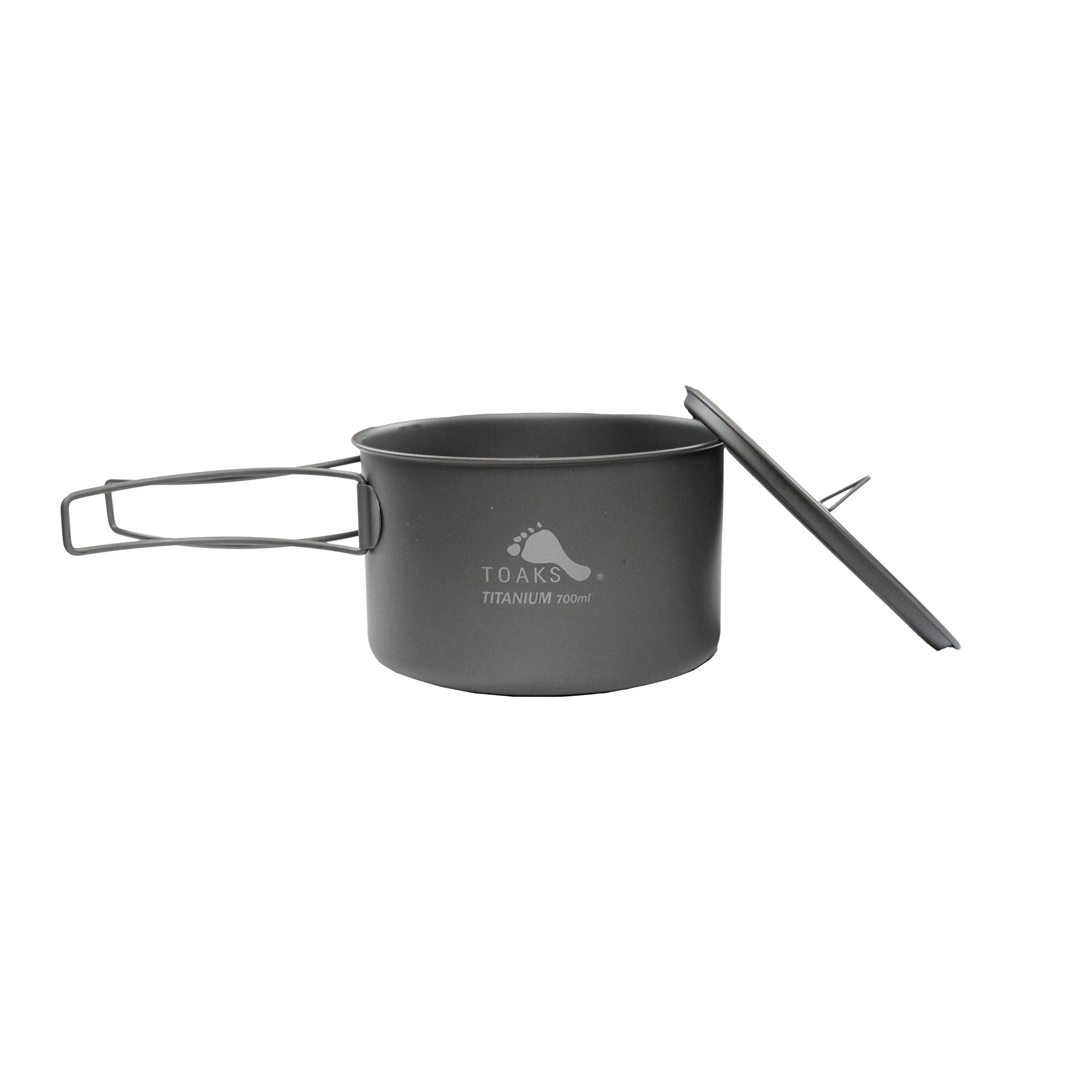
The Toaks Titanium 750ml pot is a popular choice, weighing just 3.5 ounces. Sea to Summit’s Alpha Light Spork is a classic – it’s lightweight, durable, and versatile. Folding handles, like those offered by Toaks, can save space and weight. I’m not sure about the long-term durability of some of the very cheapest titanium options available online – some seem prone to denting. Spending a bit more for a reputable brand is usually worth it.
Consider how the pot will pack. Some pots are designed to nest inside others, saving valuable space in your pack. A lid is also essential, as it helps to speed up boiling times and keep your food clean. A simple silicone lid is lightweight and effective.
- Toaks Titanium 750ml Pot: 3.5 oz, ~$60
- Sea to Summit Alpha Light Spork: 0.4 oz, ~$15
- Toaks Folding Handle: 0.6 oz, ~$10
Backpacking Cookware Material Comparison
| Material | Weight | Durability | Heat Transfer | Ease of Cleaning |
|---|---|---|---|---|
| Titanium | Excellent | Excellent | Good | Good |
| Aluminum | Very Good | Good | Excellent | Fair |
| Stainless Steel | Fair | Excellent | Good | Excellent |
| Titanium Alloy | Very Good | Better for corrosion resistance | Good | Good |
| Hard Anodized Aluminum | Good | Improved durability over standard aluminum | Excellent | Fair - can stain |
| Non-Stick Coated Aluminum | Good | Moderate - coating can be damaged | Good | Excellent, but requires careful handling |
Qualitative comparison based on the article research brief. Confirm current product details in the official docs before making implementation choices.
Water and utensils
Beyond the spork, think about how you'll stay hydrated. Water bottles, bladders, and collapsible containers all have their pros and cons. Water bottles are durable and easy to fill, but they can be bulky. Bladders offer convenient hands-free hydration, but they can be difficult to clean and prone to leaks.
Collapsible containers, like the HydraPak Stash 750ml, are a good compromise. They pack down small when empty and are relatively durable. No matter which option you choose, water purification is crucial. Giardia and other waterborne pathogens can ruin a trip quickly. The Katadyn BeFree 600ml filter bottle is a popular choice, offering a convenient all-in-one solution.
I've found that a simple Sawyer Squeeze filter is the most reliable and lightweight option for most trips. It’s easy to use, filters quickly, and is relatively inexpensive. Purification tablets are a good backup option, but they can leave a chemical taste in your water. Always carry a way to purify or filter water, even if you're confident in the source.
Don't forget a small, lightweight cup for enjoying hot beverages. A collapsible silicone cup is a good option, as it packs down small and won't add much weight to your pack.
Food Storage & Waste Management
Lightweight food storage is essential for keeping your food safe from animals and the elements. Ziploc bags and OPSak odor-proof bags are popular choices. OPSak bags are particularly useful in bear country, as they help to minimize odors that might attract bears. Bear canister requirements vary depending on the location, so be sure to check local regulations.
Leave No Trace principles are paramount. Pack out everything you pack in, and dispose of waste properly. Even biodegradable items can take a long time to decompose in the backcountry. I always double-bag everything, even seemingly innocuous items like granola bar wrappers, to prevent odors from escaping.
Consider using reusable food containers instead of disposable plastic bags whenever possible. This reduces your environmental impact and can also save weight. Proper food storage not only protects wildlife, but also protects your food from critters.
The 2026 ultralight gear list
Okay, let's get down to specifics. Here’s a list of essential items for a sub-2-pound backpacking kitchen, based on current gear available (late 2024/early 2025). Weights and prices are approximate and may vary.
This list assumes a solo hiker preparing simple meals. Adjust quantities and items as needed for group trips or more elaborate cooking plans. It prioritizes functionality and weight savings, but doesn’t completely sacrifice convenience.
- BRS-3000T Stove: 0.9 oz, $20
- Toaks Titanium 750ml Pot: 3.5 oz, $60
- Sea to Summit Alpha Light Spork: 0.4 oz, $15
- Katadyn BeFree 600ml Filter Bottle: 2.1 oz, $45
- Sawyer Squeeze: 3 oz, $35
- OPSak Odor-Proof Bag (2L): 1.0 oz, $20
- Titanium Windscreen: 1.0 oz, $15
- Lighter (Mini Bic): 0.7 oz, $3
- Small Knife/Multi-Tool: 1.5 oz, $20
- Collapsible Silicone Cup: 1.0 oz, $10
- Small Biodegradable Soap: 0.5 oz, $5
- Small Sponge/Scrub Pad: 0.3 oz, $3
- Ziploc Bags (various sizes): 1.0 oz, $5
- Fuel Canister (100g): 3.4 oz, $6
- Total Weight (approximate): 18.5 oz (1.16 pounds)
Packing It All In: Tips & Tricks
Efficient packing is key to maximizing space and minimizing weight. Nesting items is a great way to save space; your stove and fuel canister can often fit inside your pot. Use stuff sacks to organize your gear and compress soft items like clothing.
Distribute weight properly in your pack, keeping heavier items closer to your back and higher up. Keep your stove and fuel canister readily accessible for quick setup, especially if you plan to have a hot breakfast or dinner. I like to keep those items in an outer pocket or at the top of my pack.
Consider using a pot cozy to keep your food warm while it’s cooking and to insulate your hands. A small, lightweight towel can also be useful for cleaning up spills and drying your cookware. Remember, every ounce counts, so think carefully about what you really need and leave the rest at home.
No comments yet. Be the first to share your thoughts!