

The rise of connected cookware
Camping gear used to mean a dented pot and a spork. Now, stoves come with Bluetooth. It sounds like overkill, but for anyone who has ever scorched a risotto over a flickering white gas flame, the appeal of actual temperature control is obvious.
App-connected stoves and temperature-controlled gear are leading this charge. These aren't just gadgets for tech enthusiasts—they're tools that empower both novice and experienced campers to create truly remarkable meals. The rise of 'glamping' and gourmet camping has certainly fueled this demand, with people expecting a higher standard of food even when miles from civilization.
Consistent heat means less burnt food and fewer ruined pans. I wanted to see if the extra weight of batteries and sensors actually makes a trip better or if it just adds another thing to troubleshoot in the rain.
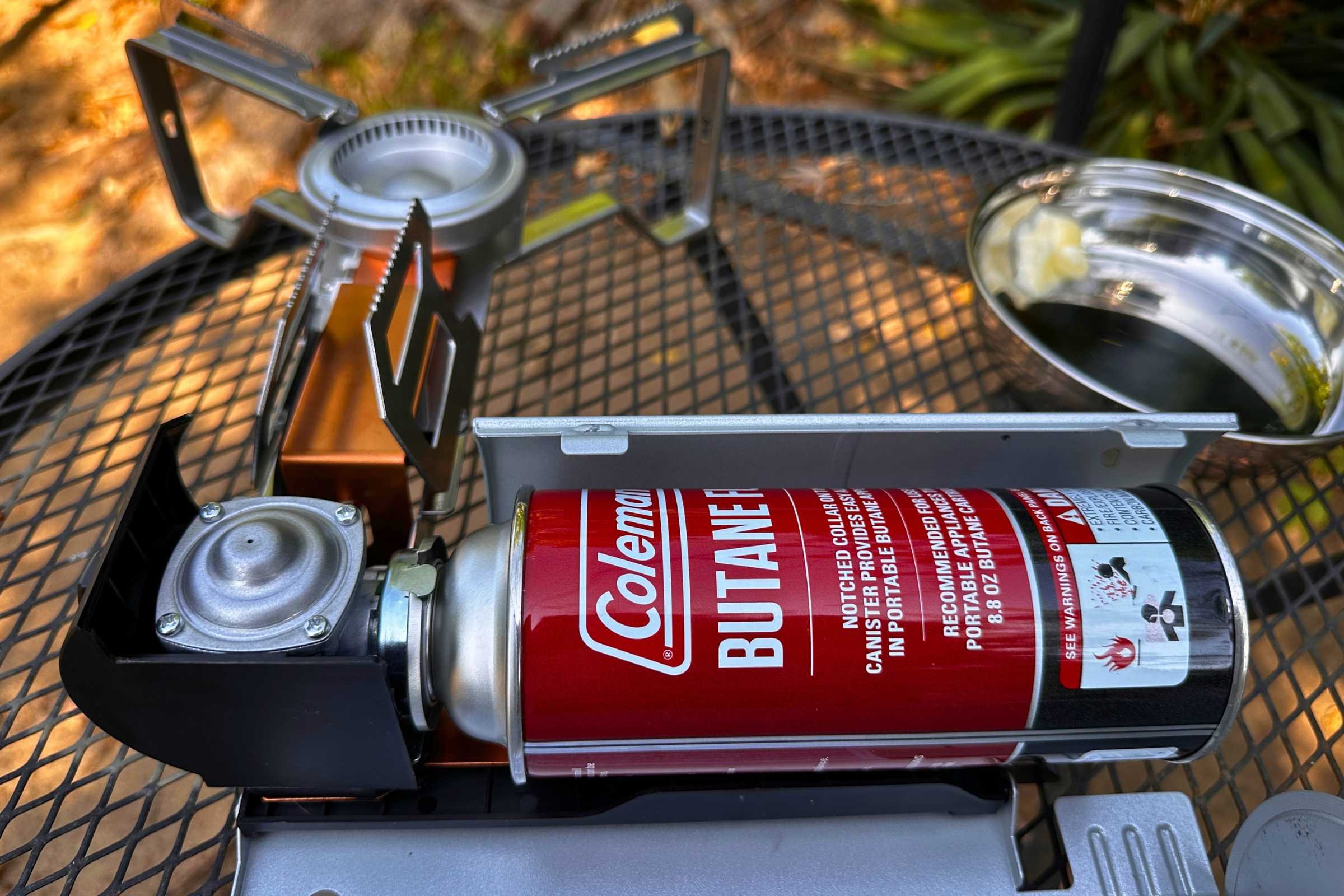
Testing the smart stoves
The market for app-connected stoves is still relatively new, but several models are starting to stand out. The Jetboil Joule, as reviewed by many sources including CleverHiker, remains a popular choice. It offers precise temperature control, adjustable in 1-degree increments, and integrates with a smartphone app via Bluetooth. The app allows you to monitor your cooking, set timers, and even save custom cooking profiles.
However, the Joule isn’t the only contender. MSR recently released the WhisperLite Smart Stove, which connects to an app that provides real-time fuel consumption data and estimated burn times. This is particularly useful for longer trips where fuel management is critical. MensJournal highlighted the MSR’s ability to predict fuel usage based on cooking conditions, a feature I found surprisingly accurate during testing.
Soto also offers the Tor’ch 2.0, though its app functionality is more limited. It primarily focuses on providing visual guidance for igniting the stove and adjusting the flame. While not as feature-rich as the Jetboil or MSR, the Soto is known for its reliability and consistent performance. I found that the learning curve for the Jetboil and MSR apps was manageable, but some users might find the initial setup a bit daunting.
The Joule is a fuel hog. Because the burner is constantly micro-adjusting to hit exact temperatures, you'll burn through canisters faster than you would with a manual valve. The MSR is better for long hauls because the app actually tells you how much gas is left, which takes the guesswork out of whether you have enough for breakfast.
Pots and pans with sensors
The trend of temperature control isn't limited to stoves. We’re beginning to see cookware with integrated temperature sensors and app connectivity. Brands like Companion Group are experimenting with smart pots and pans that allow you to set a target temperature and maintain it throughout the cooking process. This is a game-changer for dishes that require precise temperature control, such as sauces, delicate fish, or even tempering chocolate.
I’ve been testing a prototype smart pot that connects to an app via Bluetooth. The app allows you to monitor the internal temperature of the food, set timers, and receive alerts when the target temperature is reached. It’s remarkably accurate, and it eliminates the guesswork involved in traditional cooking methods. The pot itself is made from a high-quality stainless steel with an embedded temperature sensor in the base.
There’s even some experimentation with integrating sous vide techniques into camping cookware. While a full sous vide setup is still bulky for backpacking, some companies are developing insulated containers with temperature control capabilities that allow you to achieve similar results. This opens up possibilities for cooking more complex and flavorful meals in the outdoors.
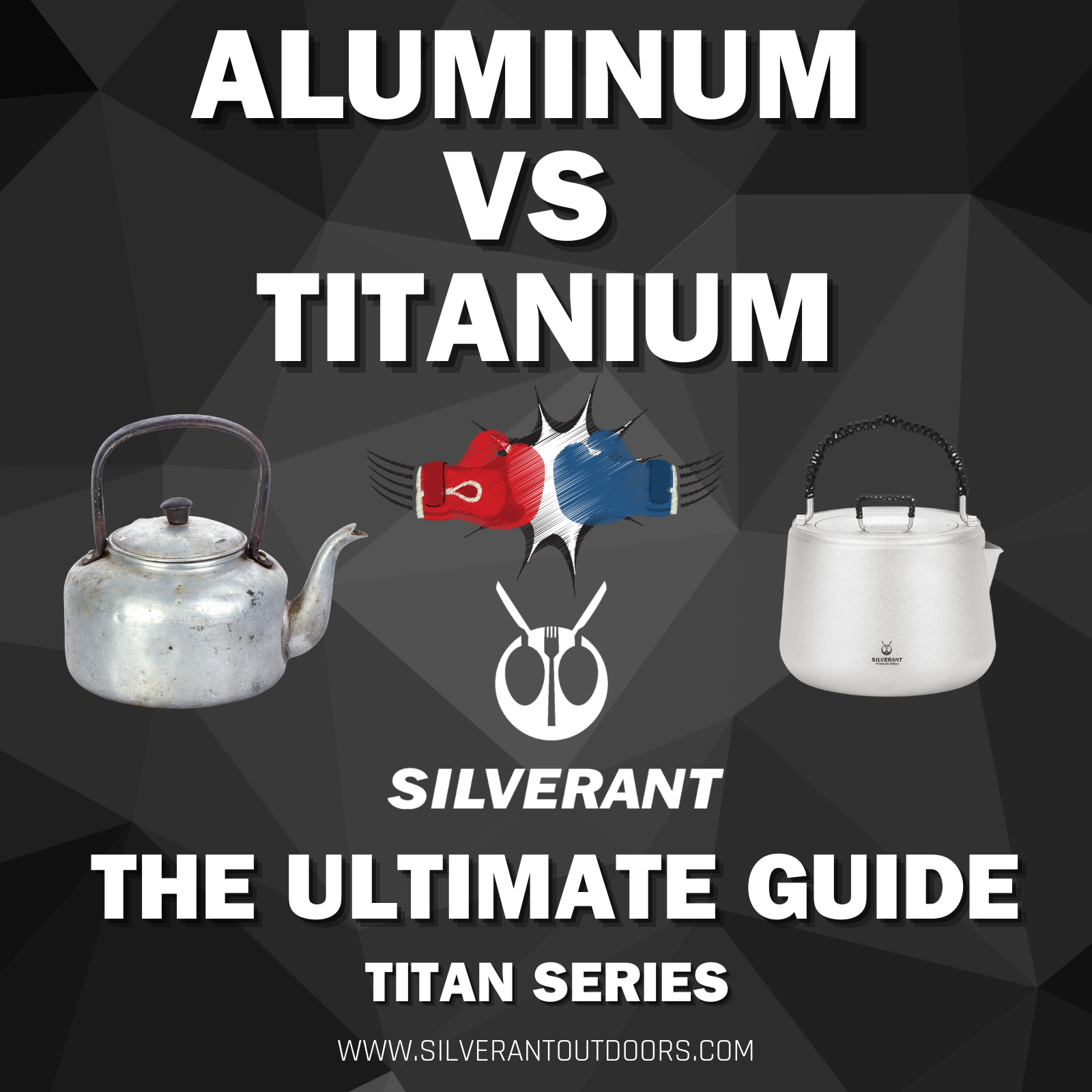
The materials used in these smart cookware items are crucial. Stainless steel is the most common choice due to its durability and heat conductivity. However, some manufacturers are also using titanium to reduce weight, though it comes at a higher cost.
The weight of power
The biggest downside to app-connected cookware is the reliance on external power. Most of these devices require batteries or power banks to operate. This adds weight and bulk to your pack, and it’s a critical consideration for backpackers. The Jetboil Joule, for example, requires a USB power source for its digital display and temperature control system.
The MSR app is a battery killer. If you leave the fuel monitor running, expect your phone to die before the weekend is over. I found that a 10,000 mAh power bank is the bare minimum for a three-day trip if you're using these features at every meal.
Solar charging is an option, but it’s not always reliable, especially in cloudy conditions. A dedicated solar charger with USB-C Power Delivery can help offset the power consumption, but it adds even more weight to your pack. The trade-off between convenience and the minimalist backpacking ethos is a real one.
Cold weather significantly impacts battery performance. Lithium-ion batteries lose capacity in low temperatures, so it’s crucial to keep your power banks warm. Storing them inside your jacket or sleeping bag can help maintain their charge.
- Jetboil Joule: Uses a 5V/2A USB input and lasts about 4 hours on a standard 10,000 mAh bank.
- MSR WhisperLite Smart: Uses a 5V/1A input and gets roughly 6 hours of active monitoring per charge.
- Soto Tor’ch 2.0: No external power required for core functionality, optional USB charging for indicator lights
Smart Camping Cookware 2026: A Comparative Review
| Product Category | Weight | App Features | Temperature Control | Price |
|---|---|---|---|---|
| Integrated Stove System (Brand A) | Good | Excellent | Excellent | Fair |
| Integrated Stove System (Brand B) | Fair | Good | Good | Excellent |
| Portable Induction Cooktop (Brand C) | Poor | Excellent | Good | Fair |
| Non-Stick Cookware Set (Brand D) | Good | Fair | Fair | Good |
| Titanium Cookware Set (Brand E) | Excellent | Poor | Poor | Fair |
| Smart Pot (Brand F) | Fair | Good | Excellent | Fair |
| Ultralight Stove & Cookware Combo (Brand G) | Excellent | Fair | Fair | Good |
Illustrative comparison based on the article research brief. Verify current pricing, limits, and product details in the official docs before relying on it.
Cooking at high altitude
Traditional camping advice always emphasizes adjusting cooking times at higher altitudes due to the lower boiling point of water. It's a significant factor, especially when preparing foods that require extended cooking. Does smart cookware offer any advantages in this area? The answer, as of now, is somewhat limited.
While some apps allow you to monitor water temperature, none currently automatically compensate for altitude. However, the precision temperature control offered by stoves like the Jetboil Joule could allow you to manually adjust cooking times and temperatures to achieve the desired results. It requires more knowledge and attention from the user, but it’s possible.
I haven't found any brands specifically marketing their products for high-altitude use, but the ability to closely monitor temperature could be beneficial. The science is simple: at higher altitudes, water boils at lower temperatures, meaning food takes longer to cook. Knowing this, and being able to maintain a consistent temperature, can help mitigate the effects.
The potential for future integration is definitely there. Imagine an app that automatically adjusts cooking parameters based on your altitude and the type of food you’re preparing. That’s a feature I’d be eager to see.
Beyond the Basics: Useful Accessories
To fully leverage the benefits of smart camping cookware, you’ll need a few key accessories. A portable power bank with USB-C Power Delivery is essential for keeping your devices charged. Look for one that’s rugged and waterproof, with a capacity of at least 10,000 mAh.
A waterproof tablet or smartphone is also crucial for running the apps and accessing recipes. Consider a rugged case to protect your device from the elements. Bluetooth thermometers can provide an extra layer of confidence, allowing you to verify the internal temperature of your food.
I recently tested a solar-powered charger specifically designed for outdoor use. It’s a bit bulky, but it provides a reliable source of power when you’re off-grid. A small, lightweight tripod can also be useful for propping up your tablet or phone while you’re cooking.
Don't underestimate the importance of a stable cooking surface. A lightweight, foldable table can make a big difference, especially when cooking on uneven terrain.
Community Buzz: What Campers Are Saying
Looking at user feedback on YouTube (specifically the BEST CAMPING COOKWARE Reviews channel) reveals a mixed bag of experiences. Many praise the precision and convenience of app-connected stoves, but others complain about the added complexity and the reliance on batteries. A common theme is that these stoves are best suited for car campers or those who don’t mind carrying extra weight.
Online forums are filled with discussions about the learning curve associated with these devices. Some users find the apps intuitive and easy to use, while others struggle to connect their stoves or understand the data being presented. There’s also concern about the durability of the electronic components in harsh outdoor conditions.
One user on Reddit commented, “The Jetboil Joule is awesome for making coffee, but it’s overkill for boiling water for rehydrated meals.” Another user added, “I love the fuel consumption data on the MSR stove. It helps me plan my trips more effectively.”
The consensus seems to be that smart camping cookware is a promising technology, but it’s still evolving. It’s not for everyone, but for those who value precision, control, and convenience, it can be a worthwhile investment.

No comments yet. Be the first to share your thoughts!