

The problem with trail trash
Backpacking is supposed to be simple, but we've let plastic wrappers and heavy packaging take over. Moving to a zero-waste kitchen isn't about suffering. I've found it's just about choosing gear that lasts instead of stuff you throw away after one meal.
The environmental toll of traditional backpacking gear and food packaging is significant. Think about the plastic wrappers, the disposable fuel canisters, the single-use water bottles – it all adds up. Beyond the immediate waste, there's the carbon footprint of manufacturing and transporting these items. We’re often drawn to the wilderness to escape the excesses of modern life, so it feels a little contradictory to bring those excesses with us.
But the benefits extend beyond environmental responsibility. A zero-waste setup can actually save you weight, which is a huge win for any backpacker. It can also save you money in the long run, as you’re not constantly replacing disposable items. Most importantly, it encourages a more mindful approach to outdoor cooking, forcing you to consider your consumption and appreciate the resources you have. It’s about quality over quantity, and truly enjoying the experience.
Swapping out the plastic
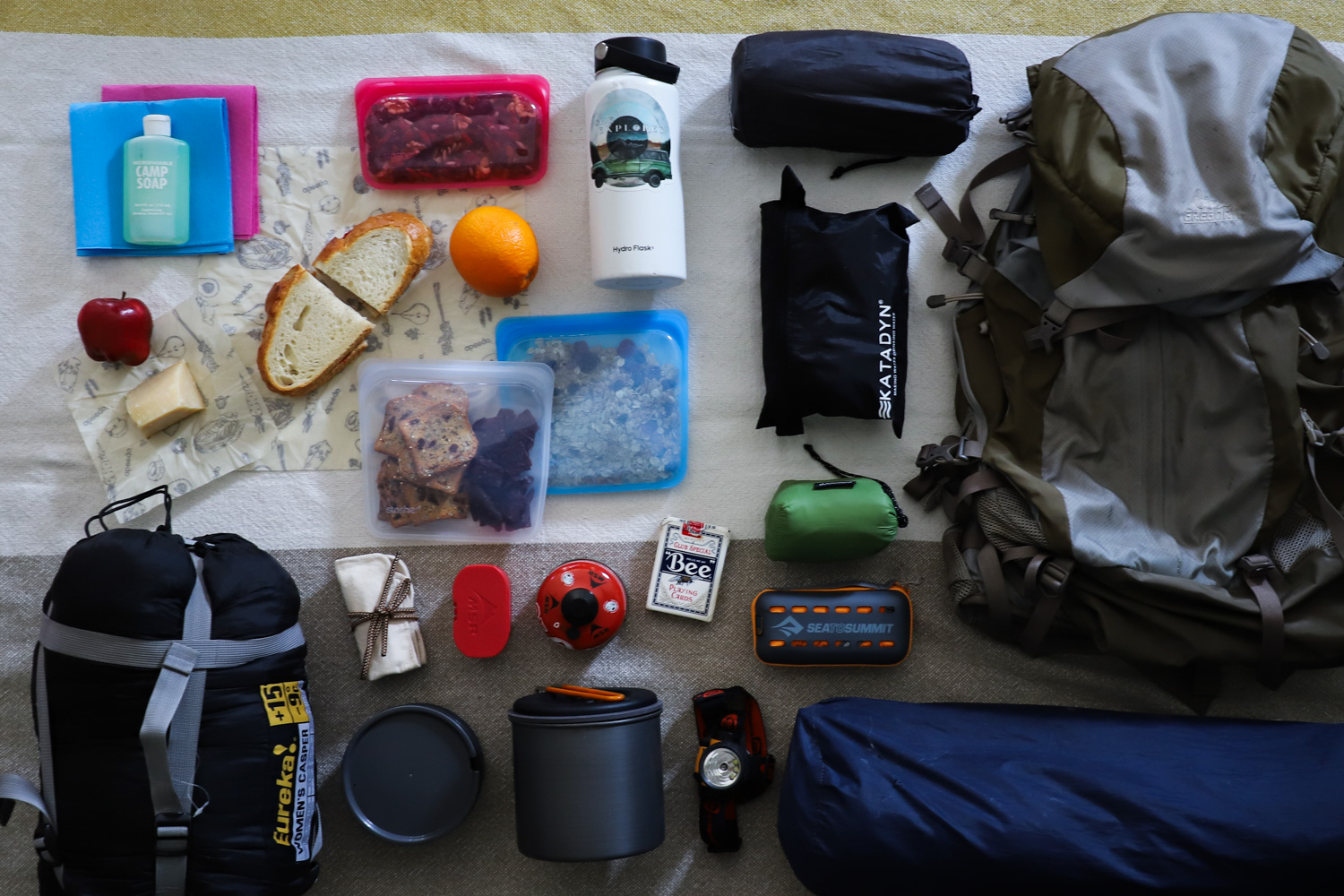
Start by ditching Ziplocs. I use Stasher silicone bags or Snow Peak stainless tins. They are heavier than a plastic bag, but they don't tear and you won't find them floating in a lake three years from now.
Water filtration and treatment is another key area. Instead of relying on disposable water bottles, invest in a high-quality water filter like a Sawyer Squeeze or a SteriPen. These are lightweight, effective, and eliminate the need for carrying and disposing of plastic bottles. I've been using a Sawyer Squeeze for over five years now with no issues.
Cleaning supplies are often overlooked, but they can contribute significantly to waste. Swap out liquid dish soap for a solid dish soap block – it takes some getting used to lathering it up, but it’s so much lighter and more compact. Biodegradable wipes are a decent option for quick cleanups, but be sure to pack them out properly. I also like using a small, reusable cloth for most wiping tasks.
Don't forget about things like sponges and scrubbers. Replace plastic sponges with natural loofah sponges or coconut fiber scrubbers. These are biodegradable and won't leave microplastics behind. It’s the small changes that really add up.
- Silicone Stasher bags and Snow Peak tins replace plastic baggies.
- Water Filtration: Sawyer Squeeze, SteriPen
- Cleaning: Solid dish soap, biodegradable wipes, loofah sponges
Stoves: Fuel Efficiency and Eco-Impact
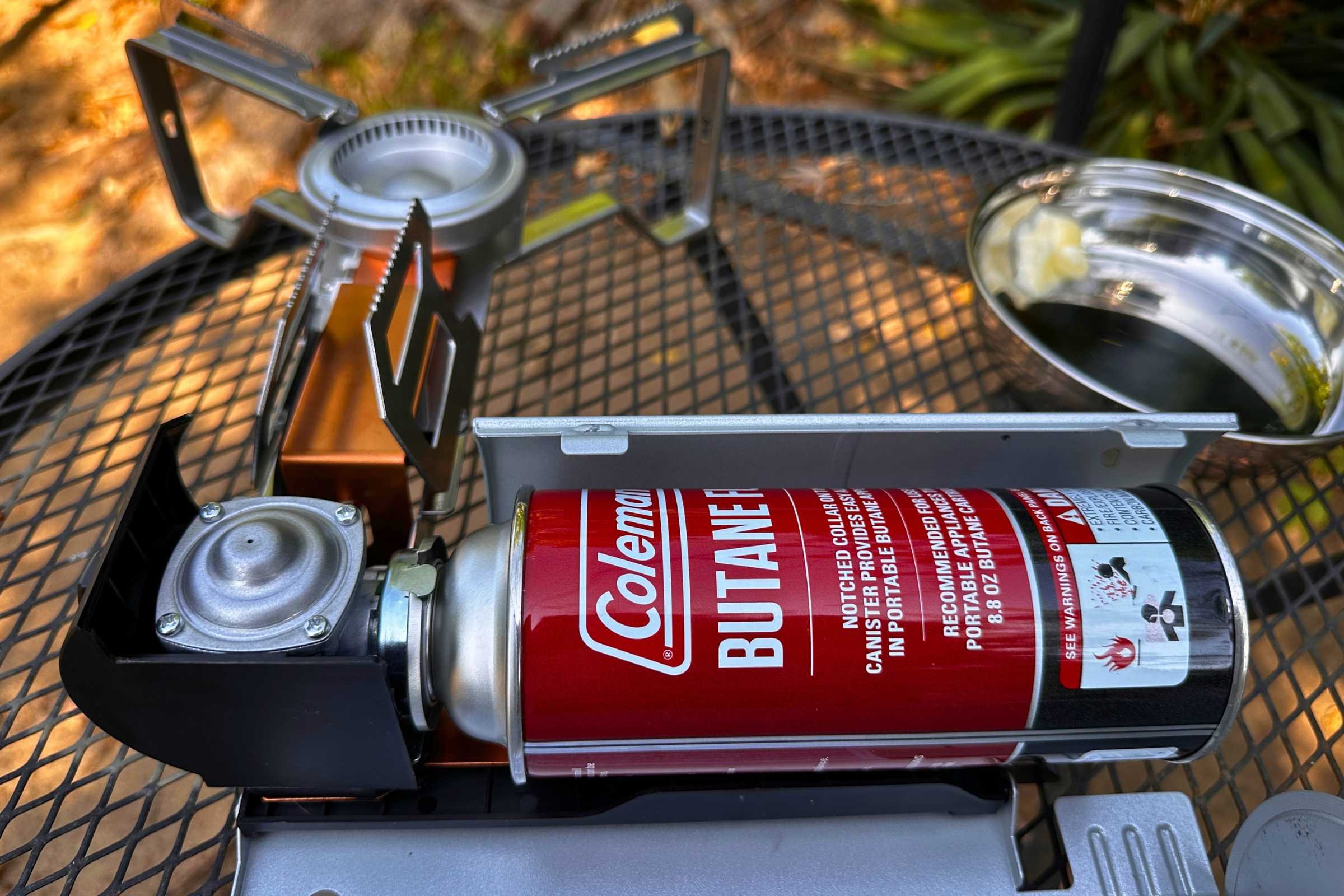
When it comes to stoves, sustainability is a bit more complex. Canister stoves are popular for their convenience, but the canisters themselves aren't always easily recyclable. Some companies, like Jetboil, are starting to offer canister recycling programs, but it’s not yet widespread. The fuel inside is also a concern – isobutane and propane are greenhouse gases.
Liquid fuel stoves, like those from MSR, offer more fuel flexibility and can be more efficient in cold weather. However, they require more maintenance and the fuel (white gas) isn't the most eco-friendly option. Plus, spills are a real risk. It’s about weighing the pros and cons.
Alcohol stoves use renewable fuel, but I hate using them. They are slow and struggle in the wind. If you're out for a week, the amount of fuel you have to carry outweighs the weight of a standard canister stove like a Jetboil.
Wood-burning stoves, like those from Solo Stove, can be a good option if regulations allow. They utilize a renewable resource, but it’s important to be aware of fire restrictions and practice Leave No Trace principles. Always use an existing fire ring when possible, and never gather firewood from living trees.
Choosing better cookware
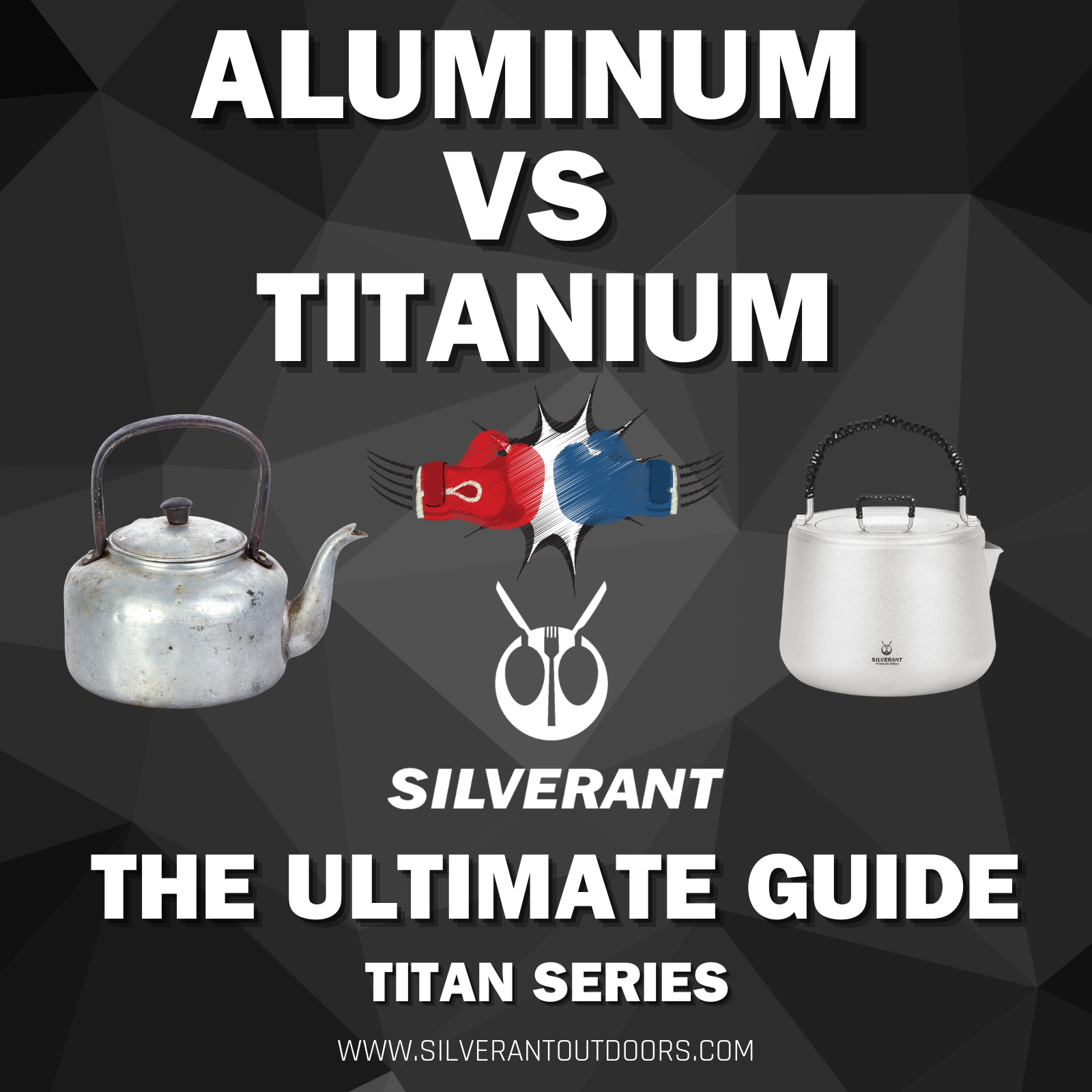
The material of your cookware has a significant impact on its sustainability. Titanium is incredibly lightweight and durable, making it a popular choice for backpackers. It’s also relatively inert, meaning it won’t leach chemicals into your food. However, titanium production is energy-intensive.
Stainless steel is another excellent option. It’s durable, easy to clean, and doesn’t leach chemicals. It’s heavier than titanium, but it’s also more affordable and widely recycled. Look for 18/8 stainless steel, which is a common and durable alloy.
Aluminum cookware is lightweight and conducts heat well, but it’s not as durable as titanium or stainless steel. It also requires a coating to prevent food from sticking, and these coatings can wear off over time. I’m cautious about non-stick coatings – they’re convenient, but I worry about their longevity and the potential for releasing harmful chemicals into the environment.
When choosing cookware, consider the size and shape you need. A single pot is often sufficient for solo trips, while a pot and pan combo is more versatile for cooking for two or more people. Toaks Titanium makes excellent, lightweight options, and Sea to Summit has quality aluminum sets.
- Titanium: Lightweight, durable, energy-intensive production
- Stainless Steel: Durable, easy to clean, heavier, widely recycled
- Aluminum: Lightweight, good heat conduction, less durable, potential coating issues
Cookware Material Comparison for Zero-Waste Backpacking
| Material | Weight | Durability | Heat Conductivity | Environmental Impact | Cost |
|---|---|---|---|---|---|
| Titanium | Low | High | Low | Medium | High |
| Stainless Steel | Medium | High | Medium | Medium | Medium |
| Aluminum | Low | Medium | High | Medium | Low |
| Aluminum (Anodized) | Low | Medium | High | Medium | Medium |
| Stainless Steel (Recycled) | Medium | High | Medium | Low | Medium to High |
| Titanium (Recycled) | Low | High | Low | Low | Very High |
Illustrative comparison based on the article research brief. Verify current pricing, limits, and product details in the official docs before relying on it.
Food Packaging: Beyond Ziplocs
Moving beyond cookware, let's talk food packaging. The goal here is to eliminate single-use plastics and find reusable alternatives. Silicone bags are a fantastic option for storing snacks, leftovers, and pre-portioned meals. They’re flexible, durable, and easy to clean. Brands like Zip Top offer a variety of sizes and shapes.
Beeswax wraps are another great option, especially for wrapping sandwiches, cheese, or fruit. They’re made from cotton fabric coated with beeswax, resin, and oil, making them naturally antibacterial and water-resistant. You can even make your own! Here's a simple recipe: combine 1/4 cup grated beeswax, 1/4 cup resin, and 1/4 cup jojoba oil, then apply to cotton fabric and bake at a low temperature.
Reusable food wraps are similar to beeswax wraps, but they’re often made from silicone or other synthetic materials. They’re a good option if you’re allergic to beeswax. Stainless steel containers are ideal for storing bulk items like oatmeal or trail mix. They’re durable, lightweight, and easy to clean.
Dehydrating your own food is a game-changer for zero-waste backpacking. It reduces weight, saves space, and eliminates the need for pre-packaged meals. You can dehydrate fruits, vegetables, meats, and even entire meals. It takes some time and effort, but it’s well worth it for serious backpackers.
Zero-Waste Meal Planning: Reducing Food Waste
Effective meal planning is key to minimizing food waste on the trail. Dehydrated meals are a great option, as they’re lightweight, compact, and have a long shelf life. You can buy pre-made dehydrated meals or make your own. Portion control is also important. Pre-portion your snacks and meals into reusable containers to avoid overeating or wasting food.
Utilize every part of the food you bring. For example, use vegetable scraps to make broth, or save leftover rice or pasta for a future meal. Think creatively about how to repurpose ingredients. A little planning can go a long way in reducing waste.
Here's a sample meal plan for a 3-day backpacking trip: Day 1: Breakfast - Oatmeal with dried fruit and nuts; Lunch - Wraps with hummus and vegetables; Dinner - Dehydrated chili. Day 2: Breakfast - Granola with powdered milk; Lunch - Trail mix and jerky; Dinner - Couscous with dried vegetables and tuna. Day 3: Breakfast - Protein bar; Lunch - Leftover couscous; Dinner - Dehydrated pasta primavera.
This isn't just about sustainability; it's about carrying less weight. Reducing food waste means reducing the amount of food you need to carry, which can make a significant difference on a long backpacking trip.
Gear Standouts: My Top Picks for 2026
After testing a lot of gear, a few items consistently stand out for their performance and sustainability. The Toaks Titanium 750ml pot is lightweight, durable, and heats up quickly – it’s a versatile option for solo backpackers. It’s a bit of an investment, but it’ll last for years.
The UCO Gear Solid Fuel Stove is a simple and reliable stove that uses solid fuel tablets. It’s a good backup option or for short trips. The fuel tablets are lightweight and easy to carry. It’s not the most efficient stove, but it’s a good choice for minimalist backpackers.
GSI Outdoors Lexicon Bowl is a durable and lightweight bowl made from recycled plastic. It's a great everyday bowl for meals and snacks. It’s a small item, but it makes a big difference in reducing waste. These aren’t necessarily the only good options, but they’re a solid starting point for building a zero-waste kitchen.

No comments yet. Be the first to share your thoughts!