
Solar Stoves: Beyond the Hype
Let’s be realistic about solar powered camping stoves. They aren't a replacement for a reliable gas or liquid fuel stove in all situations. They depend entirely on sunlight, meaning cloudy days or heavily shaded campsites can render them useless. Cooking times are also significantly longer than with conventional stoves – expect to add an hour or more to your usual recipes. However, for the right camper, a solar stove offers a compelling set of benefits.
The basic principle behind a solar stove is simple: concentrate sunlight onto a cooking surface. Most designs rely on reflective materials to direct sunlight onto a dark-colored pot or cooking vessel, maximizing absorption. This absorbed energy heats the pot and cooks the food inside. It’s a surprisingly effective process, but it’s also heavily influenced by environmental factors.
Who benefits most from off-grid cooking gear like this? Backpackers who are meticulously counting ounces and want to avoid carrying fuel canisters will appreciate the weight savings. Campers in consistently sunny regions – think the American Southwest or the Mediterranean – are also good candidates. For those prioritizing speed and convenience, or who frequently camp in unpredictable weather, a traditional stove is still the better choice. It's about understanding the trade-offs.
I think a lot of people are drawn to the environmental aspect of solar cooking, and that’s valid. Reducing reliance on fossil fuels is a good thing. But it's important to go in with open eyes, understanding that solar cooking isn’t always the easiest or fastest method. It requires patience, planning, and a little bit of sun.
Top Solar Stoves of 2026
The solar stove market is steadily growing, with new models emerging all the time. Here's a look at some of the best portable camping stoves available now and expected for release in 2026, covering a range of price points and features. Prices are estimates based on 2024 data and anticipated inflation.
SunCooker Pro (SunCooker International): This is a well-established box-type cooker known for its simplicity and durability. It retails for around $150. It weighs approximately 8 pounds and has a cooking area large enough for a 9-inch pot. The SunCooker Pro is made from corrugated cardboard and reflective mylar, making it lightweight and relatively inexpensive. The main drawback is its susceptibility to wind and slower cooking times.
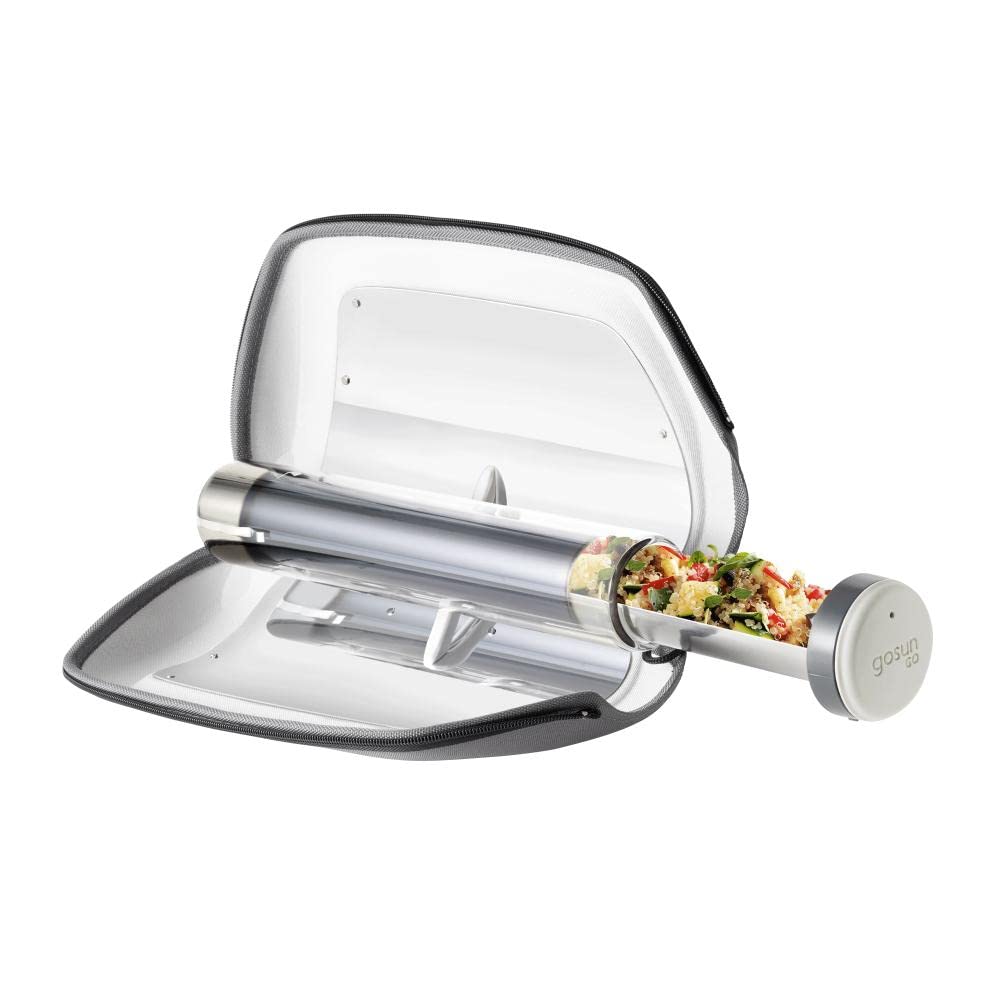
GoSun Fusion (GoSun): The GoSun Fusion is a hybrid solar and electric stove. It’s priced around $349 and weighs 8.5 pounds. It features a vacuum-tube design for efficient heat retention and can cook in cloudy conditions with its electric backup. The cooking area accommodates a 19-ounce pot. Users praise its versatility and ability to cook a wide range of foods, but the price is a significant barrier for some.
Parabolic Cooker by EcoZoom (EcoZoom): EcoZoom is known for its efficient wood-burning stoves, and they've applied that expertise to a parabolic solar cooker. Estimated price for 2026 is $220. It weighs around 6 pounds and can reach temperatures high enough to fry or bake. Its focused beam requires frequent adjustment to track the sun, and it's less effective in windy conditions.
AllSeason Solar Cooker (AllSeason Solar): This model, around $180, is designed with a focus on wind resistance. It uses a box design with multiple layers of insulation and a transparent cover. It weighs 7 pounds and can cook a meal for two. Users report consistent performance even on slightly cloudy days, though it’s not as fast as a parabolic cooker.
SolSource Classic (SolSource): This parabolic stove offers a large cooking area and high temperatures, around $299. It weighs 14 pounds, making it less ideal for backpacking, but it's a good option for car camping. It’s made from stainless steel and has a durable construction. Users appreciate its ability to cook quickly and efficiently, but it requires careful positioning and monitoring.
Nomad Solar Stove (New Release - Expected Q2 2026): This is one to watch. Early reports suggest Nomad is aiming for a lightweight, foldable parabolic design, priced around $250. They are touting a weight of under 5 pounds and improved wind resistance through a segmented reflector system. If they deliver on these promises, it could be a game-changer for backpackers.
Solar-Powered Camping Stoves Comparison - 2026
| Model | Typical Use | Cooking Performance | Portability | Sunlight Requirement |
|---|---|---|---|---|
| Sunflair Portable Solar Oven | Solo/Pair Backpacking | Slow, consistent heating. Best for simmering. | Moderate - Folding design, but bulkier. | Medium |
| GoSun Fusion | Solo/Small Group | Faster heating than box cookers, can steam and bake. | Moderate - More compact, but heavier. | Medium-High |
| Parabolic Solar Cooker (DIY/Commercial) | Small Group/Family | Very high temperatures, fast cooking. Good for frying. | Lower - Requires precise alignment, can be fragile. | High |
| HotPot Solar Cooker | Solo/Pair Backpacking | Simple design, effective for boiling water and basic meals. | Higher - Lightweight and collapsible. | Low-Medium |
| EcoQue Solar Cooker | Solo/Pair | Good for slow cooking and keeping food warm. | Moderate - Relatively compact, but requires sun tracking. | Medium |
| Panel Solar Oven | Small Group | Box-style, good for baking and roasting. | Lower - Bulky and less portable. | Medium |
Qualitative comparison based on the article research brief. Confirm current product details in the official docs before making implementation choices.
Parabolic vs. Box: Which Design is Right?
The two dominant designs in the solar stove world are parabolic and box cookers. They operate on different principles and offer distinct advantages and disadvantages. Understanding these differences is crucial for choosing the right stove for your needs.
Parabolic cookers use a curved, reflective surface to concentrate sunlight onto a single point – the bottom of your pot. This focused energy creates very high temperatures, allowing for faster cooking and even frying or baking. However, they require frequent adjustment to track the sun, and they are more susceptible to wind, which can disrupt the focused beam. They're typically less portable due to their rigid structure.
Box cookers, on the other hand, use multiple reflective surfaces to direct sunlight into an insulated box. This design is less efficient at reaching high temperatures, but it’s more forgiving in terms of sun tracking and wind resistance. The insulation helps retain heat, allowing for slower, more even cooking. Box cookers are generally more portable and easier to use, but they take longer to cook a meal.
There's a growing trend towards hybrid designs that attempt to combine the best of both worlds. The GoSun Fusion, for example, uses a vacuum tube to trap heat like a box cooker, but it also incorporates a reflective surface to concentrate sunlight like a parabolic cooker. These hybrids often come with a higher price tag, but they offer increased versatility and performance. I'm particularly interested in seeing how the Nomad Solar Stove performs, as its foldable parabolic design aims to address the portability issues of traditional parabolic cookers.
Cooking with the Sun: Tips & Tricks
Maximizing the effectiveness of a solar stove requires a bit of know-how. It’s not as simple as just setting it out in the sun. Optimizing stove positioning is key. You'll need to adjust the stove’s angle throughout the day to follow the sun's path. Every 20-30 minutes is a good rule of thumb. A compass can be helpful for maintaining the correct orientation.
Cloud cover is the biggest challenge. Even a few passing clouds can significantly reduce cooking times. If possible, try to position the stove where it will receive direct sunlight for as long as possible. Dark-colored cookware absorbs heat more efficiently than light-colored cookware. Thin-walled pots and pans will heat up faster, but they may also scorch food more easily. Cast iron is excellent for heat retention, but it’s heavy.
Slow cooking is ideal for solar stoves. Stews, soups, and beans all work exceptionally well. Recipes that require high heat, like stir-fries, are less suitable. I’ve had great success with solar-cooked rice and vegetables. You really just need to be patient. Remember to always use oven mitts or heat-resistant gloves when handling hot cookware. The surfaces can get incredibly hot and cause severe burns.
Safety is paramount. The reflective surfaces of solar stoves can create intense glare, so avoid looking directly at the focused sunlight. Be mindful of flammable materials nearby, as concentrated sunlight can ignite them. I learned that the hard way with a dry leaf! And always ensure the stove is stable and won’t tip over.
- Optimal positioning: Adjust every 20-30 minutes.
- Cookware: Dark, thin-walled pots are best.
- Recipes: Slow cooking is ideal (stews, soups).
- Safety: Use gloves, avoid glare, and clear flammable materials.
High Altitude Solar Cooking
Cooking at high altitude presents unique challenges, and solar cooking is no exception. As altitude increases, atmospheric pressure decreases, which lowers the boiling point of water. This means that food will cook more slowly, and you may need to adjust cooking times accordingly.
The effect on solar stoves isn’t as dramatic as with traditional stoves, because the cooking process relies on heat absorption rather than boiling. However, you may still need to increase cooking times by 20-50% at higher elevations. Parabolic cookers, which reach higher temperatures, may be less affected than box cookers.
I’m not sure about specific modifications to solar stove designs for high-altitude cooking, but ensuring good insulation and maximizing sunlight concentration are even more important at elevation. Using a lid on your pot will help retain heat and moisture. It’s also worth experimenting with smaller pot sizes, as they will heat up more quickly.
There isn’t a wealth of research on this specific topic, so much of this is based on extrapolation from general high-altitude cooking principles. It’s an area where more investigation is needed, and I’d be interested to hear from anyone who has experience with solar cooking at higher elevations.
Accessories: Boost Your Solar Setup
A few well-chosen accessories can significantly enhance your solar cooking experience. Reflectors, for example, can boost sunlight concentration, especially on cloudy days or during the early morning and late afternoon. Wind screens are essential for protecting parabolic cookers from gusts of wind.
Heat-resistant gloves are a must-have for handling hot cookware. Dark-colored cookware, as mentioned earlier, absorbs heat more efficiently. Carrying cases make it easier to transport your solar stove and accessories. You might also consider a small solar charger for powering small devices like phones or headlamps.
I’ve found that a simple thermometer is surprisingly useful for monitoring cooking temperatures. It allows you to ensure that your food is cooked thoroughly and safely. Investing in a good quality carrying case is also worthwhile, as it will protect your stove from damage during transport.
- Reflectors: Boost sunlight concentration.
- Wind screens: Protect from gusts.
- Heat-resistant gloves: Essential for safety.
- Dark cookware: Absorbs heat efficiently.
- Carrying case: For easy transport.
Solar Cooking Accessories
- Dark Cookware - Black pots and pans absorb heat much more efficiently than lighter colored cookware, crucial for maximizing solar energy. Consider cast iron or dark-coated aluminum.
- Heat-Resistant Gloves - Handling hot cookware is essential. Oven mitts or specialized heat-resistant gloves (like those from Ove Gloves) protect your hands.
- Solar Oven Reflector Panels - Many solar cookers benefit from additional reflectors to concentrate sunlight. Parabolic reflectors, available from companies like All American Sun Ovens, can significantly boost performance.
- Thermometer - Monitoring food temperature is vital for safety. A reliable instant-read thermometer (such as a Thermapen ONE) ensures food reaches a safe internal temperature.
- Dark Baking/Cooking Bags - Using dark-colored oven bags can help trap heat and speed up cooking times, particularly useful for recipes requiring longer cooking durations.
- Windscreen - Blocking wind is critical, as even a gentle breeze can dramatically reduce a solar cooker's temperature. A foldable windscreen (like those designed for backpacking stoves) can provide necessary protection.
- Stabilizing Tripod or Stand - A stable base for your solar cooker is important, especially on uneven terrain. A lightweight tripod (similar to those used for cameras) or a custom-built stand can provide stability.
Community Chatter: What Campers Are Saying
Online camping communities offer a wealth of real-world feedback on solar stoves. On Reddit’s r/Camping, users frequently discuss the challenges of cooking on cloudy days, with many recommending the GoSun Fusion for its electric backup. Several users also praise the durability of the SunCooker Pro.
Facebook groups dedicated to off-grid living and minimalist camping often feature discussions about the weight savings offered by solar stoves. Some users have shared DIY modifications to improve wind resistance or increase cooking area. A common complaint is the slow cooking times, particularly with box cookers.
Instagram is full of visually appealing photos of solar-cooked meals. Many users highlight the environmental benefits of solar cooking and share tips for optimizing stove positioning. There’s a growing trend towards using solar cooking as a way to reduce reliance on fossil fuels during outdoor adventures.
The general consensus is that solar stoves are a viable option for campers who are willing to adapt their cooking habits and plan accordingly. They're not a perfect solution, but they offer a sustainable and eco-friendly way to enjoy hot meals in the great outdoors.
No comments yet. Be the first to share your thoughts!