

The shift toward smart camp kitchens
I’ve spent too many trips fighting with a stove that has two settings: 'off' and 'blowtorch.' Most of us go outside to relax, but we still want a decent meal without the constant babysitting of a temperamental burner. This shift toward smarter gear isn't about being lazy; it's about making sure the steak actually cooks through while you're watching the sunset.
Smart camping cookware is a natural evolution of this trend. It’s about integrating technology – sensors, Bluetooth connectivity, and even artificial intelligence – into the tools we use to prepare food in the wilderness. This isn’t about replacing traditional methods, but about augmenting them, offering a level of precision and automation previously unheard of in the backcountry.
The Adventure Q is a good example of this all-in-one approach. It aims to be more than just a cooker; it's a complete camp kitchen solution. It’s indicative of a broader movement toward integrated systems that handle multiple aspects of outdoor cooking. I think this focus on simplification will become even more prevalent as the technology matures.
There's a genuine excitement surrounding these developments, and it's easy to see why. But it's also important to maintain a realistic perspective. Smart cookware isn’t a magic bullet, and it’s critical to assess whether the benefits outweigh the potential drawbacks – like added weight, complexity, and reliance on electronics.
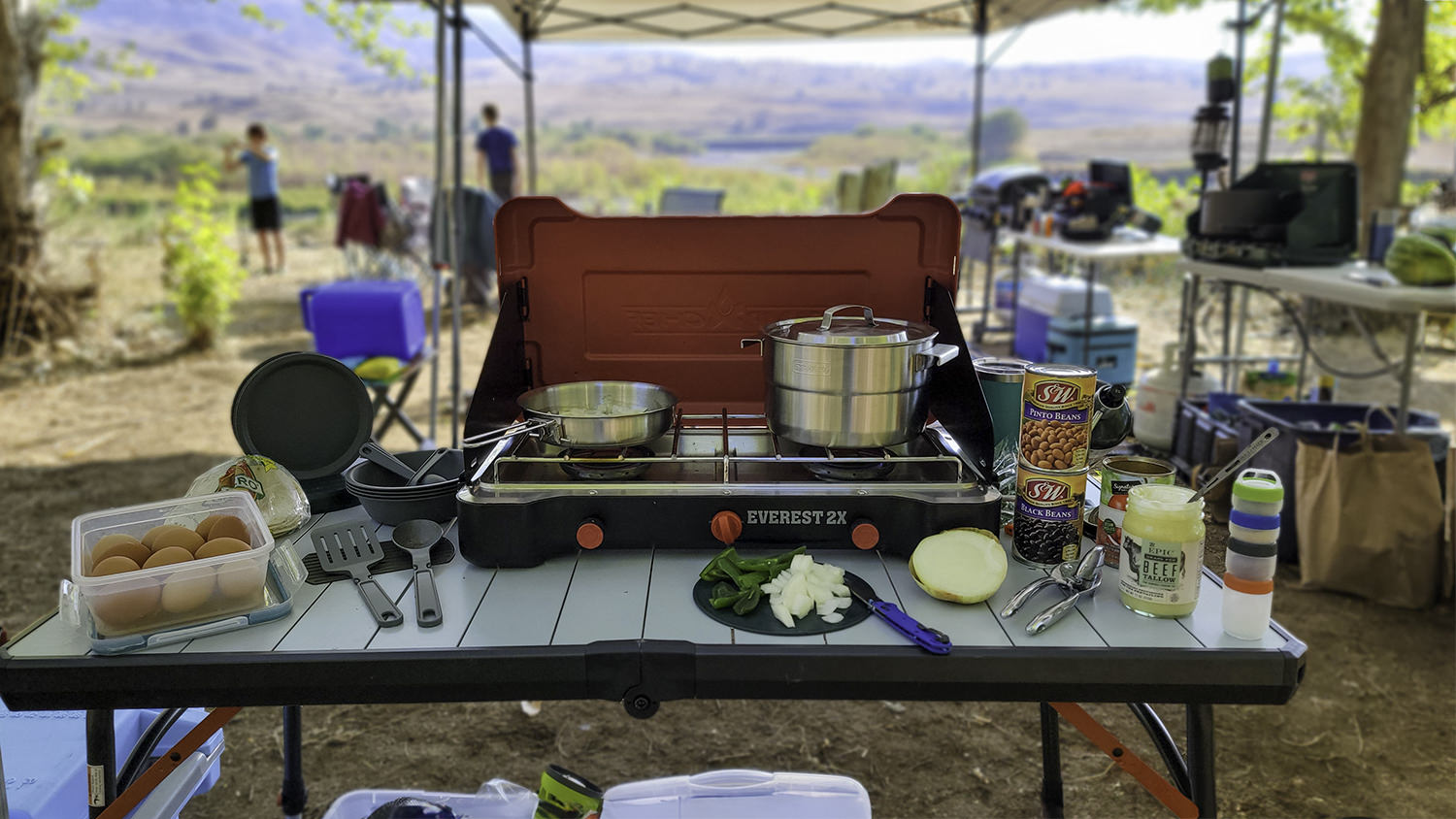
Precision heat without the guesswork
The core of any smart cooking system is, unsurprisingly, temperature control. Traditional camping stoves rely on manual adjustment, which can be imprecise and require constant monitoring. AI-powered systems, however, utilize sensors and algorithms to maintain a consistent temperature with minimal user intervention.
These systems typically employ thermocouples or resistance temperature detectors (RTDs) to measure the temperature of the cooking surface or the food itself. That data is then fed into a microcontroller running a control algorithm – often a PID (proportional-integral-derivative) controller – which adjusts the fuel flow or burner output to maintain the desired temperature. Some systems are even beginning to incorporate machine learning to predict temperature fluctuations and proactively adjust the heat.
The benefits are clear: more consistent cooking results, reduced fuel waste, and a lower risk of burning your meal. Imagine perfectly seared steak or a delicate sauce simmered to perfection, even on a windy mountaintop. But there are challenges. Battery life is a significant concern, as is the accuracy of the sensors in harsh conditions – extreme cold, moisture, or high altitude can all affect performance.
Altitude is the real test for these sensors. Since water boils at lower temperatures the higher you climb, a 'smart' stove needs to know it's at 10,000 feet to be useful. Some brands say they have this handled, but I haven't seen enough independent data to trust them yet. Sensors also drift over time, so you'll likely be recalibrating these units every season.
App Connectivity: Your Camp Kitchen Dashboard
App connectivity is often touted as a key feature of smart camping cookware, and for good reason. It unlocks a range of functionalities, including remote monitoring of cooking temperatures, access to pre-programmed recipes, and real-time alerts when your food is ready. Many apps also offer data logging, allowing you to track your cooking performance and identify areas for improvement.
The user experience varies significantly between systems. Some apps are intuitive and well-designed, while others are clunky and unreliable. A good app should be easy to navigate, even with gloves on, and provide clear, concise information. Reliability is also crucial – a dropped connection or a buggy app can ruin a meal.
Offline functionality is a major consideration for me. What happens when you’re deep in the backcountry with no cell service? Can you still access basic cooking functions? Some systems offer limited offline capabilities, while others are completely reliant on a connection. This feels like a significant limitation for true wilderness adventures.
Of course, app connectivity also raises privacy concerns. What data is being collected about your cooking habits? How is that data being used? And is it being shared with third parties? These are important questions to ask before investing in a smart cooking system. I’m generally wary of any device that requires constant data collection.
The best smart cookware for 2026
The market for smart camping cookware is still relatively nascent, but several promising systems have emerged. Here are a few standouts as of late 2026. It’s important to note that prices and availability can change, so this is a snapshot in time.
Adventure Q: As mentioned earlier, the Adventure Q is a complete camp kitchen solution. It includes a gas stove, a grill, and a variety of accessories, all integrated into a single unit. The app allows for remote monitoring and control, and it offers a library of pre-programmed recipes. It’s relatively expensive, at around $600, but the convenience is undeniable. The build quality feels solid, and the system is surprisingly compact for everything it offers.
Nomad CookPro: This system focuses on precise temperature control. It utilizes a sophisticated sensor array and a PID controller to maintain a consistent cooking temperature. The app offers detailed data logging and analysis, allowing you to fine-tune your cooking skills. The CookPro is priced around $450 and is known for its accuracy and fuel efficiency.
EmberFlow Stove: EmberFlow takes a minimalist approach. It’s a compact, lightweight stove with basic temperature control and app connectivity. The app provides remote monitoring and alerts, but it lacks the advanced features of the Adventure Q or the CookPro. At $300, it’s a more affordable option, and it’s ideal for campers who prioritize simplicity.
SolarChef 2.0: This system stands out by integrating solar power. It includes a solar panel that charges a battery pack, which then powers the stove. It is a slower cooking method, but it's ideal for environmentally conscious campers. The SolarChef 2.0 is priced at $550 and includes a basic app for monitoring battery levels and cooking time.
Fuel Efficiency & Environmental Impact
Smart technology has the potential to significantly improve fuel efficiency in camping cookware. Precise temperature control minimizes wasted energy, ensuring that every BTU counts. Systems that optimize for different fuel types – like propane, butane, or isobutane – can also help to maximize efficiency.
However, it’s important to consider the environmental impact of the electronics involved. Battery disposal is a major concern, as is the manufacturing process of the sensors and microcontrollers. Look for systems that use rechargeable batteries and are made from sustainable materials. The long-term durability of the system is also important – a system that lasts for years will have a lower overall environmental footprint than one that needs to be replaced frequently.
Some manufacturers are exploring the use of biodegradable or compostable materials in their products, which is a positive step. But ultimately, reducing consumption and extending the lifespan of our gear are the most effective ways to minimize our environmental impact. I think we’ll see a growing emphasis on repairability and modular design in the coming years.
Environmental Impact Comparison: Smart Camping Cookware Systems (2026)
| System | Battery Technology | Primary Material | Manufacturing Location | Overall Environmental Impact |
|---|---|---|---|---|
| ThermoCook AI | Rechargeable Lithium-Ion | Recycled Aluminum Alloy | Germany | Medium |
| Everest SmartPot | Replaceable Alkaline Batteries | Stainless Steel | China | High |
| AlpineChef Connect | Solar Rechargeable Polymer Film | Titanium | United States | Low |
| NomadCook Pro | USB-C Power Delivery (External Power Bank Required) | Ceramic-Coated Aluminum | Vietnam | Medium |
| Summit Series Cookware | Induction Compatible (Requires Separate Power Source) | Cast Iron | Japan | Medium |
| Trailblazer AI Fryer | Proprietary Solid-State Battery | Carbon Fiber Reinforced Polymer | Sweden | Low |
| BaseCamp Connect | Wireless Charging (Induction) | Stainless Steel with BPA-Free Plastic Components | Mexico | Medium |
Illustrative comparison based on the article research brief. Verify current pricing, limits, and product details in the official docs before relying on it.
Durability and Maintenance: Roughing It, Smartly
Smart tech is useless if it can’t withstand the rigors of the outdoors. Durability is paramount when it comes to camping cookware. These systems need to be waterproof, shockproof, and able to withstand extreme temperatures. Look for products with robust construction and high-quality materials.
Repairability is another important consideration. What happens if the electronics fail? Can you easily replace the sensors or the microcontroller? Or are you forced to replace the entire system? Proprietary parts can be a major headache, making repairs difficult and expensive. I always prefer systems that use standard components.
Maintenance requirements vary between systems. Some require regular cleaning and calibration, while others are relatively maintenance-free. Be sure to read the manufacturer’s instructions carefully and follow their recommendations. A little preventative maintenance can go a long way in extending the lifespan of your gear. I've found that keeping the sensors clean is particularly important for maintaining accuracy.



No comments yet. Be the first to share your thoughts!