

Titanium vs. carbon fiber
Shaving ounces off a pack usually starts with the kitchen. While stainless steel and aluminum are the standard, titanium and carbon fiber are the two main contenders for anyone trying to drop their base weight below ten pounds. They both cut mass, but they handle heat and abuse differently.
Titanium cookware has been a staple in the ultralight backpacking world for decades. It’s known for its incredible strength-to-weight ratio, meaning you get a durable pot without a punishing weight penalty. Early adopters were drawn to its resistance to corrosion and its ability to withstand harsh conditions. Carbon fiber, however, is a relatively new player. While it’s been used in high-end bicycle frames and airplane components for years, its application to cookware is more recent.
Carbon fiber's appeal stems from its even lower density compared to titanium. It’s constructed by bonding carbon fibers together with resin, creating a material that’s exceptionally light and surprisingly strong – in certain directions. The history of backpacking gear has always been a pursuit of lighter materials, and these two represent the current cutting edge. The question isn't simply which is lighter, but which offers the best balance of weight, durability, and practicality for the backcountry.
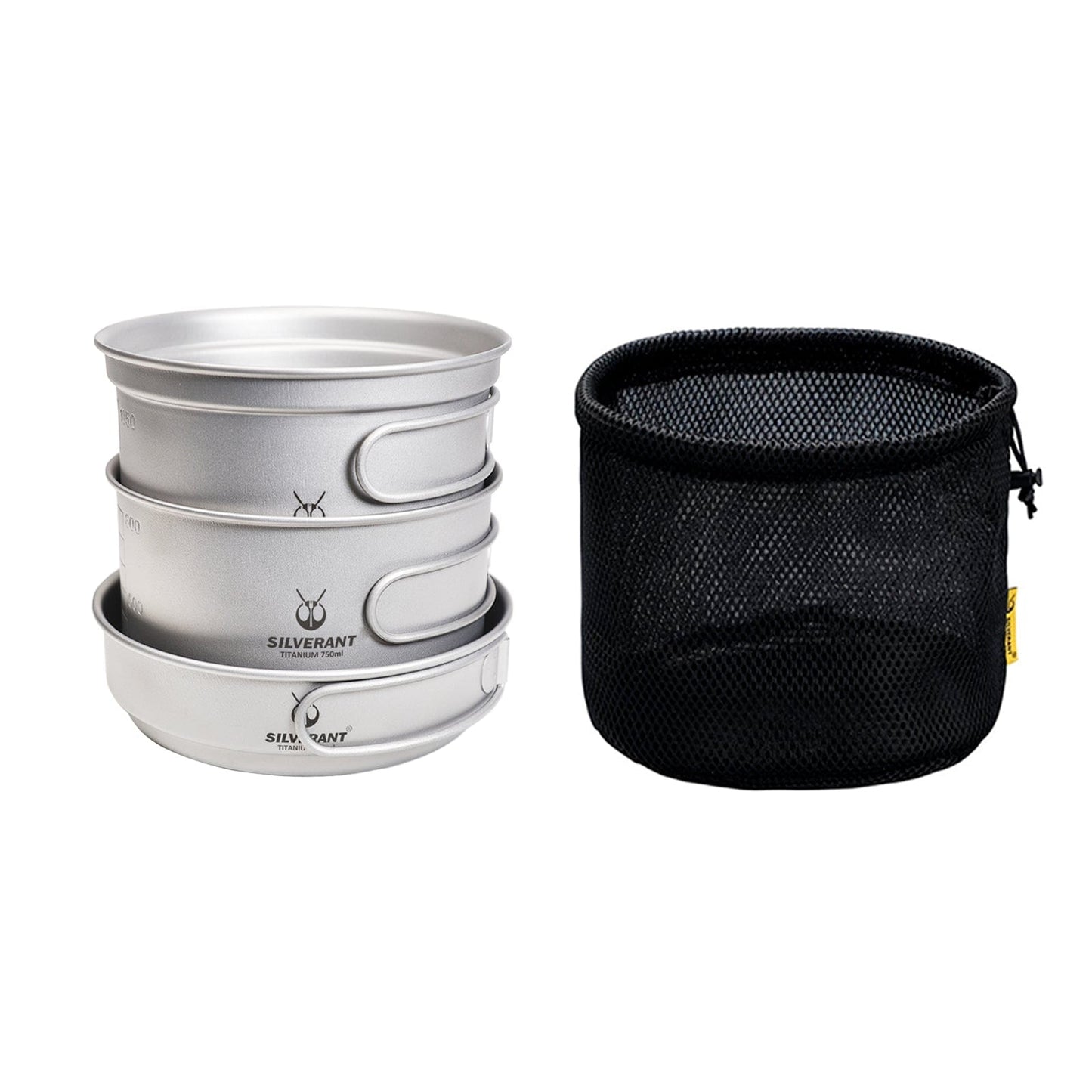
The case for titanium
Titanium cookware really shines when it comes to durability. It’s incredibly strong for its weight, making it resistant to punctures and general wear and tear. This is a huge benefit when you're tossing it in a pack and subjecting it to the rigors of trail life. Plus, titanium is completely non-reactive, meaning it won’t impart any metallic taste to your food or react with acidic ingredients like tomatoes.
However, titanium isn’t perfect. Its biggest drawback is its poor thermal conductivity. This means it takes longer to boil water and is prone to hotspots, potentially burning your food. You really need to manage your heat carefully when using titanium. Another consideration is the cost; titanium cookware is generally more expensive than comparable aluminum or stainless steel options. While incredibly strong, titanium can dent. It won’t shatter, but a good impact will leave a mark.
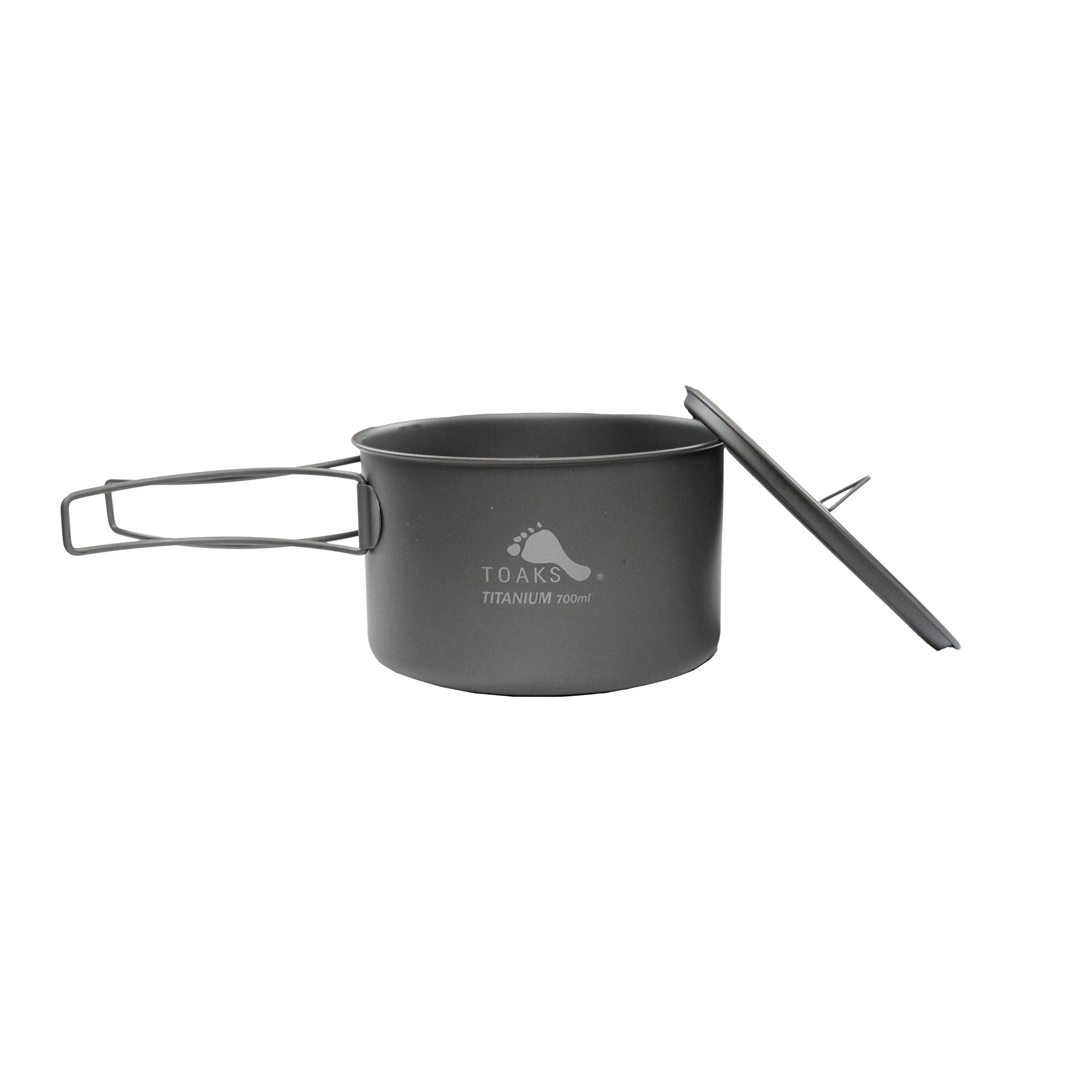
I've used the same titanium mug for five years and it’s barely scratched, though I’ve learned the hard way not to use an aluminum lid—the different expansion rates make them jam together when hot. A Toaks 750ml pot is the standard starting point here. It weighs 3.5 ounces and costs about $60, which is steep for a metal cup but worth it for the weight savings.
Ultimately, titanium is a solid choice for backpackers who prioritize durability and non-reactivity, and are willing to accept slower boil times and a higher price point. It’s a reliable material that, with a little care, will last for many adventures.
Carbon fiber: the new ultralight experiment
Carbon fiber cookware represents a newer approach to ultralight design. It’s incredibly lightweight – often lighter than comparable titanium options – and boasts impressive strength-to-weight ratios. The construction process is complex, involving layering carbon fibers and bonding them with resin, but the result is a pot that feels remarkably robust for its weight.
The potential for incredibly light cook sets is a major draw. However, carbon fiber’s strength isn’t uniform in all directions. It excels at resisting tension along the fiber direction, but it can be brittle and susceptible to cracking under impact. This is a key difference compared to titanium, which is strong in all directions. The manufacturing process itself is also more energy-intensive and can be more difficult to control, leading to potential variations in quality.
Another concern is the resin used to bind the carbon fibers. Some resins can break down at high temperatures, potentially leaching into your food. Reputable manufacturers use food-grade resins, but it’s still something to be aware of. Companies like Lixada are beginning to offer carbon fiber pots, typically around 2.8 ounces for a 750ml pot, priced around $50–$70. It’s still early days for carbon fiber cookware, and long-term durability data is limited.
I'm cautiously optimistic about carbon fiber. The weight savings are undeniable, but the potential for cracking and the uncertainty around resin stability give me pause. It’s a material to watch, but I wouldn’t recommend it for anyone who needs absolute bombproof reliability just yet.
Boil times and fuel efficiency
The poor thermal conductivity of titanium is its biggest performance drawback. In tests conducted by CleverHiker in 2026, a 750ml titanium pot took an average of 6 minutes and 30 seconds to boil 500ml of water, using a standard canister stove. A comparable carbon fiber pot took around 5 minutes and 45 seconds, a small but noticeable improvement.
That difference in boil time translates to increased fuel consumption. Because titanium doesn’t distribute heat efficiently, more fuel is required to reach boiling point. The same CleverHiker test showed that the titanium pot used approximately 10% more fuel than the carbon fiber pot for the same task. This might not seem like much on a single trip, but it adds up over multiple days or longer expeditions.
Pot shape and lid design also play a crucial role. A pot with a wider base and a tight-fitting lid will boil water faster and more efficiently, regardless of the material. Wind screens are essential for both titanium and carbon fiber cookware, as they help to shield the flame and reduce heat loss. The John Kelley video on YouTube (uploaded March 18, 2021) demonstrates how effective a simple wind screen can be.
While carbon fiber offers a slight advantage in boil times and fuel efficiency, the difference isn't massive. The key takeaway is that both materials require careful heat management and the use of appropriate accessories to maximize performance.
- A 750ml titanium pot boils 500ml of water in 6:30, using 10% more fuel than carbon alternatives.
- 750ml Carbon Fiber Pot: 5 minutes 45 seconds boil time, standard for comparison
Ultralight Titanium vs. Carbon Fiber Cookware: 2026 Backpacking Comparison
| Metric | Titanium Cookware | Carbon Fiber Cookware |
|---|---|---|
| Weight | Excellent (Generally lightest available) | Good (Competitive with titanium, but can vary) |
| Cost | Good (Mid-range price point) | Fair (Generally more expensive than titanium) |
| Durability - Impact Resistance | Good (Resistant, but can dent with significant impact) | Fair (More prone to damage from impacts) |
| Durability - Scratch Resistance | Excellent (Highly scratch resistant) | Good (Can scratch, but scratches are often less noticeable) |
| Heat Conductivity | Fair (Lower heat conductivity, slower heating) | Good (Better heat conductivity than titanium) |
| Boil Time (500ml water) | Good (Typically 3-7 minutes, dependent on stove) | Excellent (Typically 2-6 minutes, dependent on stove) |
| Fuel Efficiency | Good (Heat loss can require slightly more fuel) | Excellent (Retains heat well, potentially saving fuel) |
| Ease of Cleaning | Excellent (Non-stick properties and easy to wipe clean) | Good (Generally easy to clean, but can stain) |
Illustrative comparison based on the article research brief. Verify current pricing, limits, and product details in the official docs before relying on it.
Top Cookware Picks for 2026
The market for ultralight cookware is constantly evolving, but here are a few standout options for 2026. For titanium, the Toaks Titanium 750ml Pot ($60, 3.5oz) remains a popular choice, praised for its durability and simple design. The Snow Peak Titanium Trekking Cook Set ($150, 8.1oz) is a more comprehensive option, including a pot, lid, and mug.
On the carbon fiber side, the Lixada Carbon Fiber Pot ($65, 2.8oz) offers an incredibly lightweight solution for solo backpackers. It's a good entry point to test the material. For a more premium option, the Wildo Carbon Fiber Cookset ($180, 6.5oz) includes a pot, pan, and folding spork, providing a complete cooking system.
If you're looking for a balance of weight and versatility, the REI Co-op Flash 550 Titanium Pot ($50, 4.3oz) is a good all-around choice. It's lightweight, durable, and features a comfortable handle. Remember to factor in the cost of a separate lid and stove when building your cook kit.
Choosing the right cookware depends on your specific needs and budget. Consider the capacity, weight, features, and price of each option before making a decision. Don't forget to read reviews from other backpackers to get a sense of real-world performance.
- Toaks Titanium 750ml Pot: $60, 3.5oz, Durable, simple
- Snow Peak Titanium Trekking Cook Set: $150, 8.1oz, Complete set
- Lixada Carbon Fiber Pot: $65, 2.8oz, Incredibly lightweight
- Wildo Carbon Fiber Cookset: $180, 6.5oz, Premium, complete system
- REI Co-op Flash 550 Titanium Pot: $50, 4.3oz, Balanced weight and versatility
Cost Analysis: Is Lighter Worth More?
Ultralight cookware doesn’t come cheap. Titanium cookware typically costs $50–$200 per pot, while carbon fiber options can range from $60–$250 for a complete set. This is significantly more expensive than traditional aluminum or stainless steel cookware.
The question is whether the weight savings are worth the premium price. For serious backpackers who prioritize every ounce, the answer is often yes. But for casual hikers or weekend campers, the cost-benefit ratio might not be as compelling. Consider how frequently you’ll be using the cookware and how much weight you’re realistically saving.
Long-term value is also a factor. While carbon fiber might be lighter, its durability is still uncertain. A well-maintained titanium pot could easily last a lifetime, while a carbon fiber pot might need to be replaced after a few years of heavy use.
Ultralight Cookware Showdown: Titanium vs. Carbon Fiber for Backpackers

Ultralight titanium construction · 750ml capacity · Durable and corrosion-resistant
A simple, lightweight, and affordable titanium pot ideal for solo backpackers.

Featherlight titanium build · 900ml capacity · Integrated folding handles for compact storage
Offers a larger capacity than many ultralight pots while maintaining a minimal weight with user-friendly folding handles.

Ultralight titanium construction · Wood-burning design · Compact and packable hexagon shape
A durable and exceptionally lightweight titanium wood stove that burns efficiently, reducing the need to carry fuel.

4-piece stainless steel set · Stackable and portable design · Includes pot, pan, and plates
An economical and compact stainless steel set suitable for short trips or casual campers prioritizing affordability and space-saving.

304 stainless steel construction · Includes pot, pan, and kettle · Designed for 4-6 people
A robust and comprehensive stainless steel cookware set for group camping, offering durability and a complete cooking solution.
As an Amazon Associate I earn from qualifying purchases. Prices may vary.


No comments yet. Be the first to share your thoughts!