


The Real Tradeoffs: Titanium vs Carbon Fiber
Choosing between titanium and carbon fiber cookware isn’t about finding the perfect material; it’s about deciding which compromises you’re willing to make on the trail. Both options excel at shedding weight, but they behave differently when heat is applied. Understanding these mechanical differences helps you pick the tool that matches your cooking style rather than just the lightest pack weight.
Titanium is the champion of durability and safety. It is virtually indestructible and won’t react with acidic foods like tomatoes or citrus. However, titanium is a poor conductor of heat. You will experience significant hot spots, meaning food can burn in the center while the edges remain undercooked. It also requires more oil to prevent sticking, effectively negating its "naturally non-stick" marketing claims for anything beyond boiling water. For solo backpackers who primarily boil water for dehydrated meals, this inefficiency is a minor inconvenience.
Carbon fiber cookware, often paired with aluminum cores for heat distribution, offers a different experience. It heats up faster and more evenly than titanium, making it suitable for actual cooking rather than just hydration. The tradeoff is fragility. Carbon fiber can crack under impact or if dropped on hard rock. It also requires careful seasoning or coating maintenance to prevent food from sticking, similar to traditional cast iron but much lighter. If you plan to sauté vegetables or cook complex meals, the even heating of carbon fiber outweighs the risk of potential damage.
The decision ultimately hinges on your primary use case. If you are a minimalist backpacker prioritizing weight savings above all else, titanium’s durability justifies its heat distribution flaws. If you are a car camper or base-camp cook who values meal quality and cooking versatility, carbon fiber provides a better thermal performance despite being slightly more delicate.
| Feature | Titanium | Carbon Fiber | Best For |
|---|---|---|---|
| Weight | Lightest | Very Light | Titanium |
| Heat Conductivity | Poor (Hot Spots) | Good (Even Heating) | Carbon Fiber |
| Durability | Extremely High | Moderate (Fragile) | Titanium |
| Maintenance | Low (Easy Clean) | High (Seasoning) | Titanium |
| Cost | High | Moderate | Carbon Fiber |
Where each option wins
Choosing between titanium and carbon fiber cookware comes down to how you prioritize weight versus heat management. Neither material is universally superior; they excel in different environments and use cases. Understanding these tradeoffs helps you pick the right tool for your next trip.
Choose Titanium for Minimal Weight and Durability
Titanium is the go-to choice when every ounce counts. It is lighter than carbon fiber and virtually indestructible. If you are hiking long distances where pack weight is critical, titanium’s strength-to-weight ratio makes it the clear winner. It also handles rough handling better, resisting dents and warping that might affect other materials.
However, titanium conducts heat poorly. This means you need to be more careful with heat settings to avoid hot spots. It is ideal for boiling water quickly or simple meals where precise temperature control isn't the main goal. The convenience of not worrying about seasoning or rust makes it a low-maintenance option for solo backpackers.
Choose Carbon Fiber for Even Heating and Cooking Performance
Carbon fiber cookware shines when cooking performance matters more than saving a few grams. It heats up quickly and distributes heat more evenly than titanium, reducing the risk of burning food. This makes it better for sautéing, frying, or preparing meals that require consistent temperatures.
While slightly heavier than titanium, carbon fiber is still significantly lighter than traditional stainless steel or cast iron. It offers a middle ground for car campers or base camp cooks who want lightweight gear without sacrificing the ability to cook complex meals. The smoother cooking surface also makes it easier to clean compared to seasoned carbon steel.
Quick Comparison
| Feature | Titanium | Carbon Fiber |
|---|---|---|
| Weight | Ultra-light | Very light |
| Heat Distribution | Poor (hot spots) | Good (even heating) |
| Durability | High (dent-resistant) | Moderate (can crack if dropped) |
| Best For | Long-distance hiking | Car camping, base camp |
Real-World Feedback
Backcountry enthusiasts often debate these materials based on actual use. A discussion on r/Bushcraft highlights that while carbon steel offers better heat retention and even cooking, titanium remains preferred for its safety and convenience in harsh conditions. This aligns with the general consensus: choose titanium for survival and weight, and carbon fiber for culinary quality.
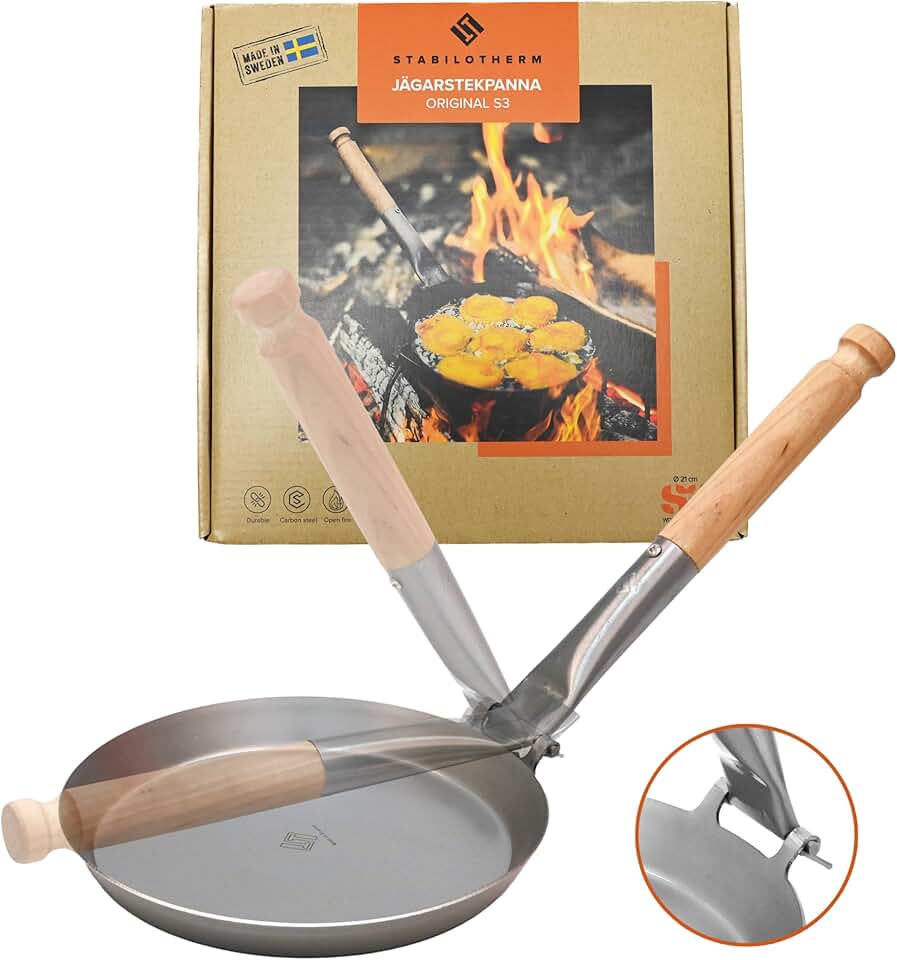
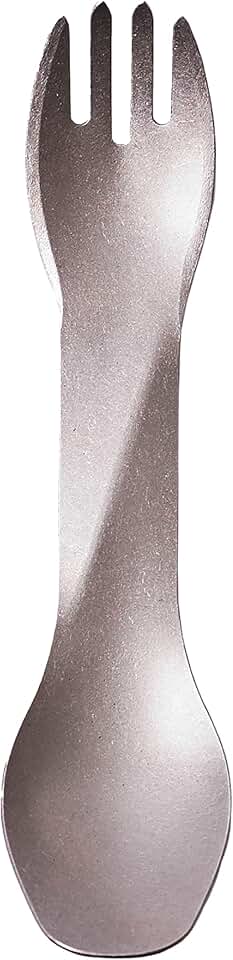
As an Amazon Associate, we may earn from qualifying purchases.
What to double-check
Use this section to make the Ultralight Titanium vs Carbon Fiber Cookware decision easier to compare in real life, not just on paper. Start with the reader's actual constraint, then separate must-have requirements from details that are merely nice to have. A practical choice should survive normal use, maintenance, timing, and budget. If a recommendation only works in an ideal situation, call that out plainly and give the reader a fallback path.
-
Verify the basicsConfirm the core specs, condition, and fit before comparing extras.
-
Price the downsideLook for the repair, maintenance, or replacement cost that would change the decision.
-
Compare alternativesCheck at least two comparable options before treating one listing as the benchmark.
Common questions
Choosing between ultralight titanium and carbon fiber cookware often comes down to a few practical tradeoffs. Here are the most common questions hikers and backpackers ask before making a purchase.
The decision ultimately hinges on your specific needs. If you are shaving ounces off your pack for a long-distance trek, titanium is the clear winner. If you are car camping and want better heat distribution for actual cooking, carbon fiber or steel might serve you better.
No comments yet. Be the first to share your thoughts!